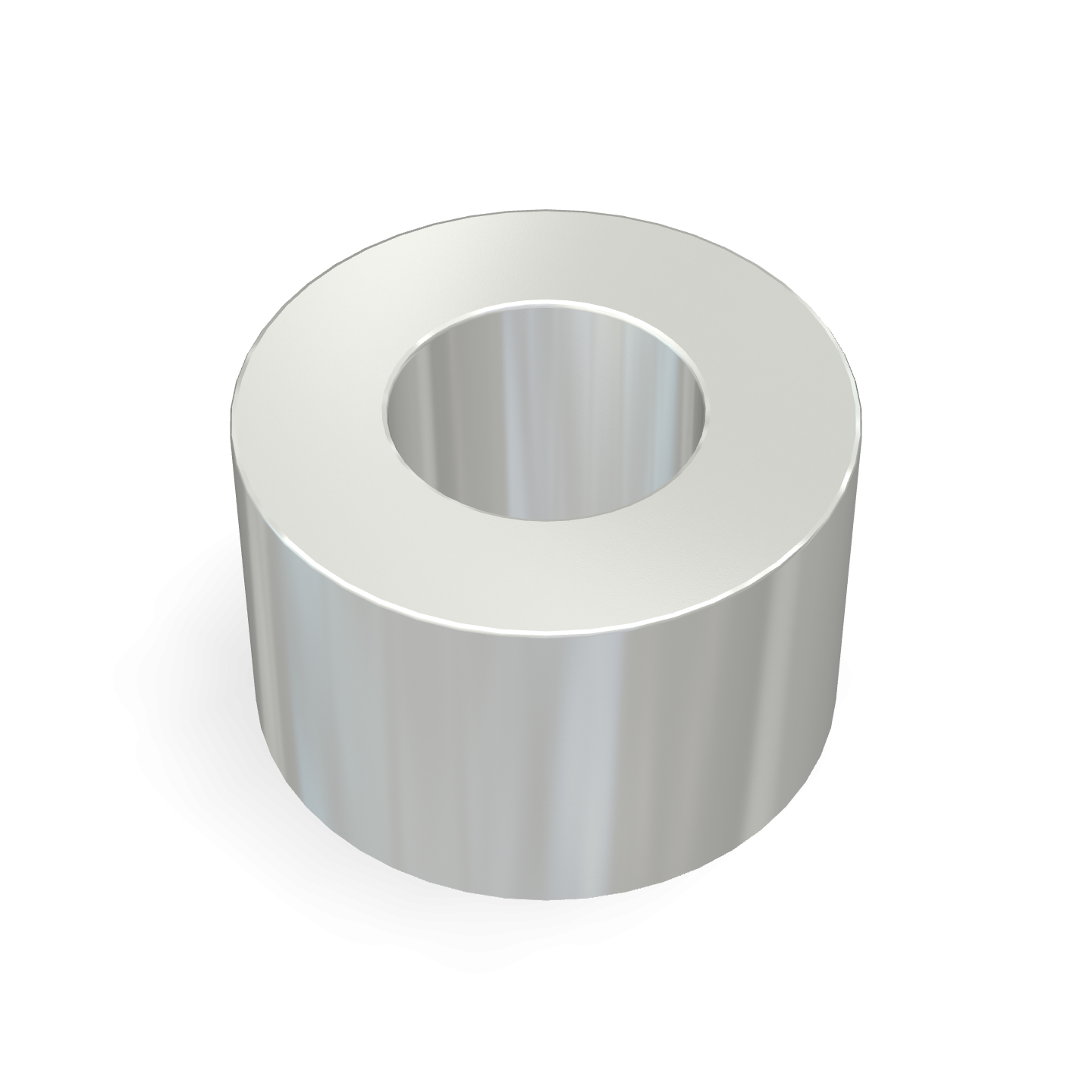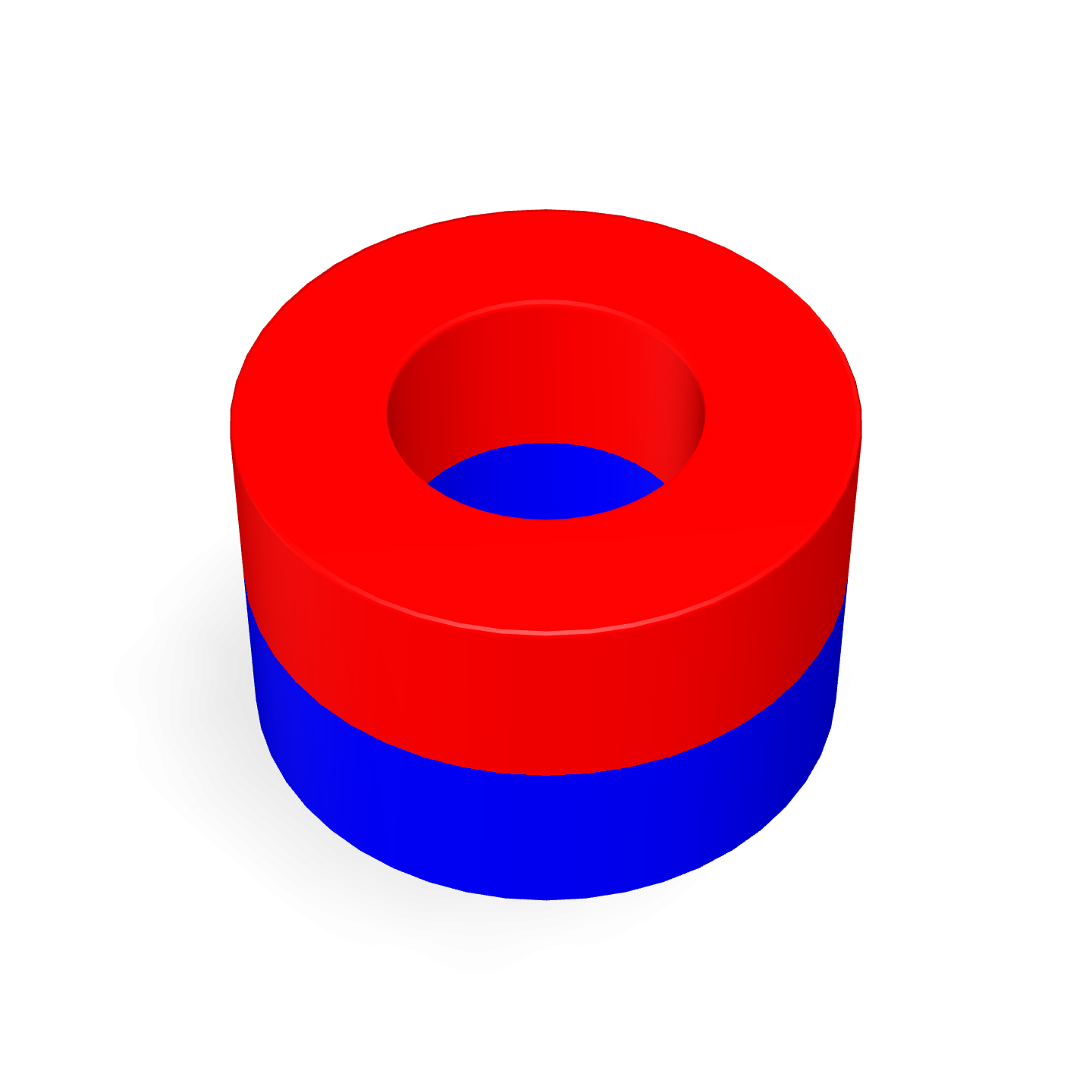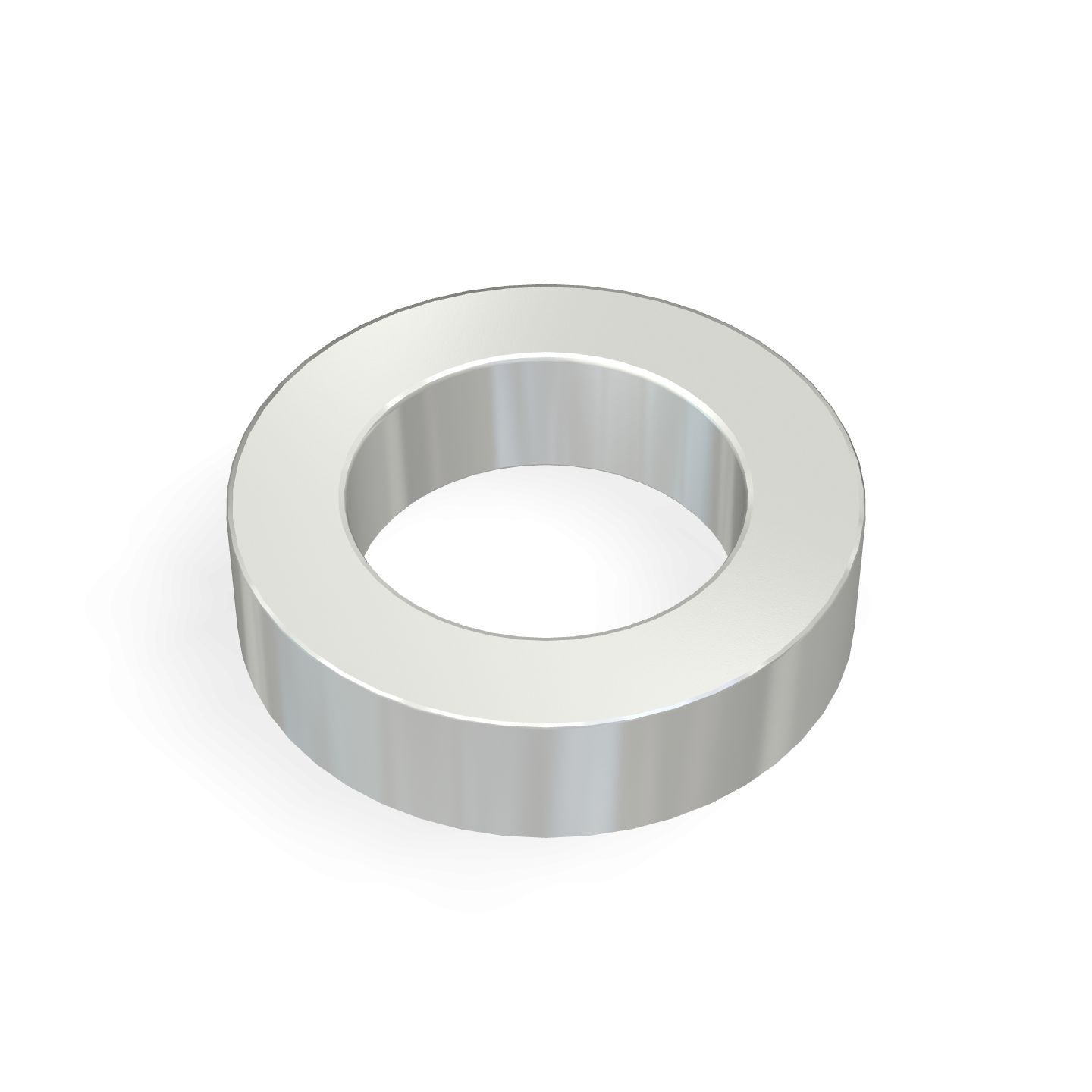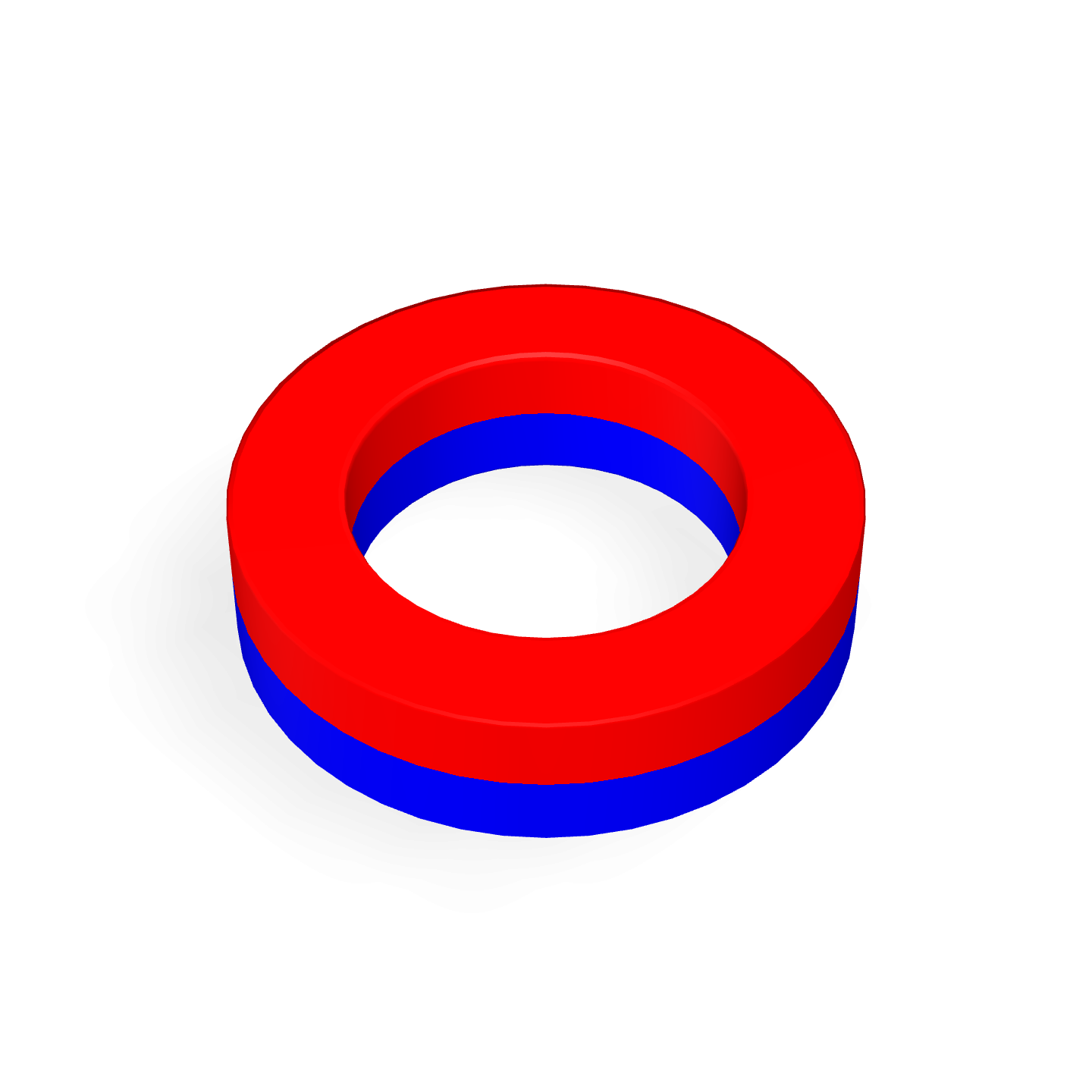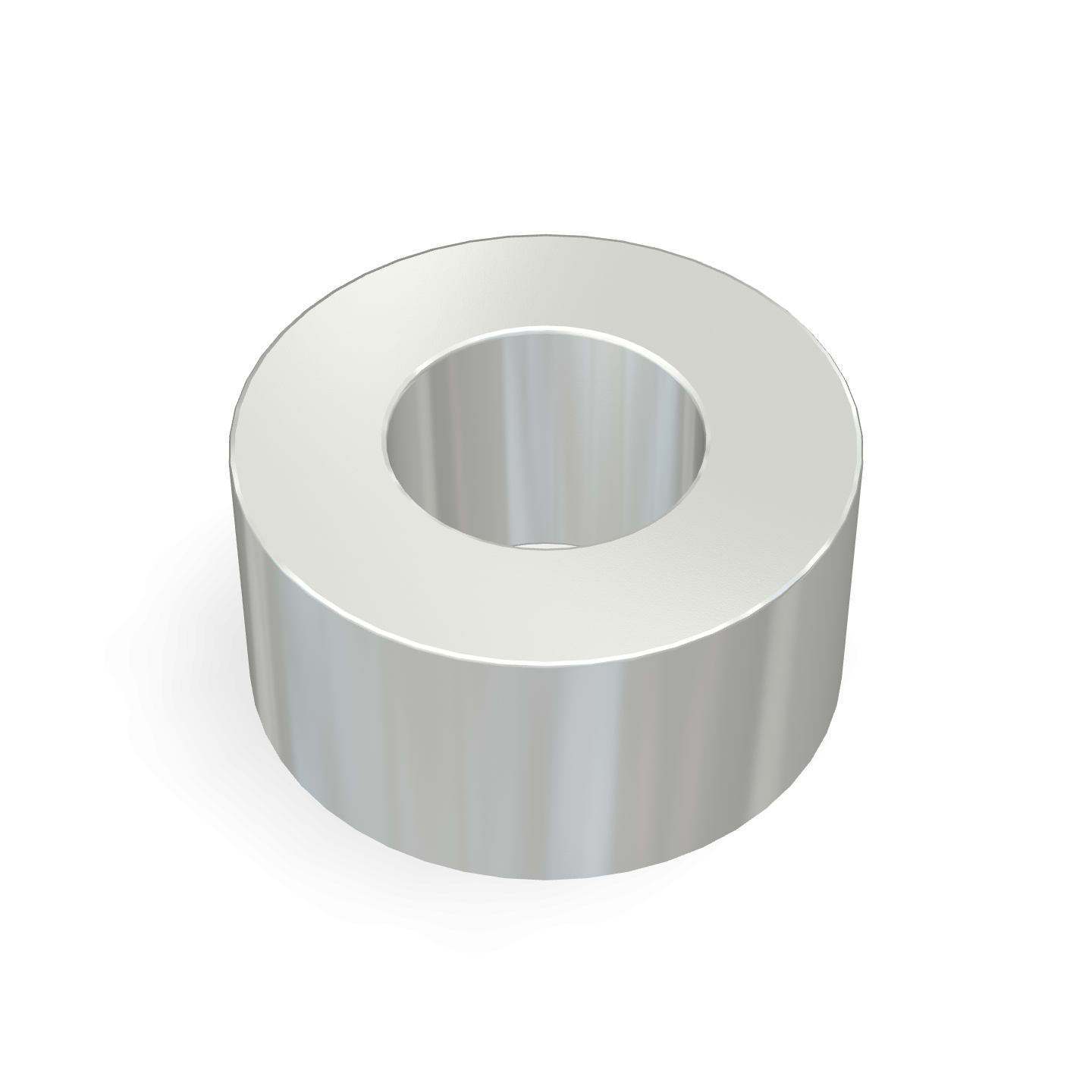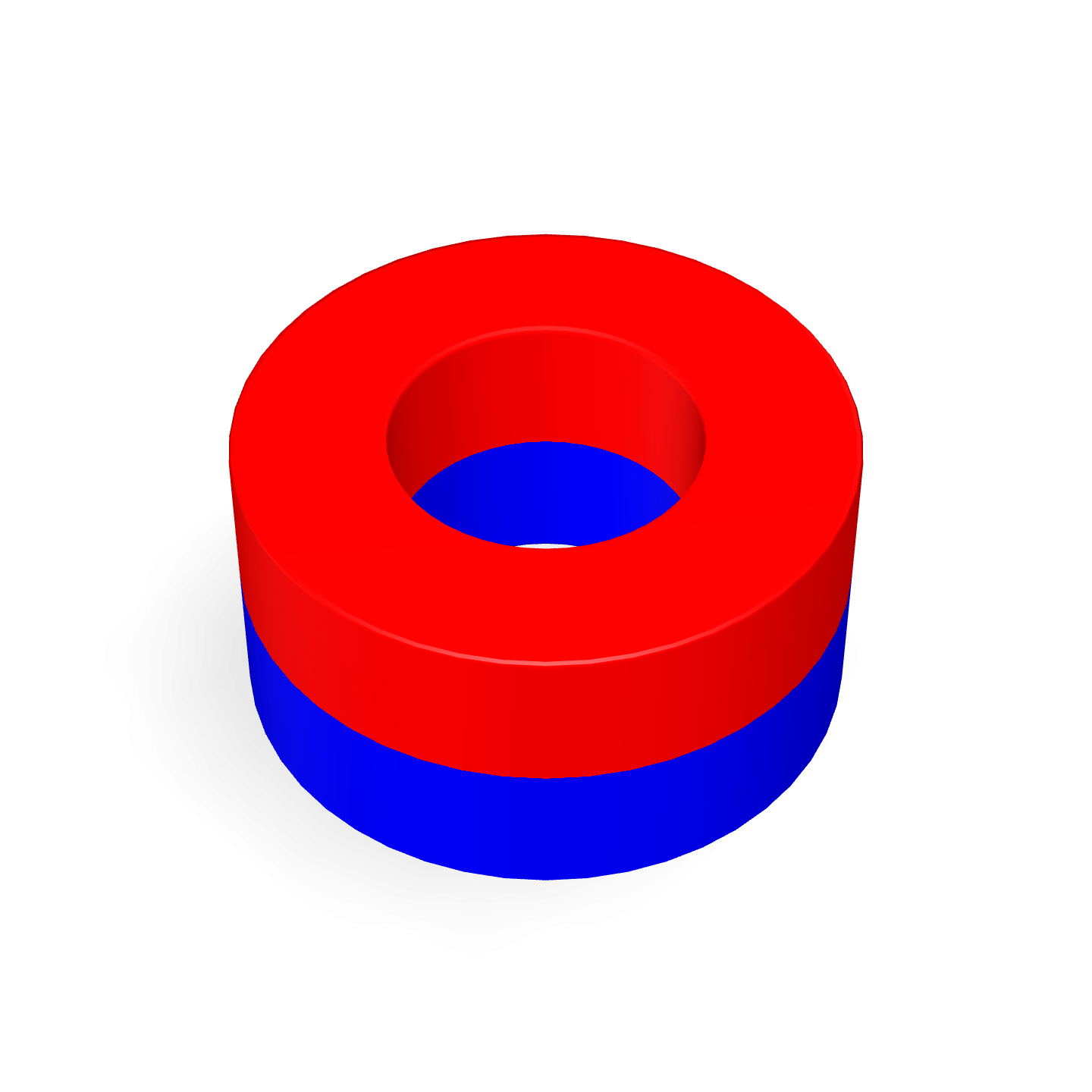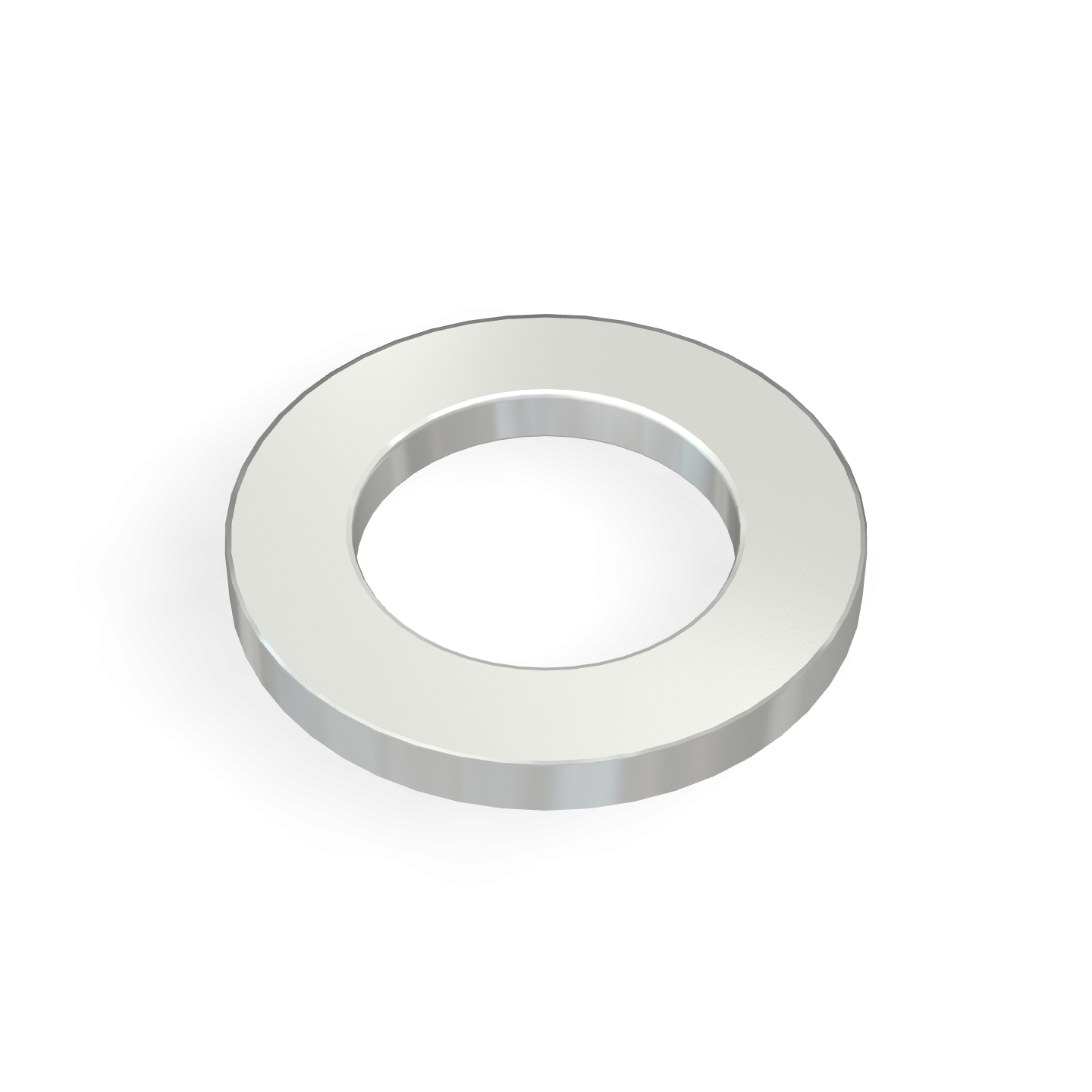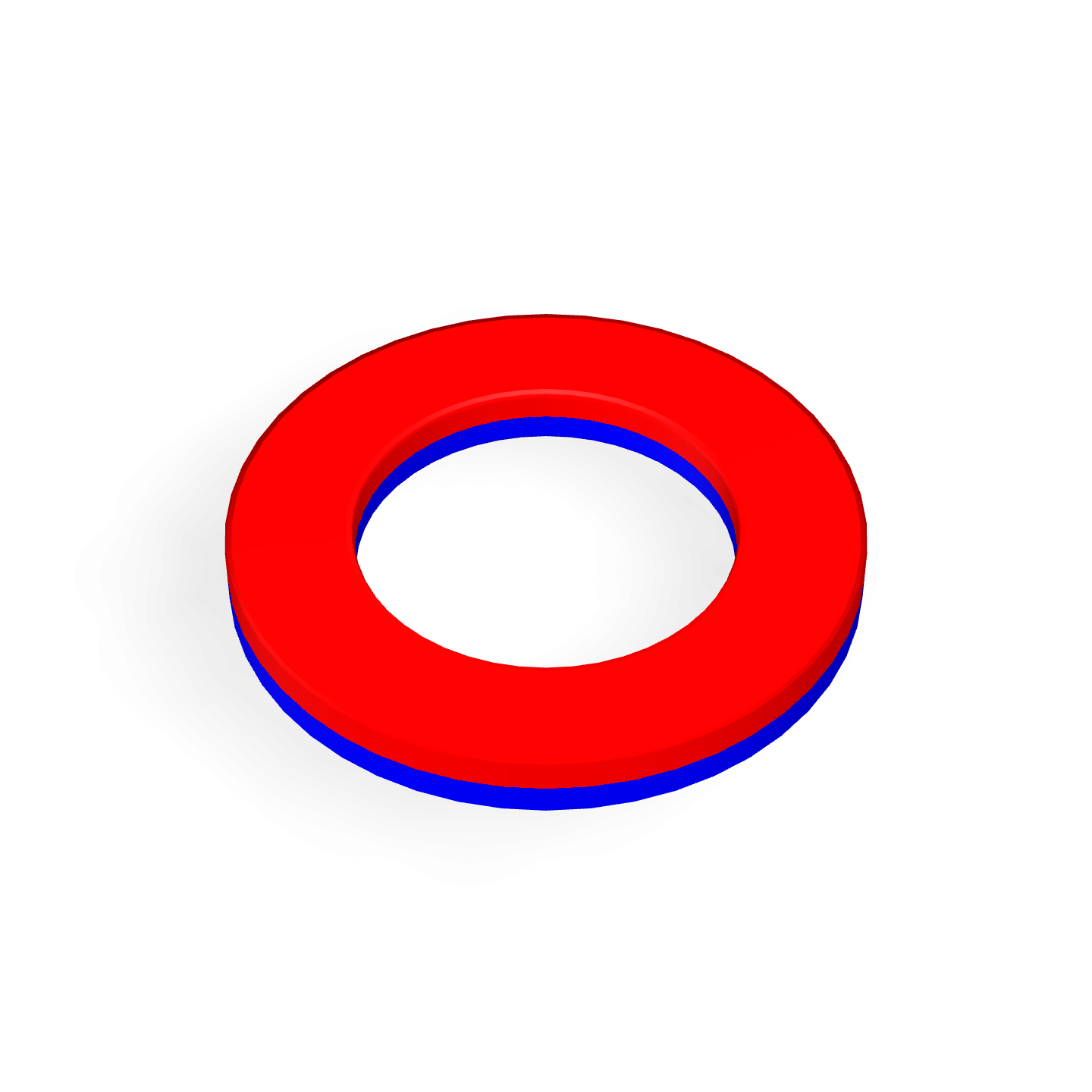
Neodymium Magnets for Prototyping in Canada (What Actually Slows Teams Down)
- Prototype delays usually come from lead time, not magnet complexity.
- Most teams only need small batches, not production volumes.
- N52 is often specified by default, but it is not always necessary once geometry is adjusted.
- Fit issues are more common than strength issues during early builds.
- Local sourcing mostly helps because you can iterate without restarting procurement every time.
If you are working on hardware in Canada right now, especially anything involving actuators, sensors, or mechanical latching, you probably already ran into this.
The magnet itself is rarely the hard part. The problem is you only find out it is wrong after everything else is already built around it.
Then you reorder, wait again, and adjust the CAD slightly for the next round.
Where prototyping usually breaks down
From what we have seen, most prototype issues fall into a few predictable categories.
1. Grade is chosen too early
A lot of designs start with N52 because it sounds safer. In reality, most assemblies do not need it. You end up compensating with geometry later anyway.
2. Housing fit is not fully tested
Even a small mismatch in pocket depth or diameter changes everything. Once the magnet is glued in, there is no easy correction.
3. Orientation is fixed too late
People assume pull direction is obvious. It is not. We still see revisions at the tooling stage because of this.
What prototyping actually needs
The requirement is not complicated. You just need fast access to small batches that match the design closely enough to test properly.
Once you stretch that into multi-week cycles, development slows down immediately. Engineers stop iterating and start avoiding changes.
Why overseas sourcing slows prototyping down
Most magnet supply chains are not set up for iteration. They are set up for repeat orders.
That works fine once the design is locked. It does not work when you are still adjusting tolerances, adhesives, or mounting depth.
Minimum order quantities are usually the real blocker. Even when suppliers are technically flexible, shipping small batches is not what their process is optimized for.
What changes when you prototype locally
The biggest difference is not cost. It is feedback speed.
If a magnet does not fit, you fix the drawing and move on. You are not waiting for another full procurement cycle to confirm the change.
Local sourcing mainly helps because it keeps iteration inside the design loop instead of outside it.
Common prototyping applications
- Magnetic latches for enclosures
- Sensor positioning fixtures
- Robot end-effector tooling
- Quick assembly jigs
- Temporary test fixtures
Most of these are not high-volume parts. They are just things you need to test the rest of the system.
Production vs prototype thinking
A lot of problems come from mixing the two too early.
In prototyping, you are still learning what the part should be. In production, you are trying to make it stable and repeatable.
When you treat prototype magnets like production magnets too early, you lose flexibility. When you treat production like prototyping, you lose consistency.
Prototype fast first. Lock geometry later. Do not optimize cost until the design stops changing.
How we usually work with engineering teams
Most of the time it starts with a drawing that is not fully finalized yet. That is normal.
We look at the geometry, suggest a grade if needed, and then adjust dimensions so the first batch is close enough to test properly.
After that, it usually takes one or two iterations before everything stabilizes.
Need prototype magnets in Canada?
Small batches, custom sizes, or early-stage designs. We can usually work from incomplete drawings if needed.
Contact Magfine