Magnets and the World Cup: What’s Actually Powering FIFA 2026 in Toronto
- Toronto Stadium at Exhibition Place hosts six FIFA World Cup 2026™ group-stage matches. Canada’s Men’s National Team plays their first-ever home World Cup fixture on June 12, 2026.
- Neodymium-iron-boron (NdFeB) magnets are the core component in VAR servo systems, LED scoreboard cooling fans, access control gate motors, broadcast camera stabilization rigs, PA speaker drivers, and stadium HVAC, virtually every electromechanical system in a modern venue runs on them.
- Magnetic souvenirs — fridge magnets, keychains, magnetic display pieces — are among the highest-volume impulse purchases at World Cup host cities. GTA retailers and suppliers have a narrow window to stock and position inventory.
- The FIFA Fan Festival™ at Fort York runs for the full Toronto match schedule and draws foot traffic rivalling the stadium itself. Temporary magnetic mounting systems are widely used throughout the site for signage and vendor fixtures.
- Magfine Corporation stocks over 5,000 neodymium magnet configurations. Standard orders ship within 1–2 business days. Custom production runs from two to six weeks. Free Ontario shipping on orders over $100 CAD.
Most people attending a World Cup match will never think about the technology operating behind the scenes—and that's usually a sign that it's doing its job well.
When fans walk through the gates at Exhibition Place in June, they'll be focused on the match, not the equipment. But from access-control systems and broadcast cameras to digital displays and speaker arrays, a surprising amount of the infrastructure depends on magnetic components.
As a supplier of neodymium magnets in the Greater Toronto Area, we've been watching tournament-related demand build for months. Some of it is tied directly to event infrastructure. Much of it comes from local businesses preparing for the increase in visitors, temporary installations, promotional displays, and souvenir sales that accompany an event of this scale.
The World Cup itself may last only a few weeks, but the planning, manufacturing, and procurement activity behind it starts much earlier.
Toronto, June 2026: What’s on the Ground
The 2026 FIFA World Cup™ is split across 16 cities in Canada, the United States, and Mexico. Toronto’s allocation is six group-stage matches at Toronto Stadium, the renamed facility at Exhibition Place on the Lake Ontario waterfront. The venue was expanded from its previous configuration to 45,736 seats to meet FIFA’s minimum capacity thresholds for host cities in the expanded 48-team tournament format.
Canada’s Men’s National Team plays their opening group match at home on June 12 — the first time in the history of the men’s tournament that Canada has hosted a match they’re actually playing in. The surrounding commercial activity has been building for months: hotel rates along the waterfront corridor moved early, transit planning around Exhibition Place has been in motion since last fall, and temporary retail and food vendor permitting has created a wave of new businesses setting up along the pedestrian approach routes.
The FIFA Fan Festival™ runs separately at Fort York, the historic garrison site at the western edge of Toronto’s downtown waterfront. Access is free. The draw is large-format screens, food vendors, sponsor activations, and match programming running through the tournament calendar. At previous World Cups, Fan Festival sites have consistently drawn daily attendance figures that rival or exceed the stadium for the same match day. It pulls a different crowd than ticket holders, tourists, families, people who couldn’t get stadium access, and it anchors a secondary commercial corridor through King West and Bathurst.
The 48-team format matters beyond the extra matches. More teams means more national fan bases in Toronto, including countries qualifying for the first time. The visitor demographic is broader and more varied than a bilateral sporting event would produce, and that spreads commercial impact across a wider range of product categories and neighbourhood corridors.
Neodymium Magnets: The Material Behind the Equipment
Neodymium-iron-boron magnets, the formal designation for what most people call neodymium or rare-earth magnets, are the strongest class of permanent magnet in commercial production. They were developed jointly by General Motors and Sumitomo Special Metals in the early 1980s and became the standard material for any application requiring high magnetic flux density in a compact form factor.
The core advantage is energy density. A neodymium magnet at a given volume produces significantly more magnetic field strength than a ceramic or ferrite magnet of the same physical size. For electric motors, that difference translates to more torque from a smaller package, faster response, and reduced operating temperature. For sensors and actuators, it means more reliable signal generation with less power consumption. For holding and mounting applications, it means more pull force per gram of magnet material.
Neodymium magnets are graded by their maximum energy product — N35 through N52 are the standard commercial range, with higher numbers indicating greater magnetic output. Temperature resistance is a separate specification: standard grades begin losing field strength above 80°C, which is why equipment running near heat sources specifies temperature-rated variants. The SH suffix indicates stability to 150°C, UH to 180°C, and EH to 200°C. Specifying a standard-grade magnet into a high-heat environment is one of the most common and avoidable failures in magnet procurement.
This combination of output, size efficiency, and available temperature variants is why neodymium ended up as the default in virtually every electromechanical system designed in the last three decades. Stadium infrastructure is no different, and the specific applications are less obvious than most people assume.
Where Magnets Are Working Inside Toronto Stadium
A venue running at full FIFA capacity is operating dozens of interdependent electromechanical systems at the same time, across the full duration of a match day. The following are the highest-density neodymium magnet applications in a venue of this type, based on standard infrastructure specifications for large-format sports facilities.
Grade Selection: Why Not All Neodymium Magnets Are the Same
The grade designation on a neodymium magnet — N35, N42, N52, and the temperature-rated suffixes like SH, UH, or EH — determines both the maximum energy product the magnet can produce and the temperature range over which it holds that output without permanent demagnetization.
- Maximum continuous operating temperature: 80°C
- Highest energy product at grade — N52 is the current commercial ceiling
- Used in consumer electronics, signage mounting, souvenir magnets, low-heat motor applications
- Widest stock availability; lowest cost per unit
- Partially demagnetizes at sustained temperatures above 80°C — not recoverable without remagnetization
- Operating range: 150°C (SH), 180°C (UH), 200°C (EH)
- Slightly lower maximum energy product vs. same-number standard grade — the thermal stability trade-off
- Specified for HVAC motors, generator alternators, lighting rigs, broadcast equipment bays
- Higher per-unit cost; longer lead times for less common grade combinations
- Required for any application near continuously operating heat-generating equipment
For souvenir products and display mounting, the applications most relevant to GTA retailers during the tournament, standard N35 to N42 grades cover the vast majority of requirements. For anything going into or near operating equipment, grade selection needs to account for the thermal environment first. If you’re not certain which grade applies to your application, Magfine’s technical team can advise based on a brief description of what the magnet needs to do and the environment it’ll be operating in.
The Souvenir Market: Why Magnetic Products Sell at Major Tournaments
Host city fridge magnets have been a consistent high-volume product at FIFA World Cup venues since the late 1990s. The reasons are practical: the unit cost is low, the product is lightweight and easy to carry through an airport, and it has indefinite display life in the home. A tournament shirt gets worn occasionally. A scarf ends up in storage. A fridge magnet stays visible for years, which is part of why buyers across many cultures gravitate toward them as a purchase that will actually get used.
For 2026, the 48-team format means a broader range of national fan bases arriving in Toronto, including countries that have never qualified before and that bring different buying behaviours with them. Some travel with specific gifting intentions, buying multiple pieces to bring home for family members. Others are impulse buyers at the venue or the Fan Festival. Product variety captures more of both: different sizes, substrate types, and design formats serve different purchase occasions at different price points.
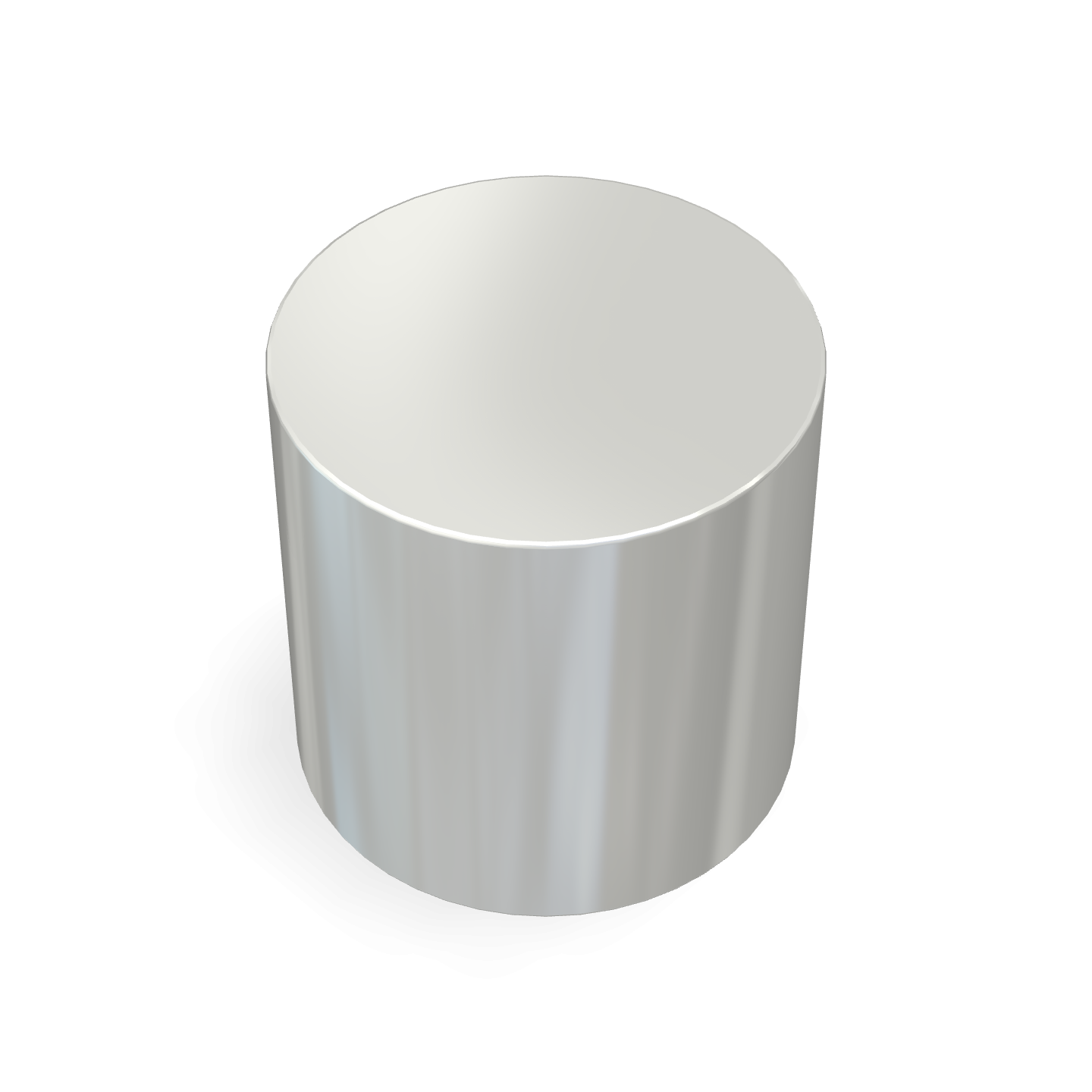
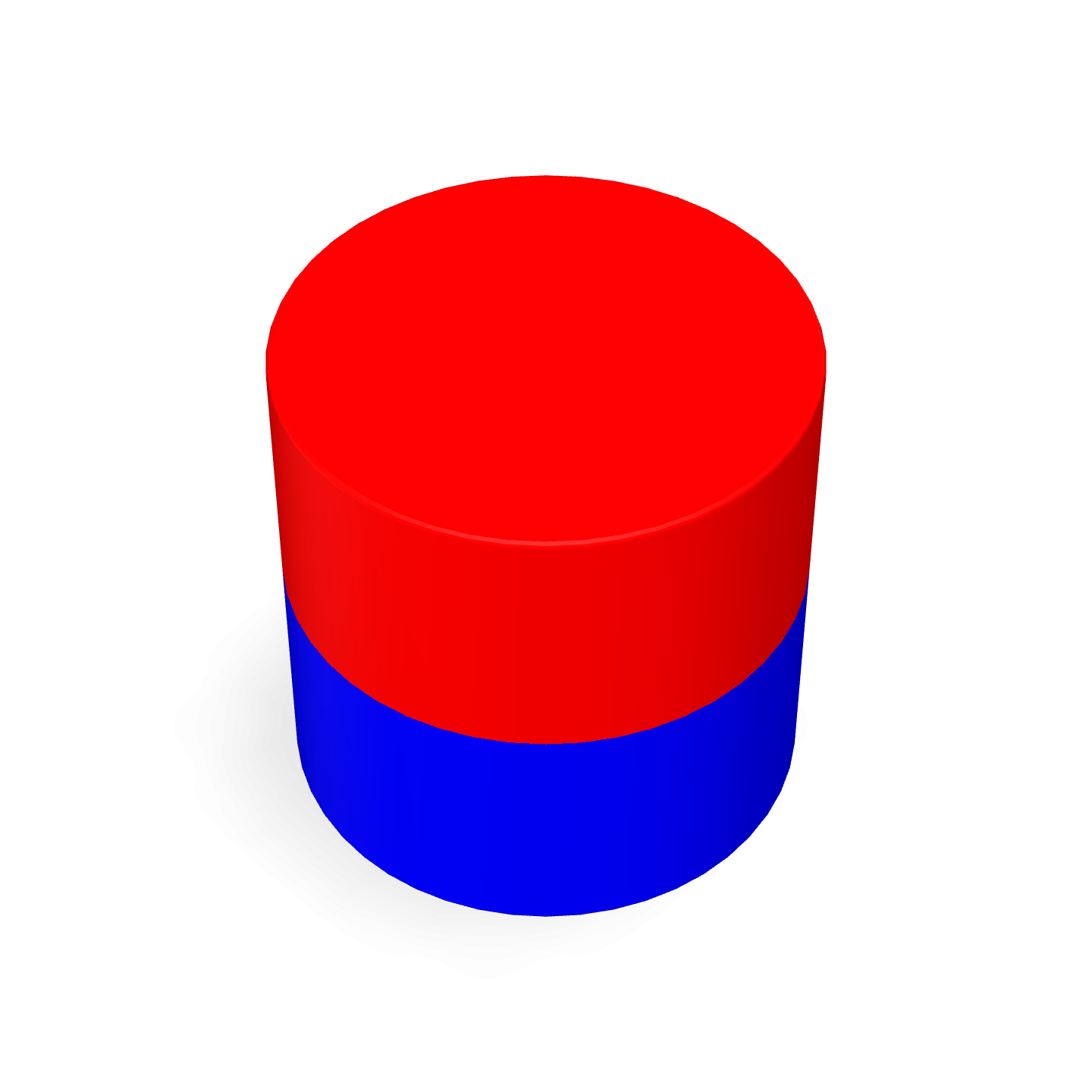
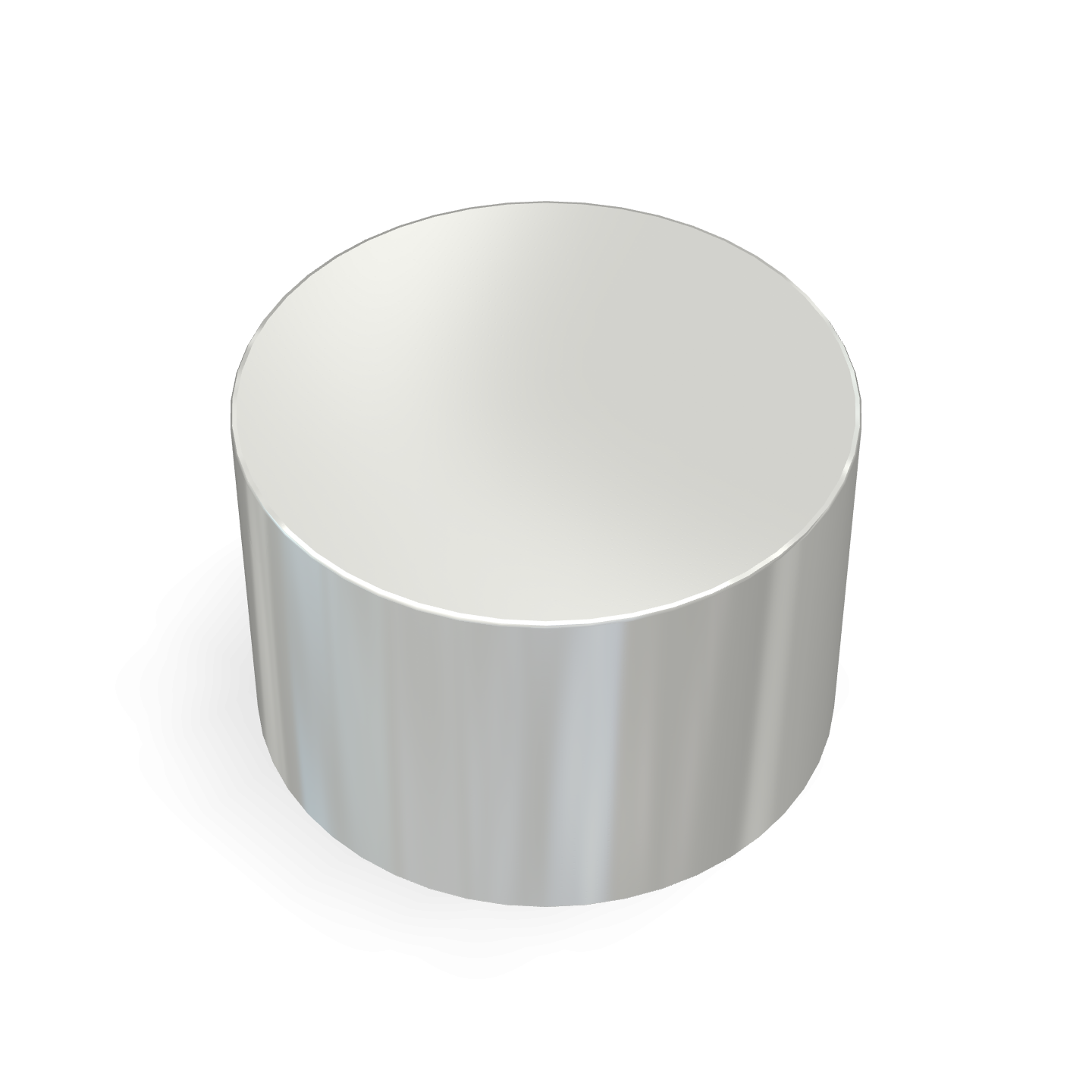
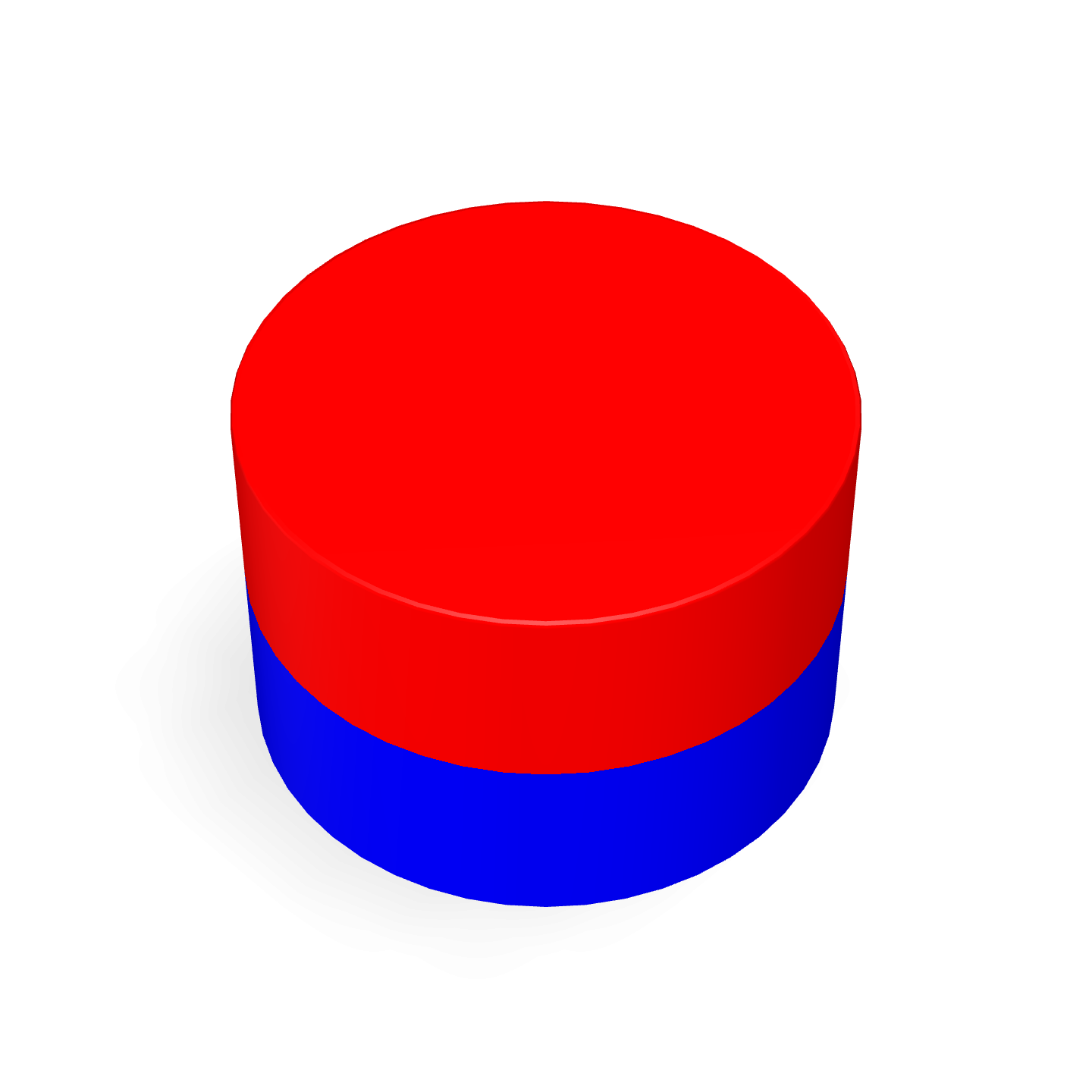
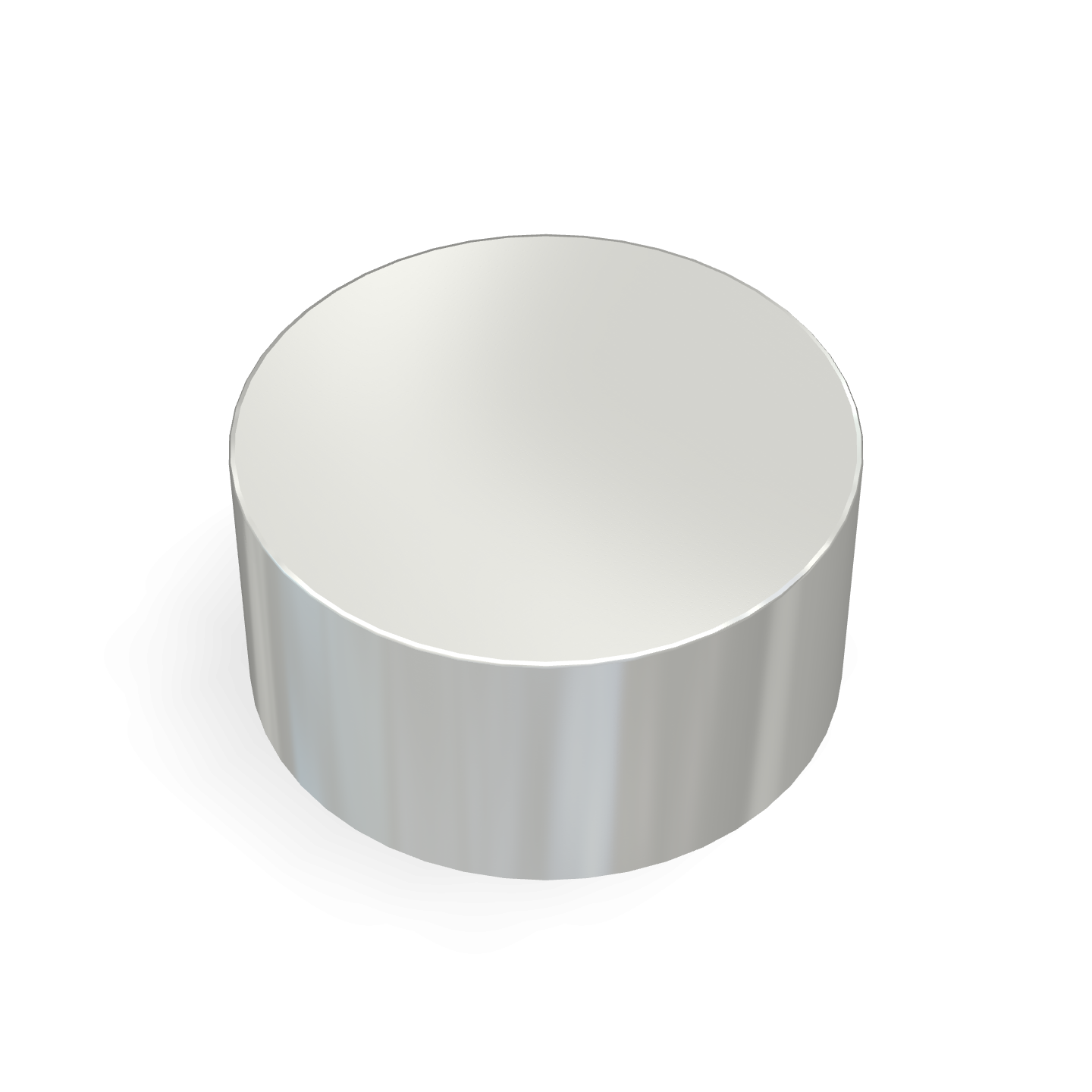
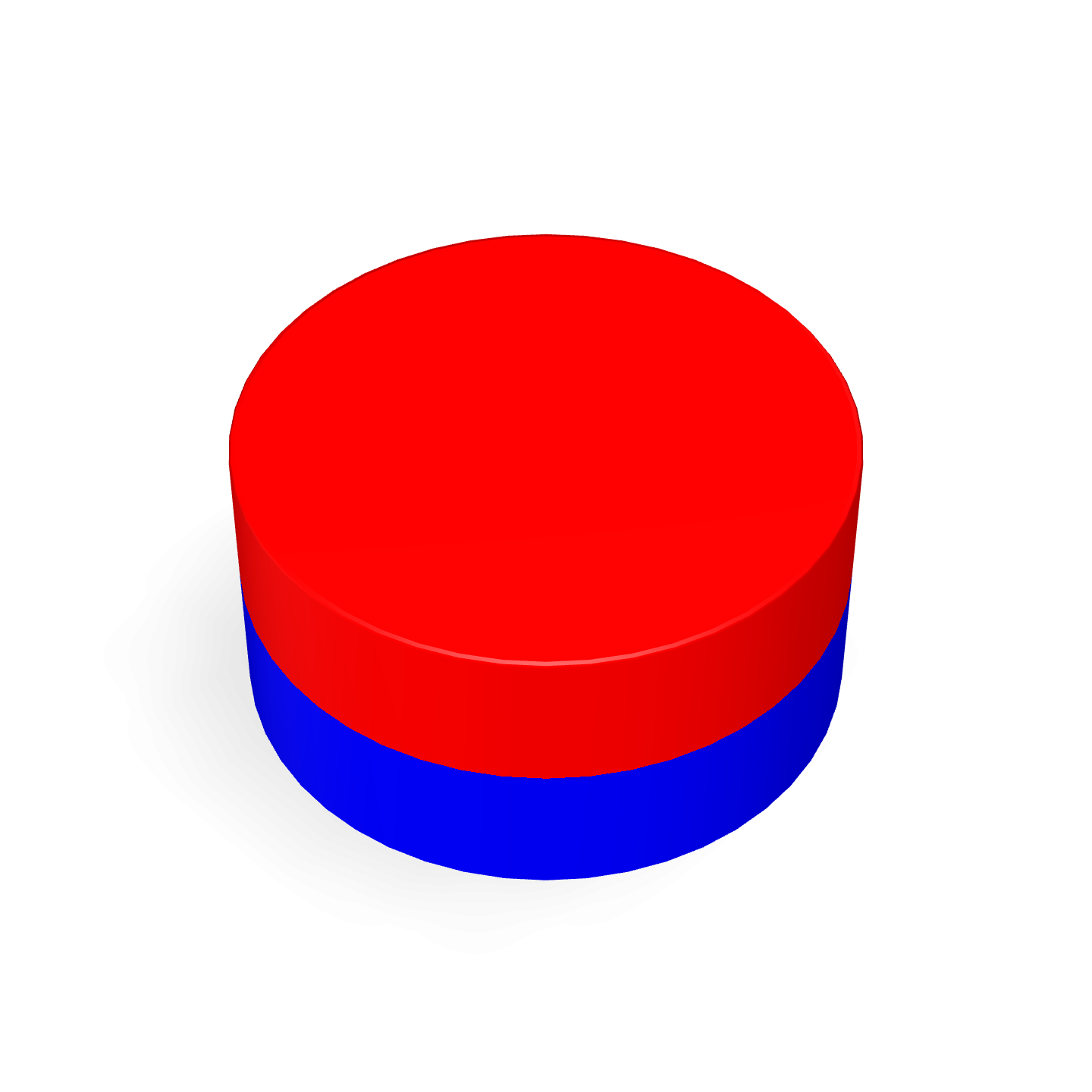
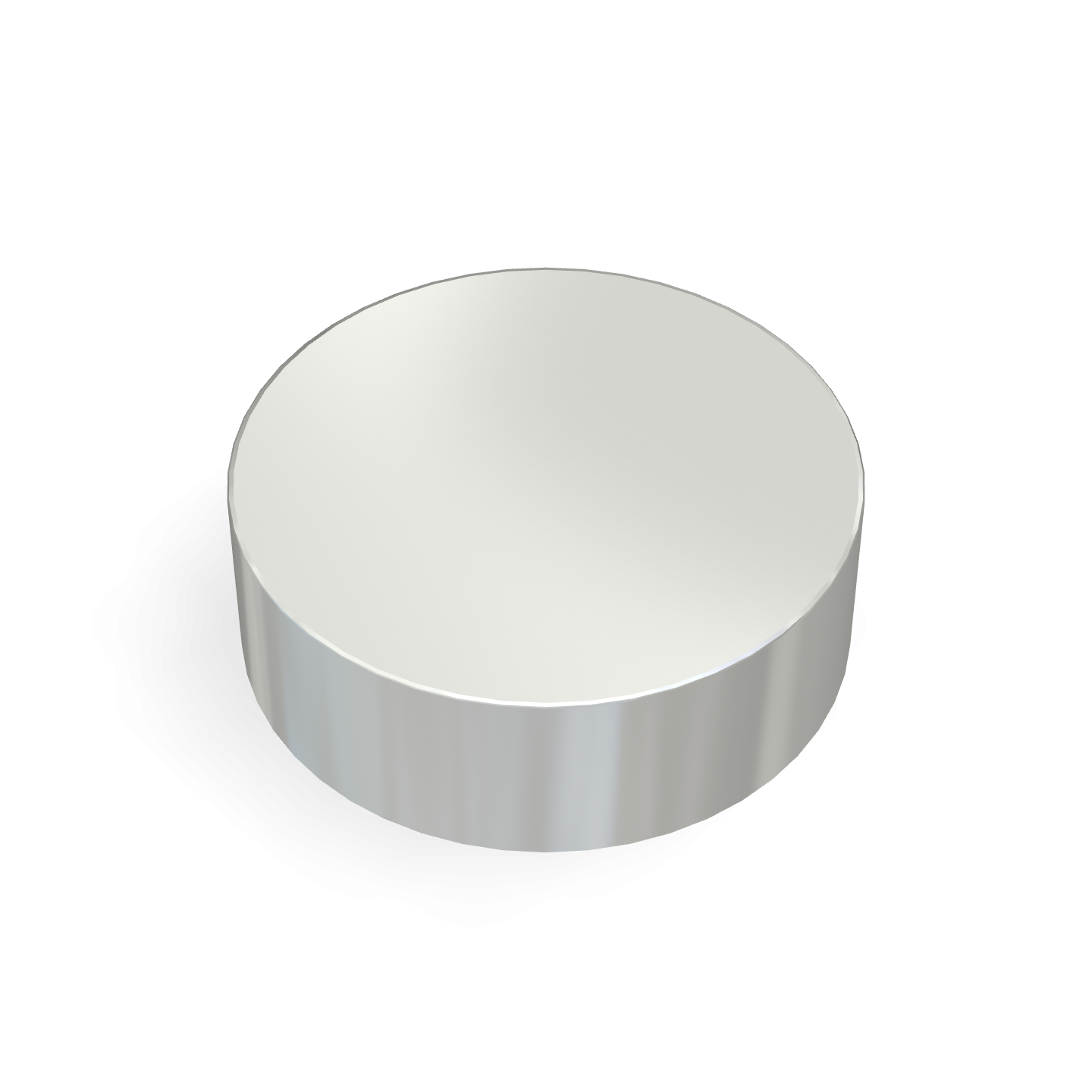
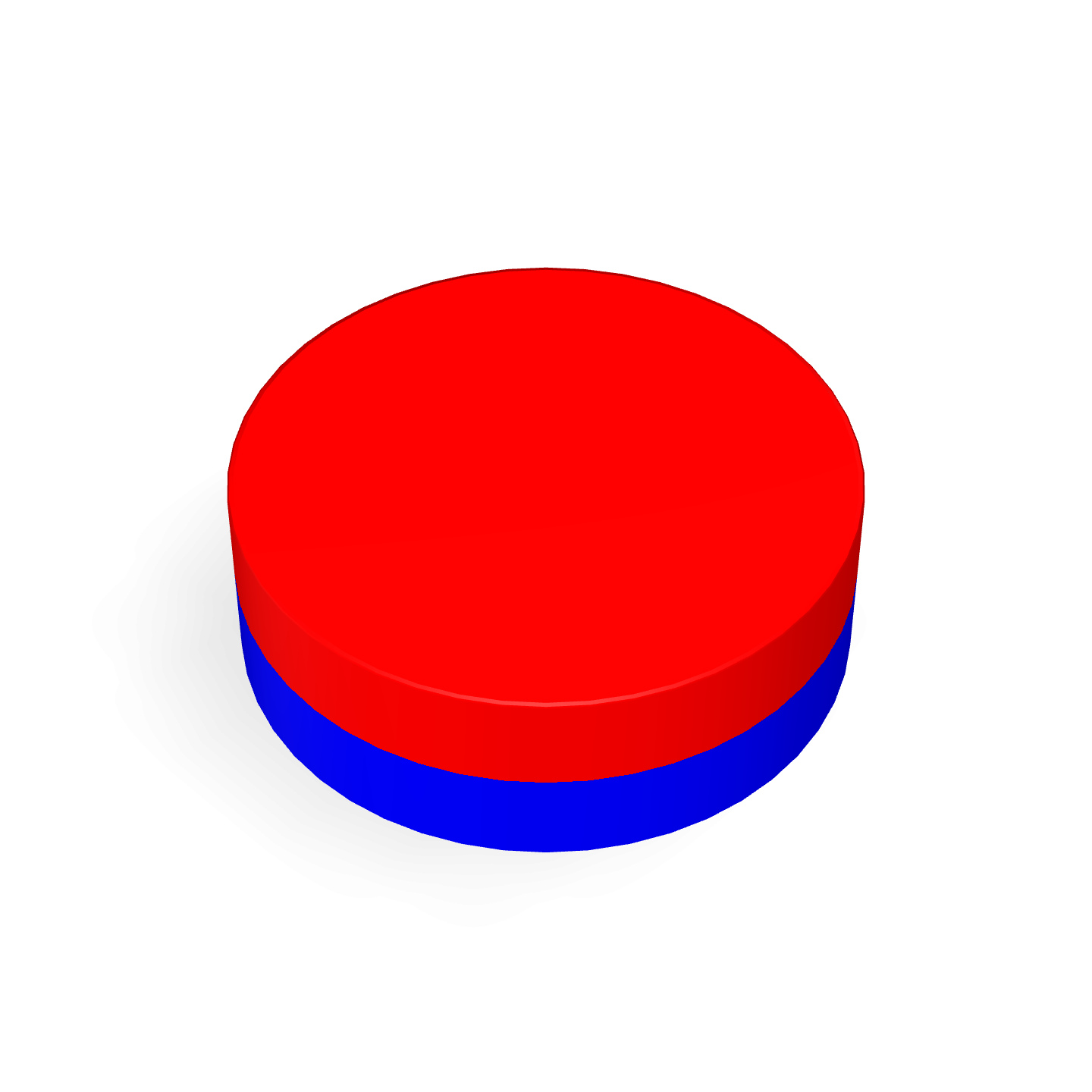
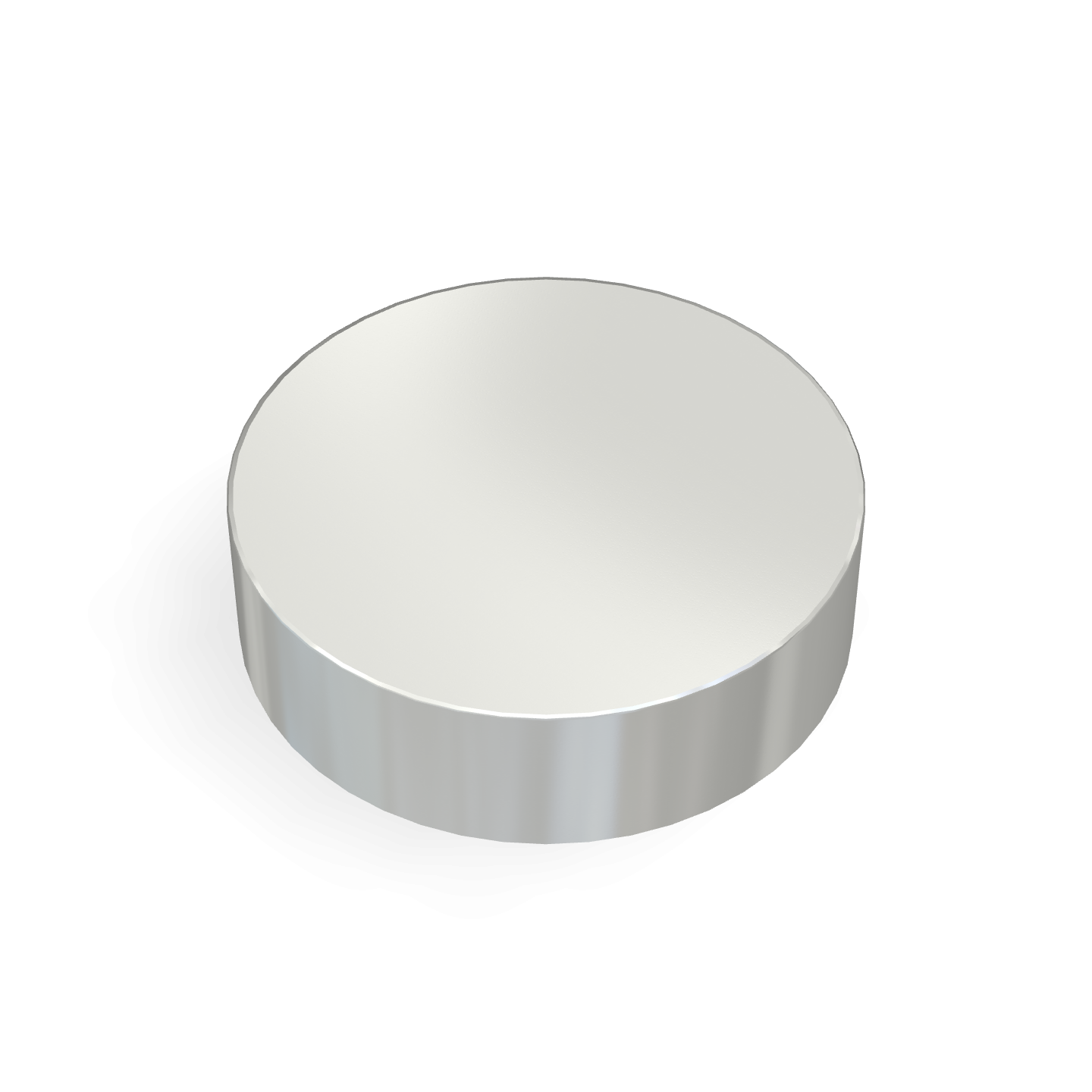
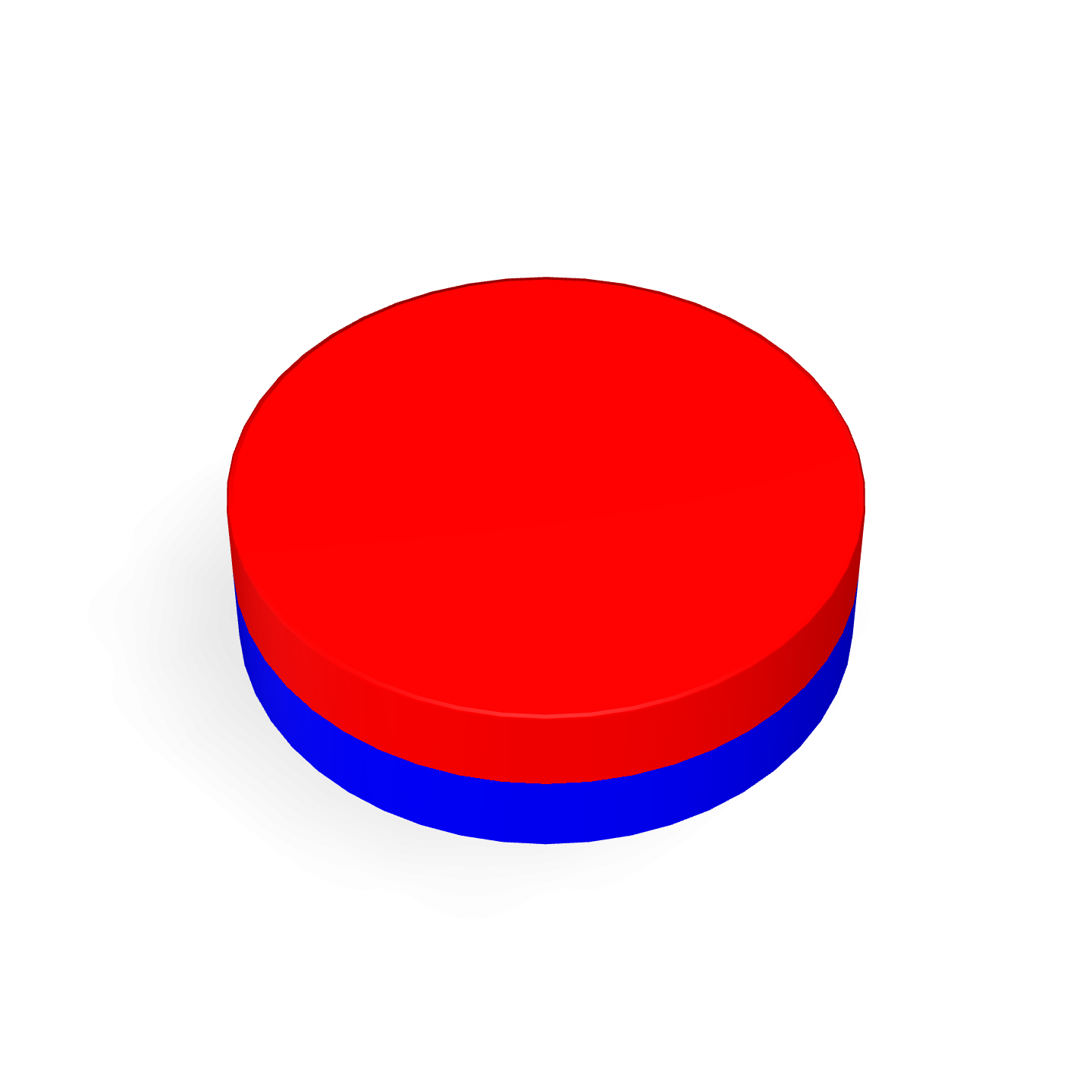
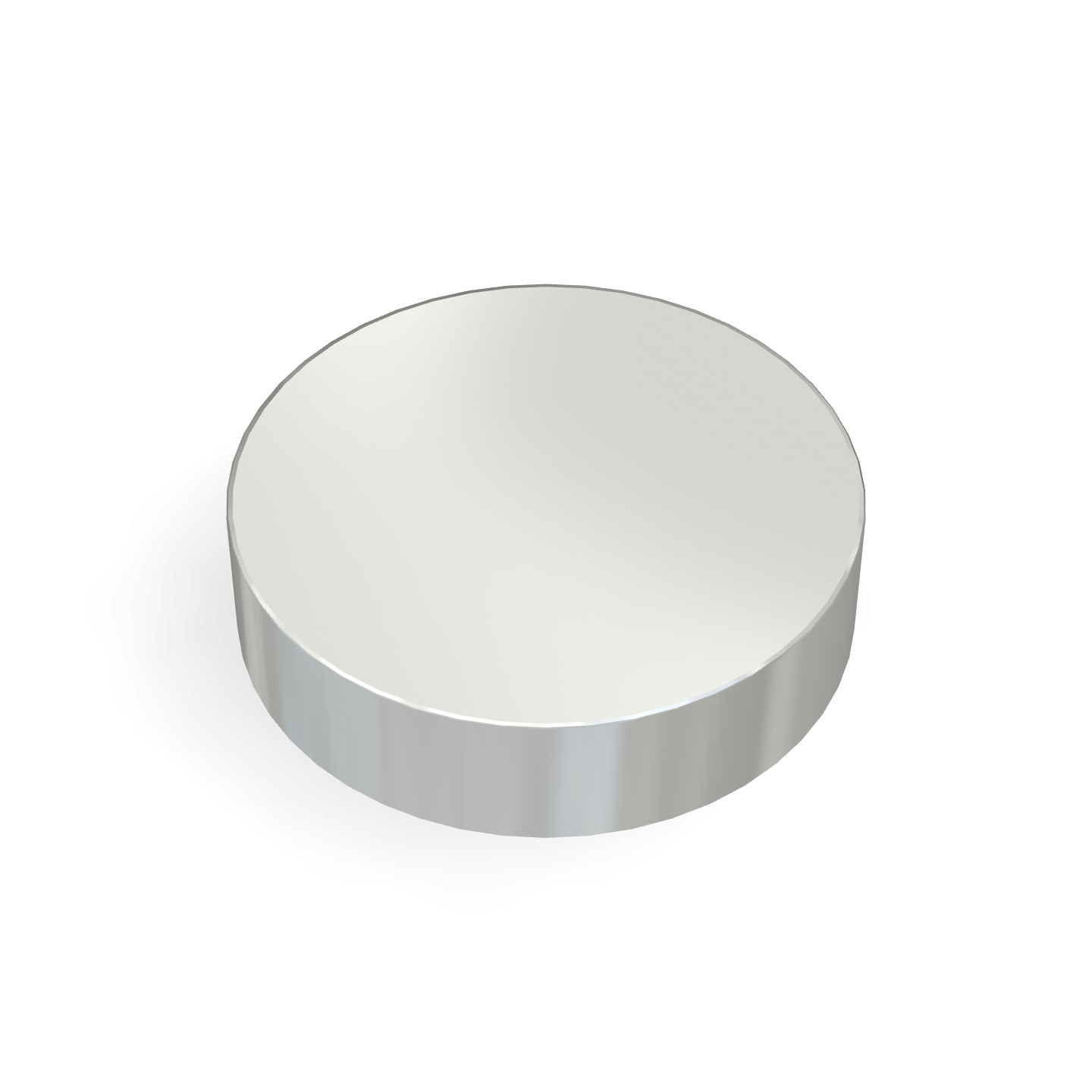
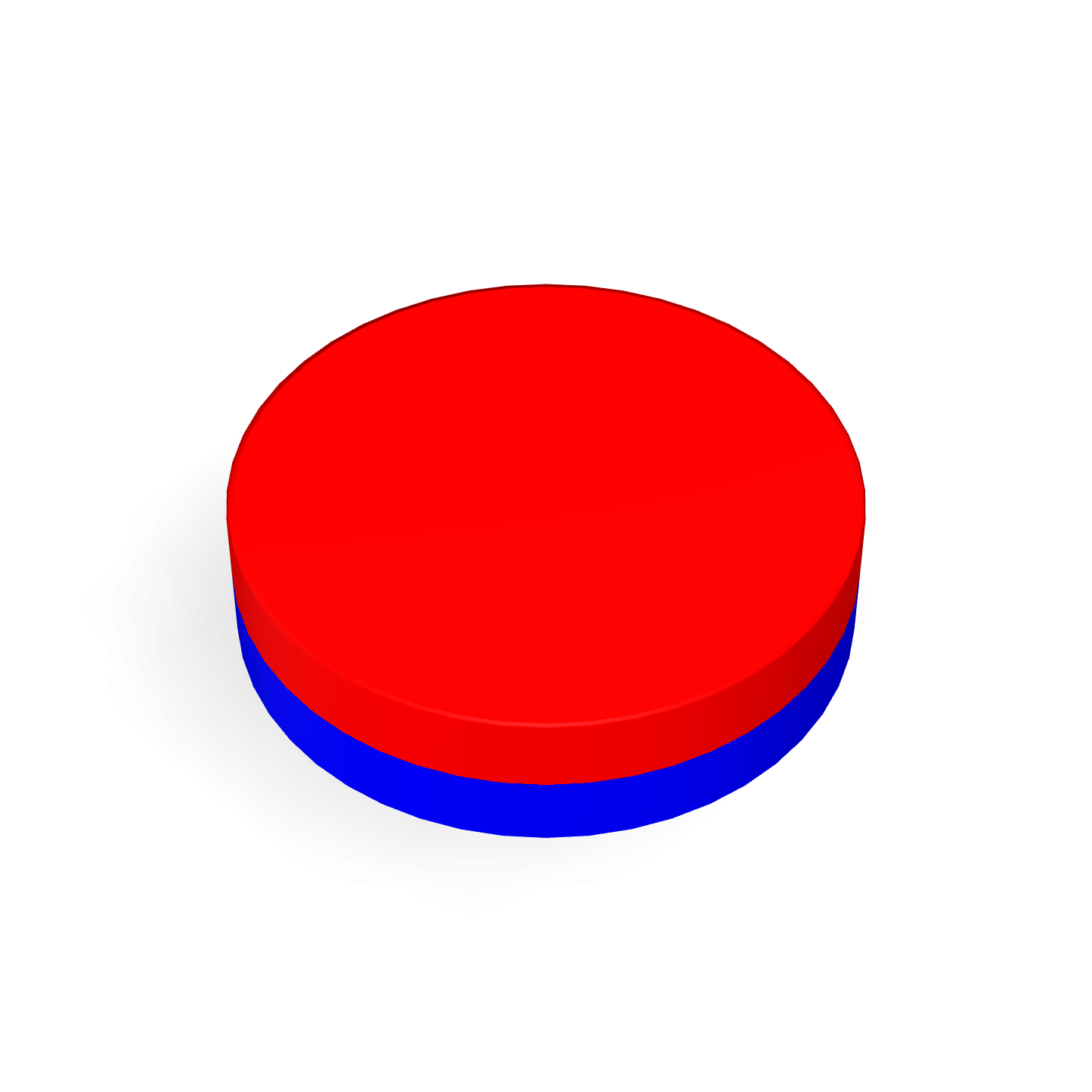
Magfine supplies disc and block neodymium magnets in bulk for souvenir production. Our HDC epoxy resin coating gives the magnet a clean, flat surface that accepts pad printing and label adhesive reliably, and it adds meaningful corrosion resistance for products living in kitchen environments over time. Custom sizing is available for runs of 100 units and above. Standard coated disc magnets in 20mm, 25mm, and 30mm diameters ship from stock. Get in touch to discuss quantities and pricing.
Beyond fridge magnets and keychains, the commercial magnetic product category that moves consistently at large public events is mounting hardware — pot magnets, magnetic hooks, and strip magnets used by vendors and exhibitors to hang signage without drilling or adhesives on temporary surfaces. At the FIFA Fan Festival™ at Fort York, where vendors are working inside temporary structures with shared walls and regulated surface treatments, magnetic mounting is both practical and required in many configurations.
The FIFA Fan Festival™ at Fort York
Fort York — the historic garrison site at the western edge of Toronto’s downtown waterfront, on the south side of the Gardiner between Bathurst and Strachan — is a large, flat, open site well suited to the temporary infrastructure a Fan Festival requires. FIFA has used similar open-air sites at previous tournaments to run large-format screen viewing areas, food and beverage vendor zones, sponsor activations, and ticketed programming tied to the match calendar.
The Fan Festival draws a different visitor than the stadium. Admission is free. The audience includes Toronto residents who didn’t buy match tickets, tourists based in the city for the tournament window, and fan groups travelling specifically to participate in the public programming rather than the stadium matches. Daily attendance at Fan Festival sites at previous World Cups has reached figures comparable to the host stadiums on the same days.
Permit conditions for temporary vendor and sponsor structures at FIFA Fan Festival™ sites typically prohibit drilling and permanent adhesives on FIFA-controlled surfaces. Magnetic mounting systems — pot magnet assemblies with threaded studs or eyebolts — are a widely used alternative. Effective holding load depends on the magnet specification and the substrate ferrous content. Magfine can advise on the right configuration for a given application and load requirement. Pot magnets from 40mm to 75mm diameter cover most signage and display hardware loads in the 30–100kg range.
For businesses in the King West, Liberty Village, and Bathurst corridor, the Fan Festival is the more accessible commercial opportunity. The foot traffic it generates doesn’t require a match ticket or proximity to the stadium; it flows through the surrounding neighbourhood and connects to the waterfront walking and cycling routes that run east toward the Harbourfront.
What GTA Businesses Are Sourcing Right Now
Based on orders and enquiries coming into Magfine from the Greater Toronto Area since the tournament schedule was confirmed, here is what businesses are actively buying and why.
Disc magnets in 20mm, 25mm, and 30mm diameters with HDC epoxy coating for fridge magnet production. Standard N35 grade covers most applications. Orders range from 500 units for independent producers up to 10,000-plus for regional distributors supplying multiple retail locations. Most buyers take coated blanks and handle printing or label application with a separate print partner.
High-pull-force pot magnets for temporary fixture mounting in fan zones, sponsor activations, and hospitality tent structures. Pot magnets, a neodymium disc housed inside a steel cup that concentrates the field on one face, deliver three to five times the effective holding strength of a bare disc of the same grade and diameter. Common specifications run from 40mm to 75mm diameter with threaded stud or hook fittings, covering holding loads from 30kg to well over 100kg.
Thin N-grade disc magnets for magnetic closure systems on gift boxes and premium rigid packaging. Also block magnets for countertop display fixtures using magnetic attachment rather than screws or adhesive. This segment is buying for the broader tournament retail season, not a specific event activation, the driver is the general increase in retail foot traffic from June through late July and the demand for premium packaging formats in the gifting category.
Ongoing production orders for magnets going into motor assemblies, sensor systems, and electrical infrastructure that are not FIFA-specific but are being fulfilled ahead of the tournament window to avoid delivery compression. Several GTA industrial suppliers have moved their regular stocking orders forward by four to six weeks to ensure inventory is on hand before the mid-July period when logistics networks typically slow around large public events.
Neodymium plate magnets and magnetic strips for directional signage systems going up along the waterfront corridor, transit routes, and at navigation points around Exhibition Place, Fort York, and the Union Station connection. Magnetic attachment allows signs to be repositioned as crowd flow patterns shift across the tournament schedule, which static-mounted installations cannot accommodate without reinstallation labour.
Magfine Corporation: Products, Standards, and How to Order
Magfine has been supplying neodymium magnets to Canadian industry since 1986. The company was built on a direct relationship with Japanese rare-earth magnet manufacturers producing to tighter dimensional and magnetic tolerances than most of the Western supply chain at the time. That manufacturing relationship is still the foundation of the product line today.
The current catalogue covers over 5,000 configurations across disc, block, ring, arc, and pot magnet geometries, from N35 through N52 and across the SH, UH, and EH temperature-rated series. Surface coatings include nickel, zinc, gold, rubber, and the proprietary HDC epoxy resin that’s particularly suited for outdoor and high-humidity applications. For an event deployment running through Toronto’s summer, HDC coating is the right specification for anything going outdoors or into a ventilated tent structure.
- ISO 9001 quality management system — applies to manufacturing process and order fulfillment
- RoHS compliant — restriction of hazardous substances, required for electronics and consumer products sold in Canada
- REACH compliant — EU chemical registration framework, required for export and many B2B supply chain requirements in Canada
- HDC epoxy coating independently tested for salt spray resistance — relevant for outdoor and summer event installations
- Dimensional tolerances held to ±0.05mm on standard in-stock products
- 5,000+ configurations in stock — standard orders ship within 1–2 business days from Toronto
- Free shipping on Ontario orders over $100 CAD
- Nationwide delivery to all provinces and territories
- Custom geometries and coatings: 2–6 weeks depending on specification and volume
- Volume pricing from 100 units — contact for a quote
- Technical support available for grade selection, application questions, and custom specifications
What People Are Searching For: Magnets, Toronto, and the World Cup
The following search terms are consistently high-volume from Ontario and across Canada, reflecting the mix of consumer, commercial, and industrial demand active in the market right now. We’ve included a note on what each query typically indicates about buyer intent.
The primary commercial search for anyone sourcing rare-earth magnets in this country. Usually indicates a buyer who already knows the material they need and is looking for a Canadian supplier to avoid import delays and currency exposure. Magfine is one of the few suppliers in Canada with broad in-stock depth across grades and geometries, with same-week dispatch on standard orders.
Typically from buyers who need a specific size, shape, or coating not available in standard catalogue formats. Common sources are product designers, packaging engineers, and event fabricators with a specific dimensional requirement. Custom orders start with a specifications conversation — diameter or dimensions, thickness, grade, coating, tolerance requirements, and quantity — before a lead time can be confirmed.
A broader-intent search from buyers who know they need high pull force but haven’t yet settled on a specific magnet type or grade. Often results in a disc or pot magnet purchase once the application is clarified. A brief description of what the magnet needs to hold, at what distance, and in what environment is usually enough to narrow down the right specification.
Procurement teams and plant managers sourcing for ongoing production requirements. This segment usually arrives with established specifications and is looking for reliable supply rather than product discovery. Lead time consistency and stock depth matter more than marginal price differences in most cases at this level.
Mixed intent — consumers looking for finished products and businesses looking to source component magnets for manufacturing. Search volume is elevated relative to the same period in non-tournament years. If you’re manufacturing souvenir products for the tournament retail window, the relevant consideration at this stage is lead time: standard stock orders ship this week, custom production runs need to be confirmed now.
Frequently Asked Questions
Questions from GTA businesses, event contractors, and buyers sourcing magnets around the FIFA World Cup 2026 window.
Source magnets for FIFA World Cup 2026 in Toronto.
Souvenir production, event infrastructure, display mounting, or commercial projects tied to the tournament window — Magfine has the stock, technical support, and lead times to deliver. Get in touch with your specifications and we’ll come back with product recommendations and pricing the same day.
Contact Magfine