
How Magnet Filters Are Used in Food & Beverage Manufacturing in Canada
- Metal contamination from ferrous particles is one of the most common physical hazards in food and beverage manufacturing, and a primary focus of HACCP Preventive Control Plans required under Canada's SFCR.
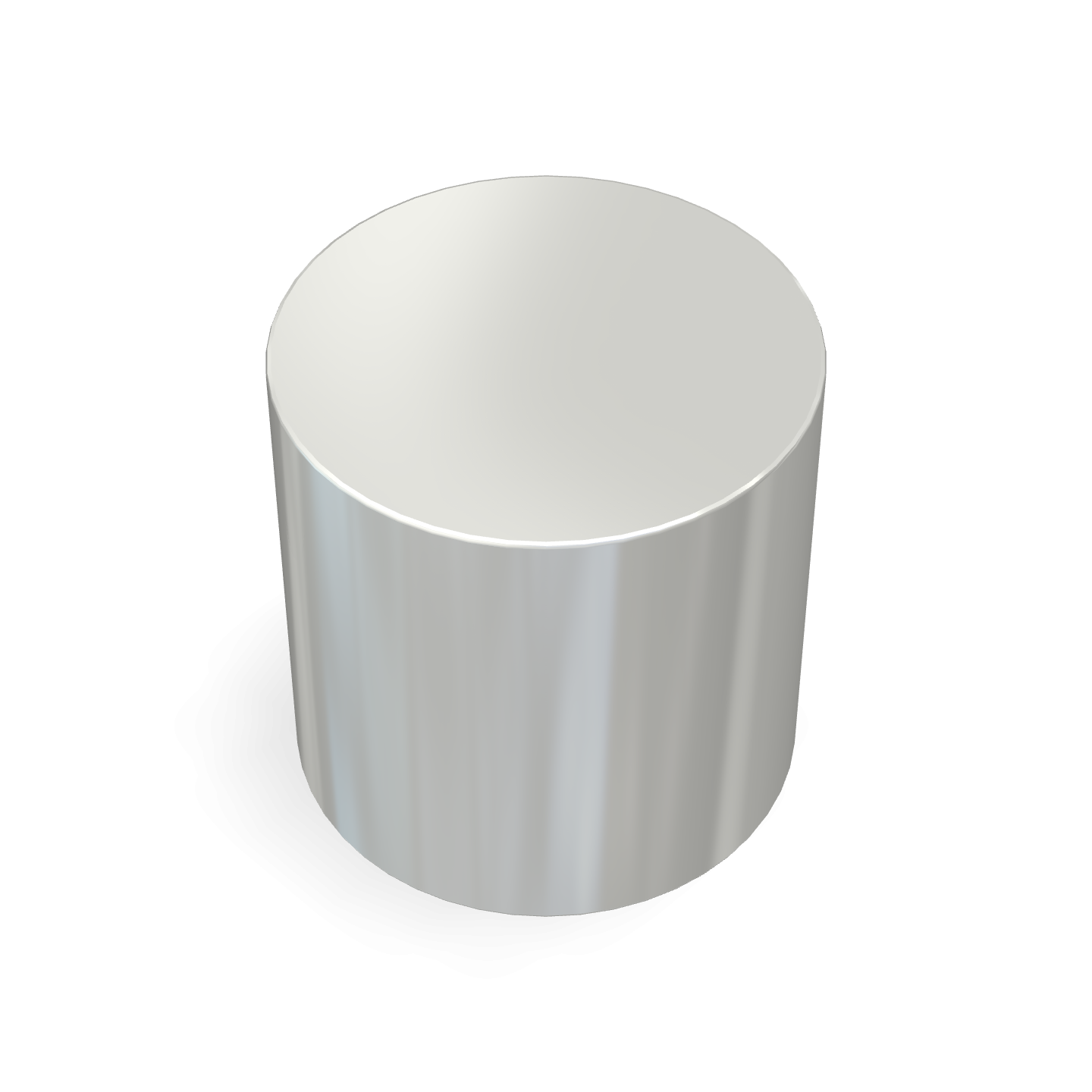
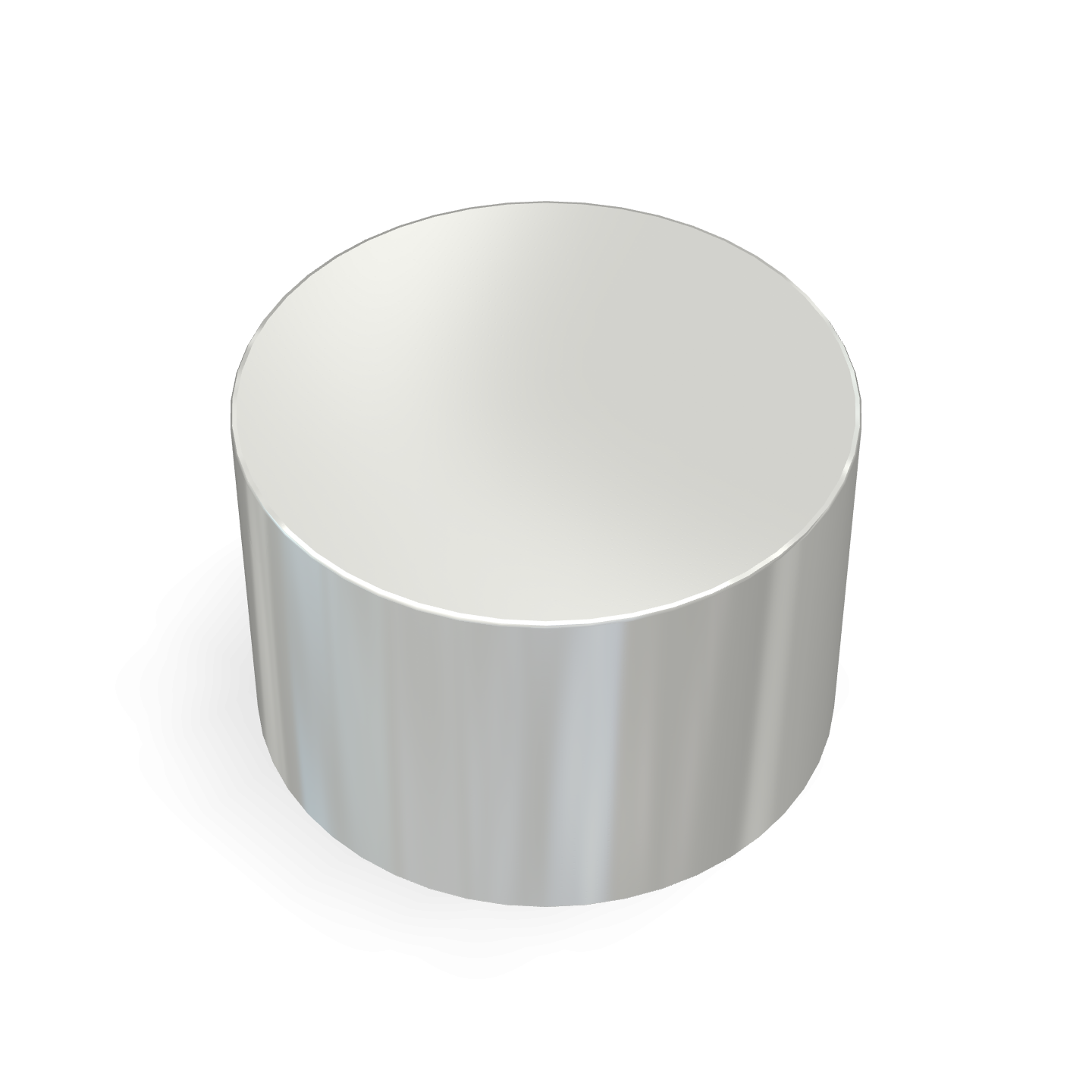
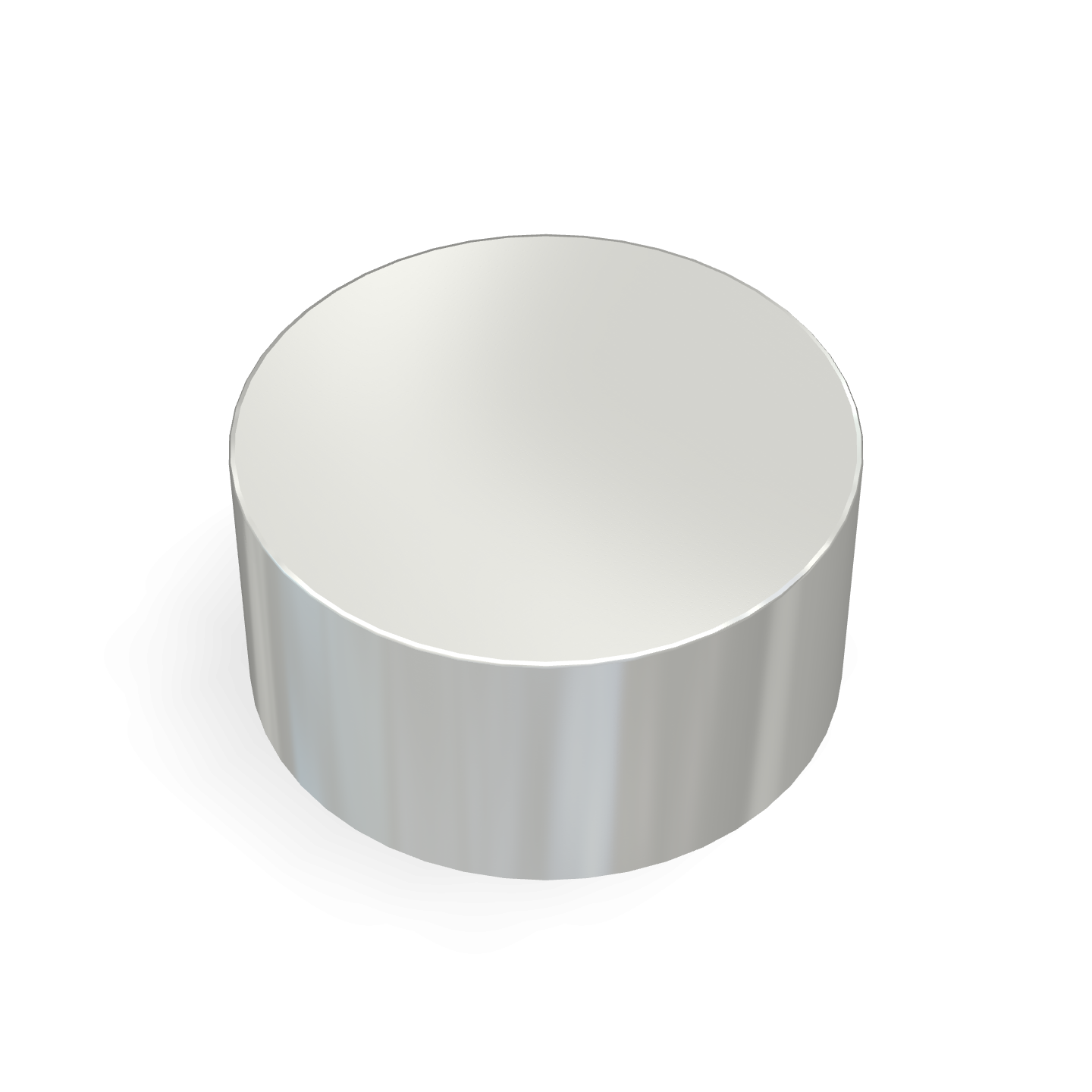
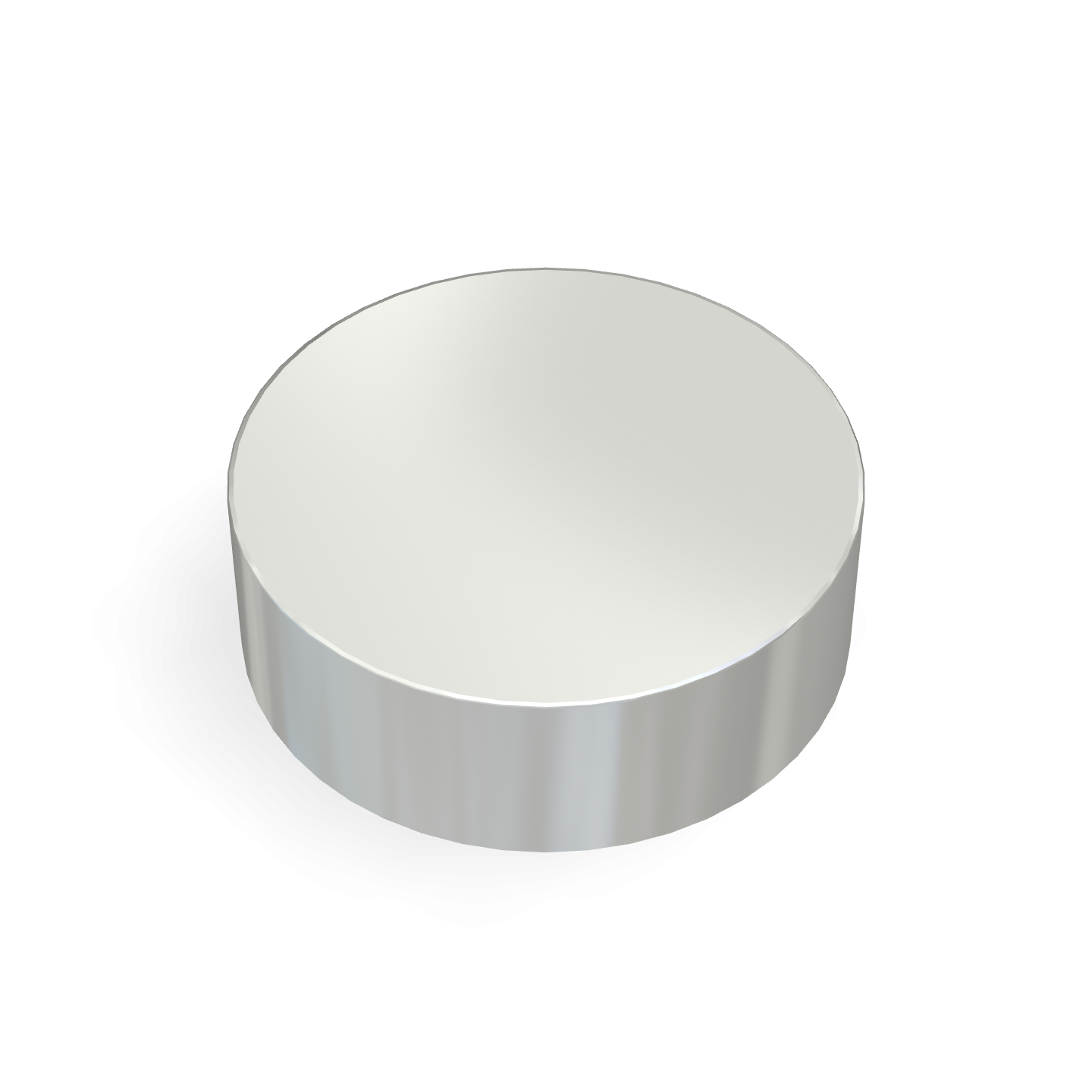
- Neodymium magnet filters capture ferrous particles as small as 10 microns, well below the threshold of conventional mesh or screen filtration.
- Different product types call for different filter configurations: dry powders use grate or drawer magnets, liquid lines use tube or frame filters, and viscous products like molten chocolate require heated double-jacket designs.
- With no consumable parts and minimal cleaning requirements, magnetic filters carry a significantly lower operating cost than mechanical screen alternatives over time.
- The CFIA is currently conducting risk-based inspections of over 2,400 licensed food manufacturers through fall 2026. Facilities without documented metal hazard controls are at elevated compliance risk.
A quality control manager at a grain milling facility outside Hamilton noticed trace iron readings in a routine product sample. The stainless steel processing equipment appeared intact, incoming raw materials had passed standard inspection, and the source wasn't immediately obvious. What eventually surfaced was wear debris from an auger bearing, cycling through the dry powder line undetected for several weeks.
The incident was caught before product reached retail. But it illustrated something plant managers across Canada's food and beverage sector encounter regularly: ferrous contamination doesn't announce itself. It enters production quietly, through equipment wear, raw material carry-in, or environmental exposure, and it requires active intervention to remove reliably.
Magnetic filtration is that intervention. It won't replace a broader food safety program, but for the specific problem of ferrous metal contamination, it is one of the most effective and lowest-maintenance solutions available.
Why Ferrous Contamination Is a Persistent Problem
Food and beverage production lines are, at their core, mechanical systems. Conveyor belts, augers, mixers, pumps, and grinding equipment all generate wear particles over time, and many of those particles are ferrous. They enter product streams gradually, in quantities too small to see but large enough to trigger metal detection failures, damage downstream equipment, or reach a consumer.
Beyond equipment wear, ferrous contamination arrives with raw materials. Grain, legumes, spices, and minerals often carry trace iron from agricultural machinery and storage facilities. In liquid processing, corrosion from piping and vessels introduces dissolved and particulate iron into product flows throughout the line.
Under Canada's Safe Food for Canadians Regulations (SFCR), all licensed manufacturers must implement Preventive Controls built on HACCP principles. Physical hazards, including metal fragments, must be identified and documented in a written Preventive Control Plan. The CFIA is currently conducting risk-based inspections of over 2,400 licensed food manufacturers through fall 2026, with enforcement actions available for facilities found to be non-compliant, including licence suspension.
Magnetic filtration addresses the ferrous subset of this problem directly. It is not a substitute for a metal detector or X-ray inspection system; those tools are designed for finished product verification. Magnetic filters work earlier in the process, removing contamination before it reaches critical control points, reducing detection system load, and protecting equipment from abrasive damage in the process.
How Magnetic Filters Work
A magnetic filter places a high-intensity permanent magnet directly in the path of a product flow. As product passes over or around the magnetic element, ferrous particles are pulled from the stream and held against the magnet surface. The product moves through; the contamination stays behind.
The mechanism is entirely passive. No power is required, there is no filter media to replace, and flow restriction under normal operating conditions is negligible. When the magnet becomes loaded with captured debris, it is withdrawn, cleaned manually, and reinstalled. In continuous production environments this is scheduled as part of routine maintenance, and it typically takes only a few minutes.
The critical performance variable is field strength, measured in Gauss. Neodymium-iron-boron magnets achieve significantly higher field intensities than ceramic or ferrite alternatives, and for food-grade applications requiring capture of fine particles such as rust, grinding debris, and corrosion byproducts, neodymium is the industry standard.
Filter Types by Application
Dry powder processing, liquid filling lines, and viscous product manufacturing each present different flow characteristics, contamination profiles, and hygiene requirements. The right filter type follows from understanding those differences.
Magnetic Filtration vs. Conventional Alternatives
Screen filters and magnetic filters are often discussed interchangeably, but they work on different principles and protect against different risks. Understanding that distinction matters when specifying the right combination for a given line.
- Blocks particles larger than the mesh opening, ferrous and non-ferrous alike
- Fine wear particles under 50–100 μm pass freely through standard mesh screens
- Requires regular cartridge replacement; consumable costs accumulate over time
- Flow slows and pressure rises as the filter loads, affecting throughput
- Broad contamination coverage; best used as a downstream catch-all
- Captures by ferromagnetic properties, not particle size, catching fine debris screens miss entirely
- No consumable elements; operating cost is maintenance labour only
- Passive operation with no power draw and no pressure penalty under normal load
- Capture efficiency does not degrade between cleaning cycles; field strength is stable
- Ferrous only — non-ferrous contamination requires separate detection methods
In well-designed food facilities, both approaches are typically used in sequence. Magnetic filters handle ferrous contamination upstream; mechanical filtration and metal detection provide verification closer to the finished product. They complement each other rather than compete.
Placing magnetic filters upstream of metal detectors and X-ray systems reduces the load on those systems considerably. Fewer false positives from fine ferrous particles means higher line throughput and fewer unnecessary product holds. That operational benefit is separate from, and in addition to, the direct food safety value of removing the contamination in the first place.
Magnetic Filters in a HACCP Framework
Canada's Safe Food for Canadians Regulations require licensed food manufacturers to develop and maintain a Preventive Control Plan built on HACCP principles. Physical hazards, including metal contamination, must be identified and controlled with documented measures, and magnetic filtration fits naturally into that structure.
In a standard HACCP analysis, metal contamination from equipment wear or raw material carry-in is typically identified as a significant hazard at multiple points in a processing line. Magnetic filters installed at those points function as preventive controls, reducing contamination before it reaches downstream verification steps. Cleaning records, installation locations, and performance parameters can all be incorporated directly into a facility's PCP documentation.
For Canadian manufacturers, the practical significance of this is immediate. The CFIA began inspecting over 2,400 licensed food manufacturers in summer 2025, with completion targeted for fall 2026. Inspectors are reviewing whether Preventive Control Plans are in place, current, and actively used. Metal hazard controls that are documented and verifiable support compliance; facilities without them are at real enforcement risk.
Maintenance and Operating Costs
There are no consumable filter elements to purchase or dispose of. Maintenance is scheduled cleaning: withdraw the magnetic assembly, wipe or scrape accumulated debris from the magnet surfaces, reinstall. In most configurations this takes a few minutes and can be handled by line staff without specialized tools or a maintenance shutdown.
Cleaning frequency depends on contamination load. Weekly inspection is often sufficient in low-wear environments. In high-wear applications such as grinding or milling, daily or shift-based cleaning may be appropriate. The right interval is established during commissioning and refined based on what the magnets are actually capturing.
Performance is stable over time within normal operating temperature limits. Unlike mechanical filters, there is no gradual degradation in capture efficiency as debris accumulates between cleans. Field strength doesn't diminish with use under standard food processing conditions, which makes long-term cost of ownership predictable.
Key Canadian Sectors
Magnetic filtration is used across most major segments of Canada's food and beverage industry. These sectors represent the highest-concentration applications.
Grain entering mills carries iron from agricultural equipment, and the milling process itself generates metal wear from rollers and screens. Grate magnets at hopper inlets and between processing stages are standard practice in compliant Canadian mills, making this sector one of the highest-volume users of dry magnetic filtration in the country.
Dairy lines handling milk powder, cheese, and processed dairy products typically use both inline liquid filters and dry-side grate systems depending on the product stage. CIP compatibility and stainless steel construction are standard requirements. Canada's dairy sector is inspected at some of the highest frequencies in the food industry.
Canada now has over 1,200 licensed craft breweries, many of them smaller facilities scaling production with limited quality control infrastructure. Inline liquid magnetic filters are compact, require minimal maintenance, and integrate cleanly into a growing operation without dedicated technical staff to manage them.
Chocolate, candy, and snack production moves through both dry ingredient handling and liquid or semi-liquid processing stages. Double-jacket filters are used on viscous chocolate lines; grate systems handle dry sugar and cocoa. Products in this category are disproportionately consumed by children, which draws additional regulatory scrutiny to physical hazard controls.
Mechanical harvesting, washing, and cutting equipment generates substantial metal wear in produce processing environments. Plate magnets above conveyor belts and inline filters on wash water circuits are typical configurations. Canada's frozen food sector, concentrated across Ontario, Manitoba, and British Columbia, processes several billion kilograms of product annually.
Frequently Asked Questions
Questions we hear from food and beverage plant managers and quality teams.
Specify the right magnetic filter for your production line.
Whether you're building out a new HACCP plan, upgrading existing filtration, or responding to a CFIA inspection finding, our team can help you select the right configuration for your product type, flow rate, and facility layout.
Contact Magfine