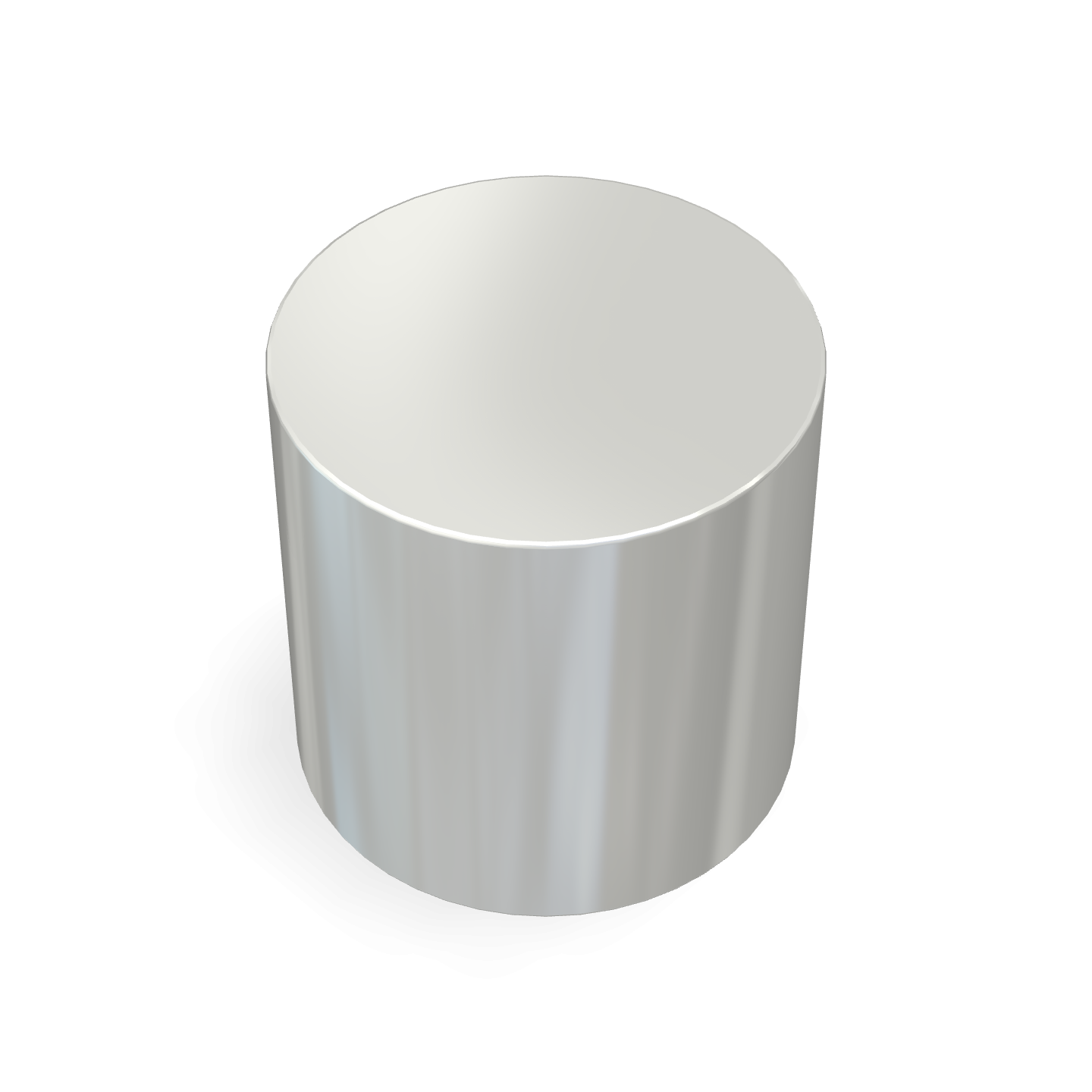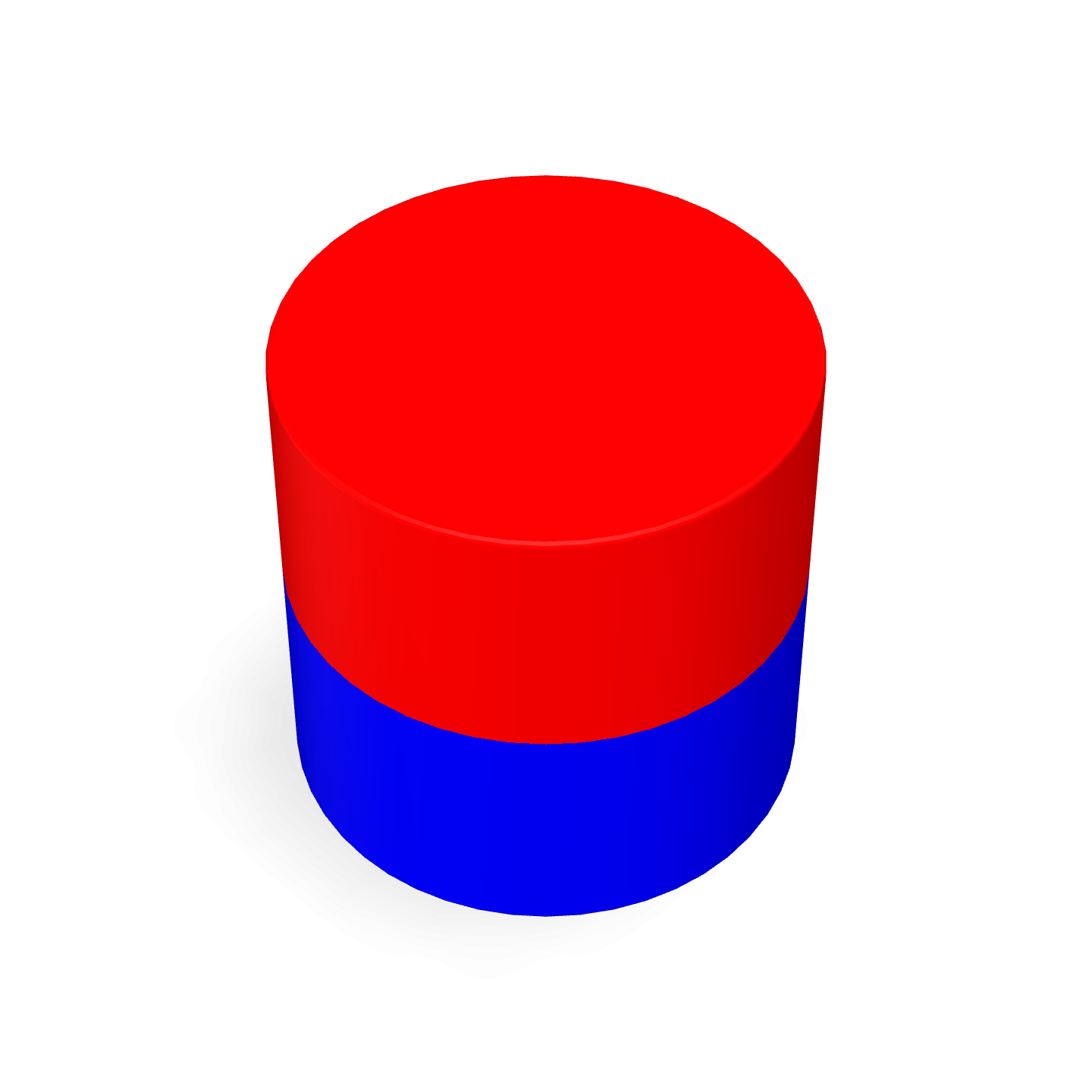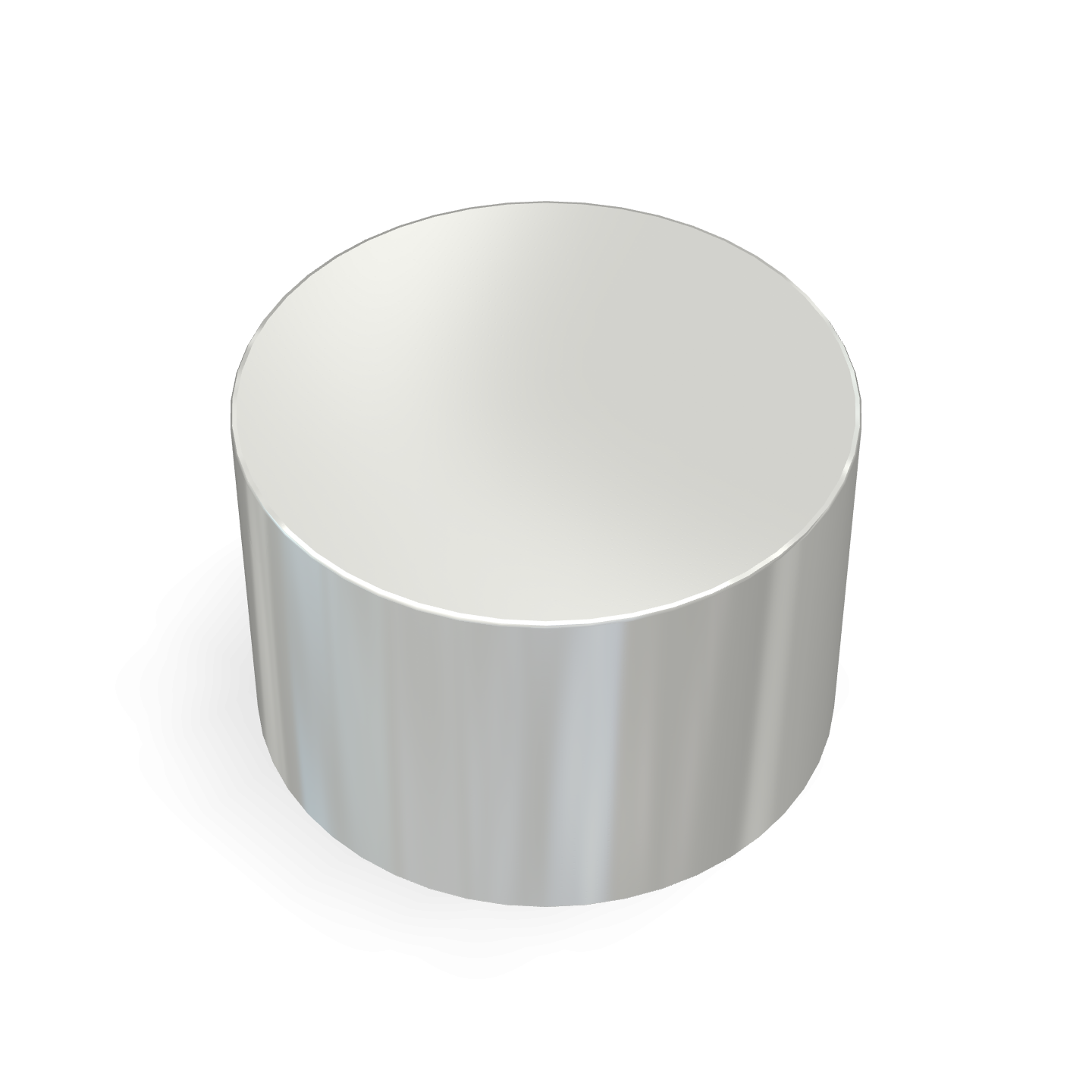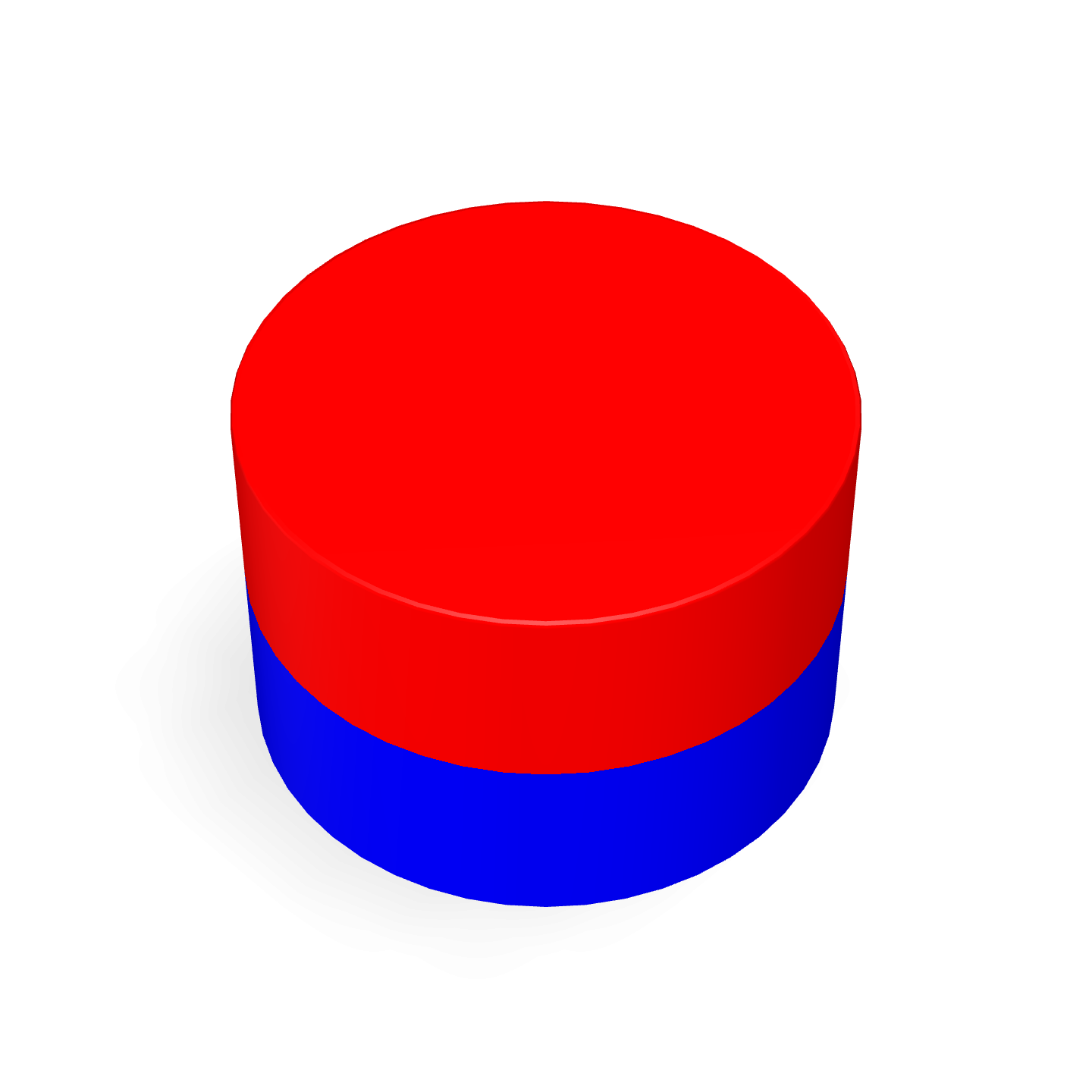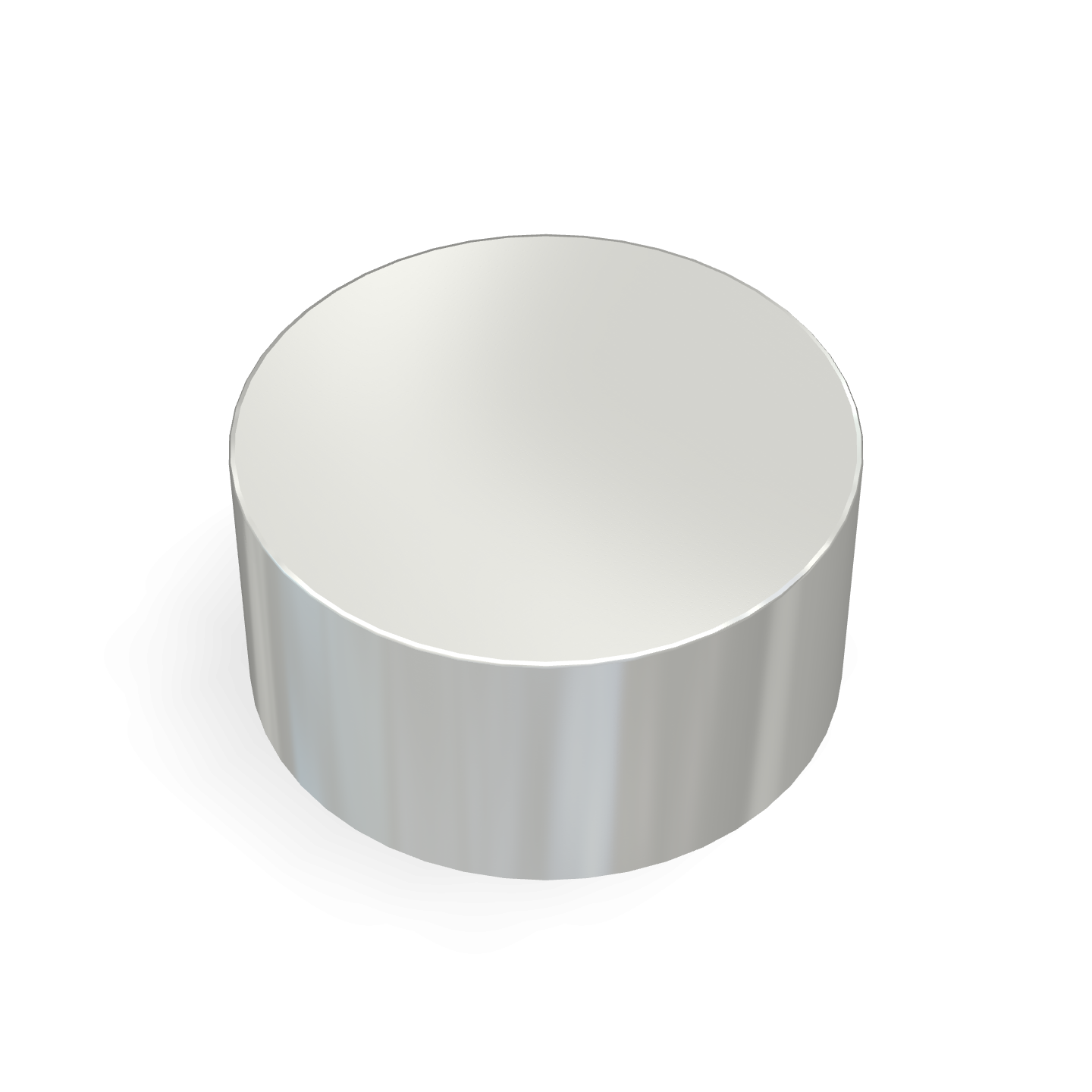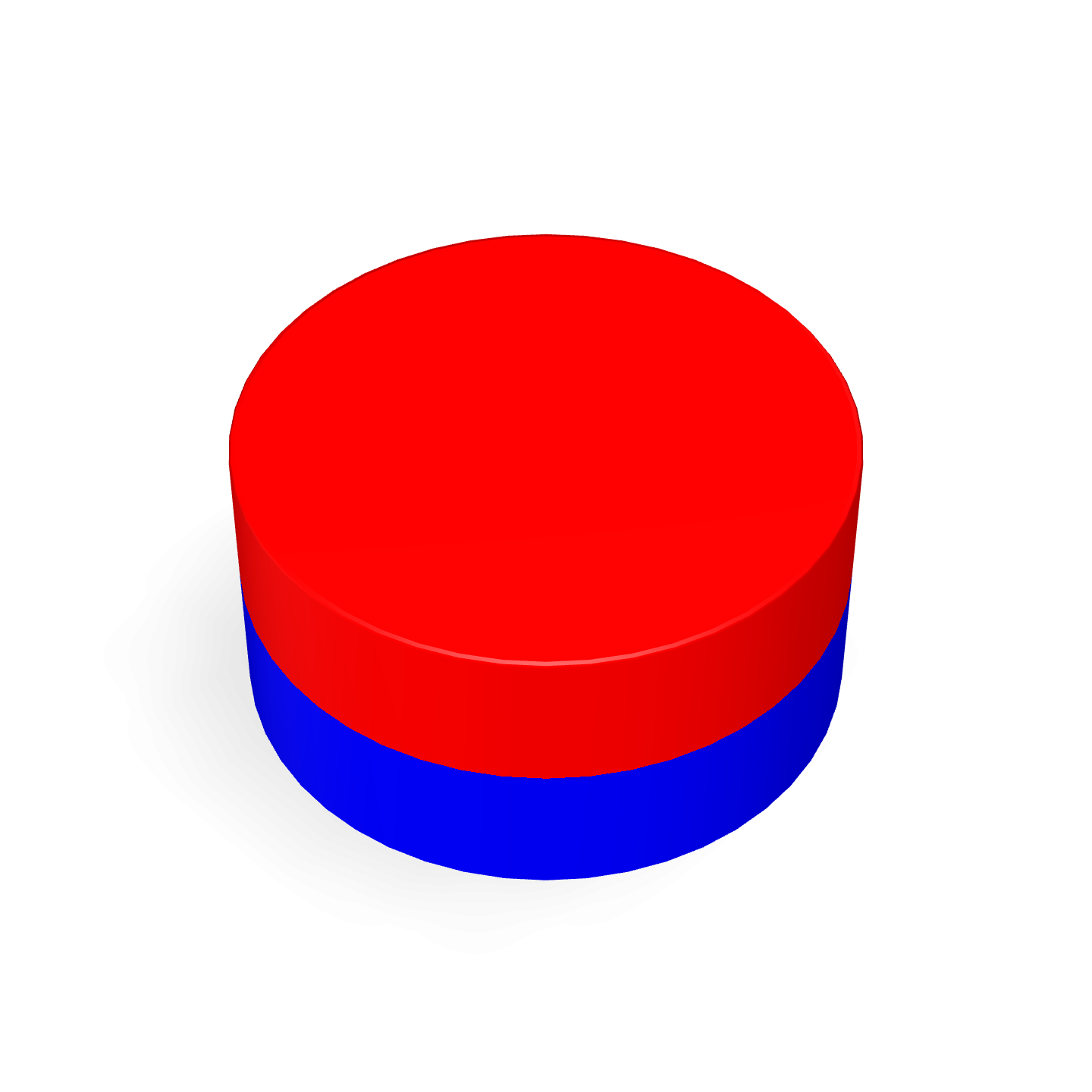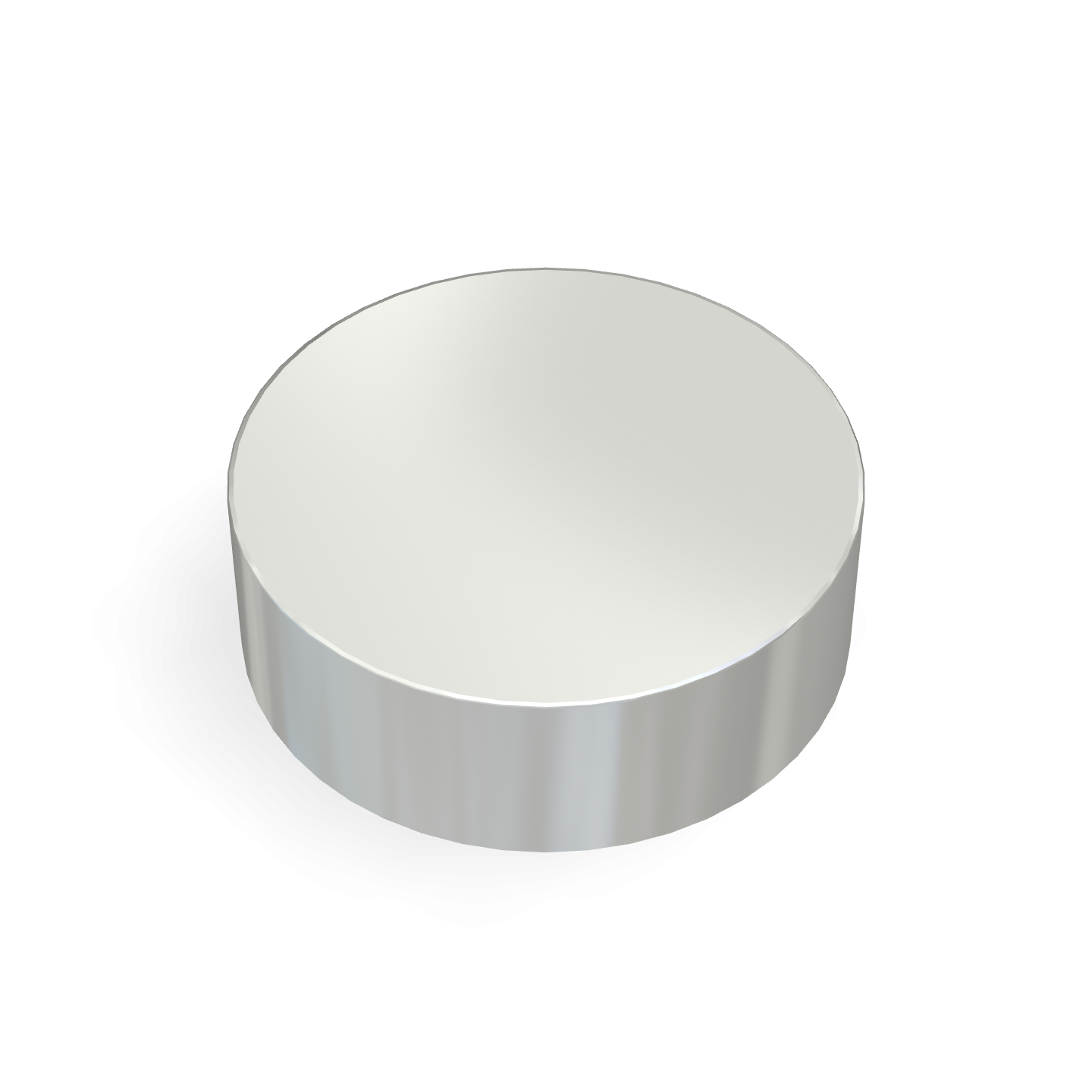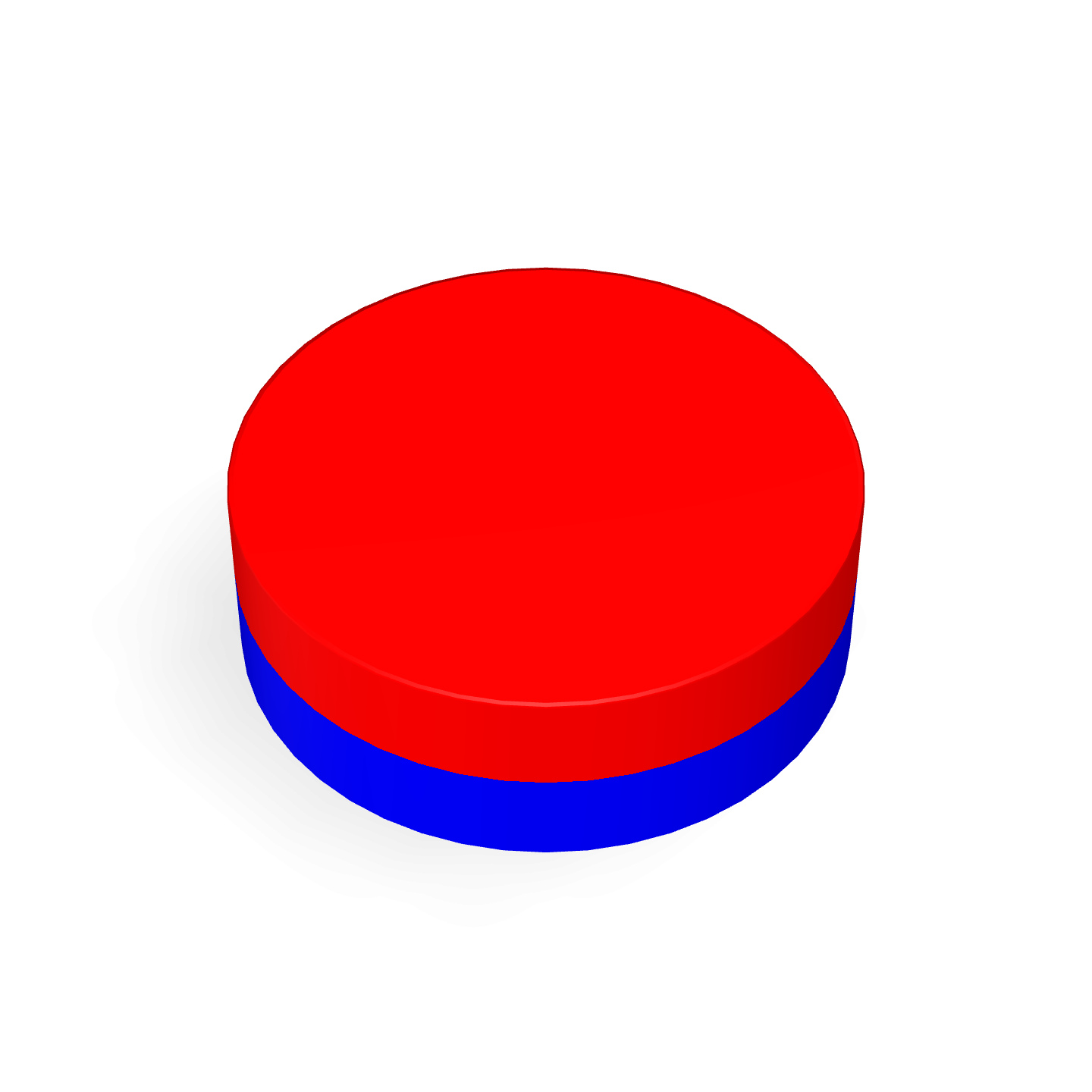
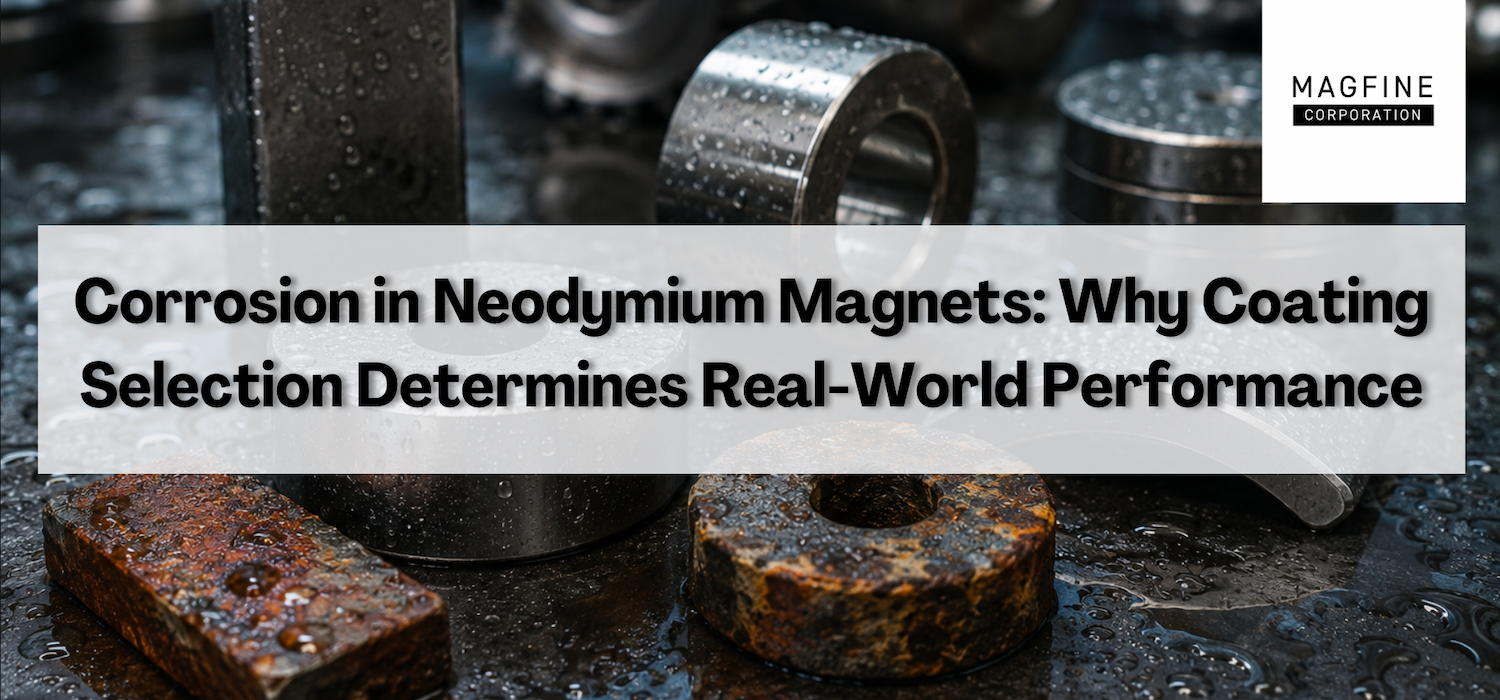
- NdFeB magnets corrode from the inside out through their sintered pore structure. Visible rust usually means flux degradation has already started.
- Nickel-copper-nickel plating performs adequately in sealed, controlled environments. In wet or chloride-heavy conditions it can fail earlier than expected.
- Epoxy resin works by blocking oxygen and moisture, rather than acting as a sacrificial layer. It is effective when properly applied.
- Magfine’s HDC epoxy process achieves less than 1% mass loss and 0.2% magnetic moment loss after 408 hours of ISO 14993 salt spray testing.
- With neodymium prices up significantly in recent years, premature magnet failure is a supply chain cost issue as much as a maintenance issue.
Several years ago, a manufacturer operating magnetic separation equipment in a fish processing plant contacted us about recurring failures. Their neodymium block magnets, less than 18 months in service and housed in stainless steel frames, were degrading well before the expected replacement cycle.
The nickel plating was lifting at the corners. Rust had formed underneath the coating, and flux output had dropped enough that contaminants were passing through the separator. The equipment itself was not unusual, and the magnets were standard specification for that type of system.
The cost of the magnets was not insignificant, but the downstream food safety risk was far greater. The issue was not the hardware itself, but the assumption that a standard coating is suitable for all wet processing environments.
Why NdFeB Corrodes the Way It Does
Neodymium-iron-boron magnets are approximately two-thirds iron. Iron oxidizes readily in the presence of moisture and oxygen, and the sintered structure of NdFeB introduces micro-porosity that allows corrosion to propagate internally.
In many cases, degradation begins beneath the surface. By the time rust becomes visible externally, flux loss has already started.
What differentiates NdFeB from materials such as samarium-cobalt is the electrochemical activity of neodymium itself. With a standard electrode potential of −2.431V, it is highly reactive in industrial environments. Microstructural differences between phases create localized electrochemical variation, meaning corrosion often initiates at grain boundaries before surface indicators appear.
This behavior is well understood and has been documented since the commercial introduction of NdFeB magnets. The key engineering question is not whether corrosion occurs, but whether the selected coating system is appropriate for the environment.
The Limits of Nickel Plating
Nickel-copper-nickel is the most common coating used for NdFeB magnets. It is widely adopted because it is cost-effective, dimensionally stable, and suitable for controlled environments.
The outer nickel layer provides short-term protection by delaying exposure of the underlying material. In sealed housings with stable humidity, this is often sufficient.
In less controlled environments, performance changes significantly. Any defect in the coating can form a localized corrosion site. Because NdFeB is anodic relative to nickel, degradation tends to accelerate at these points rather than stabilize.
Under salt spray testing conditions, visible corrosion can appear within 24–48 hours. Over longer exposure, flaking and underfilm corrosion typically develop, eventually leading to coating failure.
This does not indicate poor manufacturing quality. It reflects the operational limits of the coating system.
What Epoxy Resin Does Differently
Epoxy coatings function differently from metallic plating systems. Rather than providing sacrificial protection, they create a continuous barrier that limits exposure to oxygen and moisture.
When properly applied, epoxy systems demonstrate strong resistance in accelerated aging tests. Degradation, when it occurs, is typically localized to edges or corners where coating uniformity is more difficult to maintain.
The performance of epoxy coatings depends heavily on surface preparation and application control. NdFeB substrates are porous and chemically active, which makes adhesion more sensitive to process variation than many engineers expect.
Coating Comparison
| Coating | Salt Spray Performance | Mechanical Durability | Best Environment | Risk Profile |
|---|---|---|---|---|
| Ni-Cu-Ni Plating | Rust visible at 24–48 hrs | Moderate under vibration | Sealed indoor environments | CONDITIONAL |
| Zinc Plating | Low resistance | Low | Dry indoor applications | LIMITED |
| Standard Epoxy | Moderate, edge dependent | Better than metallic plating | General industrial environments | MODERATE |
| Magfine HDC Epoxy | <1% mass loss at 408 hrs | High adhesion stability | Harsh, wet, marine, food, medical | RECOMMENDED |
Magfine’s HDC Process
Magfine has been producing NdFeB magnets since 1986. The HDC coating system reflects long-term experience with failure modes in real operating environments.
The coating is epoxy-based, but performance is driven by surface preparation and application control developed in production environments. This improves adhesion consistency, particularly at edges and corners where coating systems typically fail first.
Coating thickness is controlled between 12–30 μm depending on geometry. The system is designed specifically for compatibility with NdFeB alloys.
Epoxy-based coating, 12–30 μm thickness range, geometry-controlled application, grades N35–N52 including high-temperature variants, RoHS and REACH compliant, rated to 150°C continuous, <1% mass loss at 408 hours ISO 14993.
Where This Matters Most
Offshore Wind
Direct-drive offshore wind turbines use large quantities of NdFeB magnets operating in salt-laden air for extended service lives. Maintenance access is expensive and infrequent, making long-term corrosion resistance critical to system reliability.
Global offshore wind capacity continues to expand rapidly, increasing the demand for durable magnet systems that can operate without early intervention.
Electric Vehicles
Traction motors operate under wide thermal ranges and exposure to road contaminants including salt and moisture. Vibration and thermal cycling place additional stress on coating systems over long service intervals.
Industrial Robotics
Robotic systems often operate in environments with coolant exposure, particulates, or variable humidity. Reliability requirements increase as automation expands into less controlled industrial settings.
Medical, Marine, and Infrastructure
These applications share long service life expectations and exposure to environments where corrosion cannot be treated as a minor degradation mode. In regulated environments, coating failure can become a compliance issue rather than just a maintenance concern.
Supply Chain Considerations
Neodymium pricing has increased significantly in recent years due to demand from EV and wind energy sectors combined with supply concentration in China. This has introduced volatility into procurement planning across multiple industries.
At higher material costs, premature magnet failure increases total lifecycle cost substantially. In many cases, coating selection has a larger impact on total cost of ownership than incremental changes in magnet grade.
If a magnet fails early in its service life, the replacement cost over time exceeds the initial purchase price by several multiples. Coating selection is often one of the most direct ways to reduce that lifecycle exposure.
When to Specify Epoxy
Nickel plating is appropriate for sealed indoor environments with stable humidity and no direct exposure to corrosive agents.
In environments involving moisture, salt, thermal cycling, vibration, or wash-down processes, epoxy coatings provide a more suitable protection mechanism. In these cases, coating selection should be based on operating conditions rather than initial cost.
Frequently Asked Questions
Questions we hear regularly from engineering and procurement contacts.
Talk to a magnet engineer about your application.
If you’re evaluating corrosion risk or specifying magnets for a demanding environment, we can help define the appropriate grade and coating combination.
Contact Magfine