
- China controls 94% of global sintered magnet production and introduced export licensing controls in April 2025, cutting supply to manufacturers worldwide.
- Neodymium is currently trading near $219/kg, up 127% since January 2025. Prices have not returned to pre-2025 levels despite a partial political reprieve.
- A one-year suspension of China's second wave of controls expires November 10, 2026. That date represents the next major pricing risk for buyers at every level.
- For trades professionals, grade selection and coating quality are the practical levers for managing cost without sacrificing performance.
- For 3D printing, buying in bulk and designing around stocked sizes are the most effective ways to stay ahead of unit price increases.
If you have priced out neodymium magnets lately, whether for a jobsite tool, a 3D printing project, or industrial equipment, you have probably noticed the sticker shock. The small discs, rods, and blocks that used to feel like a commodity purchase have gotten noticeably more expensive over the past year. You are not imagining it, and it is not your supplier padding margins.
Here is what actually happened, and what it means depending on how you use magnets.
What Happened to Magnet Prices
Neodymium magnets are made from NdFeB, short for neodymium-iron-boron. They are the strong rare-earth magnets found in everything from magnetic pickup tools and 3D printed snap-fits to EV motors and wind turbines. The neodymium that goes into them is now trading near $219/kg, up roughly 127% since the start of 2025.
The cause is not a shortage of raw material in the ground. It is a concentration of processing capacity in one country. China accounts for about 94% of global sintered permanent magnet production. In April 2025, responding to escalating US tariffs, China introduced export licensing requirements on key rare earth elements and certain high-performance magnet grades. The licensing process was slow, selective, and opaque. In the months that followed, manufacturers outside China were forced to cut production or temporarily idle factories while they waited for approvals that were not coming quickly.
A partial reprieve arrived in November 2025, when China suspended a second wave of controls for one year as part of broader US-China trade negotiations. Prices did not follow. In Europe, rare earth prices reached as high as six times Chinese domestic levels. In North America the gap was narrower, but the repricing was real and it has held. The market has structurally shifted, and buyers at every level are absorbing the difference.
What It Means for Trades Professionals
If you are an electrician, plumber, HVAC technician, pipefitter, or general contractor, magnets are probably already on your truck: magnetic wristbands, parts trays, wire fishing aids, pickup tools, cable organizers, jobsite sweepers. These are everyday items that most tradespeople do not think about until they start costing noticeably more.
The magnets inside quality trade tools are almost universally N-grade neodymium, typically N42 to N52, and they are priced off the same raw material driving the disruption. A few things worth knowing as you buy in this environment.
Right-size the grade to the job
N52 is the strongest commercially available grade, but it is also the most expensive. For most jobsite uses, including parts trays, magnetic mounting, and pickup tools, N35 or N42 delivers strong performance at a meaningfully lower cost. Save the N52 for applications where maximum pull force in a compact form is genuinely necessary. Buying a higher grade than the application requires is money left on the table, and that gap is wider now than it was two years ago.
Take coatings seriously
Neodymium corrodes. An uncoated magnet exposed to moisture on a jobsite will degrade faster than you expect. Nickel-copper-nickel coating is the standard and handles most conditions well. Epoxy coating is the better choice for wet, chemical, or salt-air environments. Given where prices are, a coated magnet that lasts three times as long is a better purchase than a cheaper uncoated one that needs replacing. This has always been true, but the math is more obvious now.
Magnetic organization is worth the investment
Magnetic tool strips, drill-bit holders, and modular van storage have become standard in well-run trade shops. The trend is toward heavier-duty wall- and vehicle-mounted systems using block or pot magnets. Buying quality once, at a known price, beats repeatedly replacing cheaper ferrite alternatives that do not hold up to daily use. If you have been putting off a shop organization purchase, sooner is better than later given where the commodity sits.
Despite price increases, neodymium sweepers and retrieval tools remain highly cost-effective compared to the alternative: lost fasteners, tire damage, or equipment fouled by metal debris. The value proposition has not changed. Only the upfront cost has.
What It Means for 3D Printing
The 3D printing community uses neodymium magnets in two distinct ways, and the supply disruption has touched both of them.
Embedding physical magnets in prints
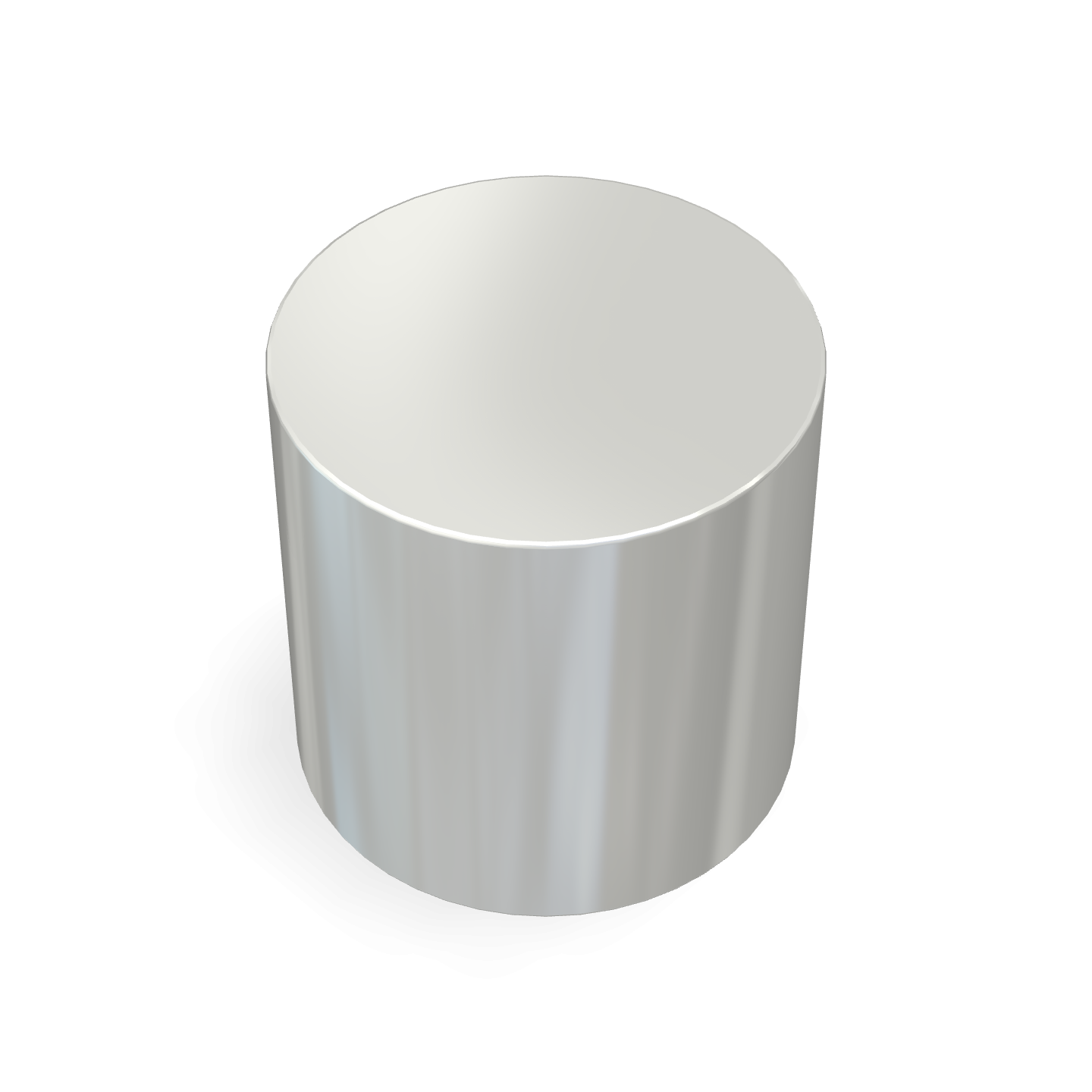
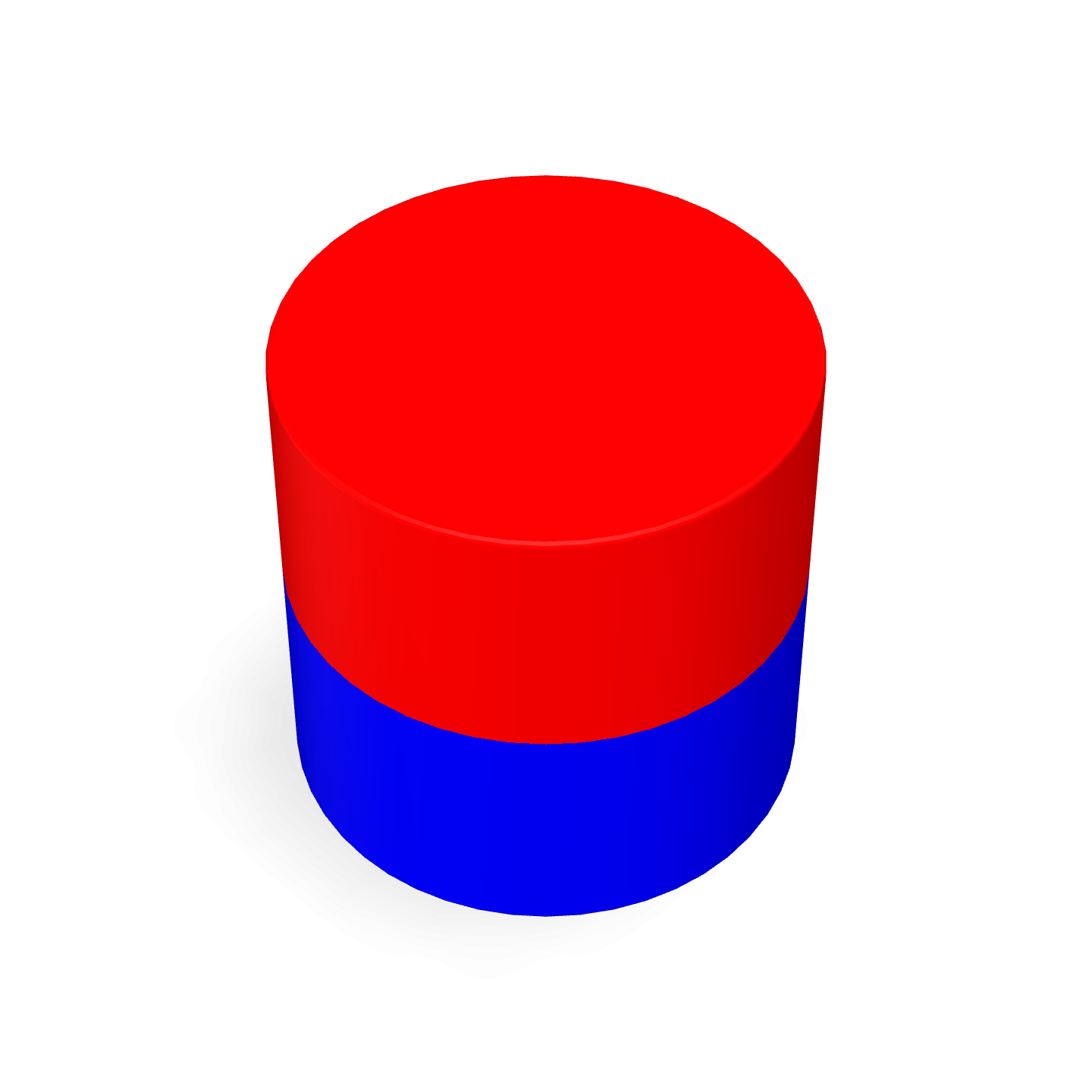
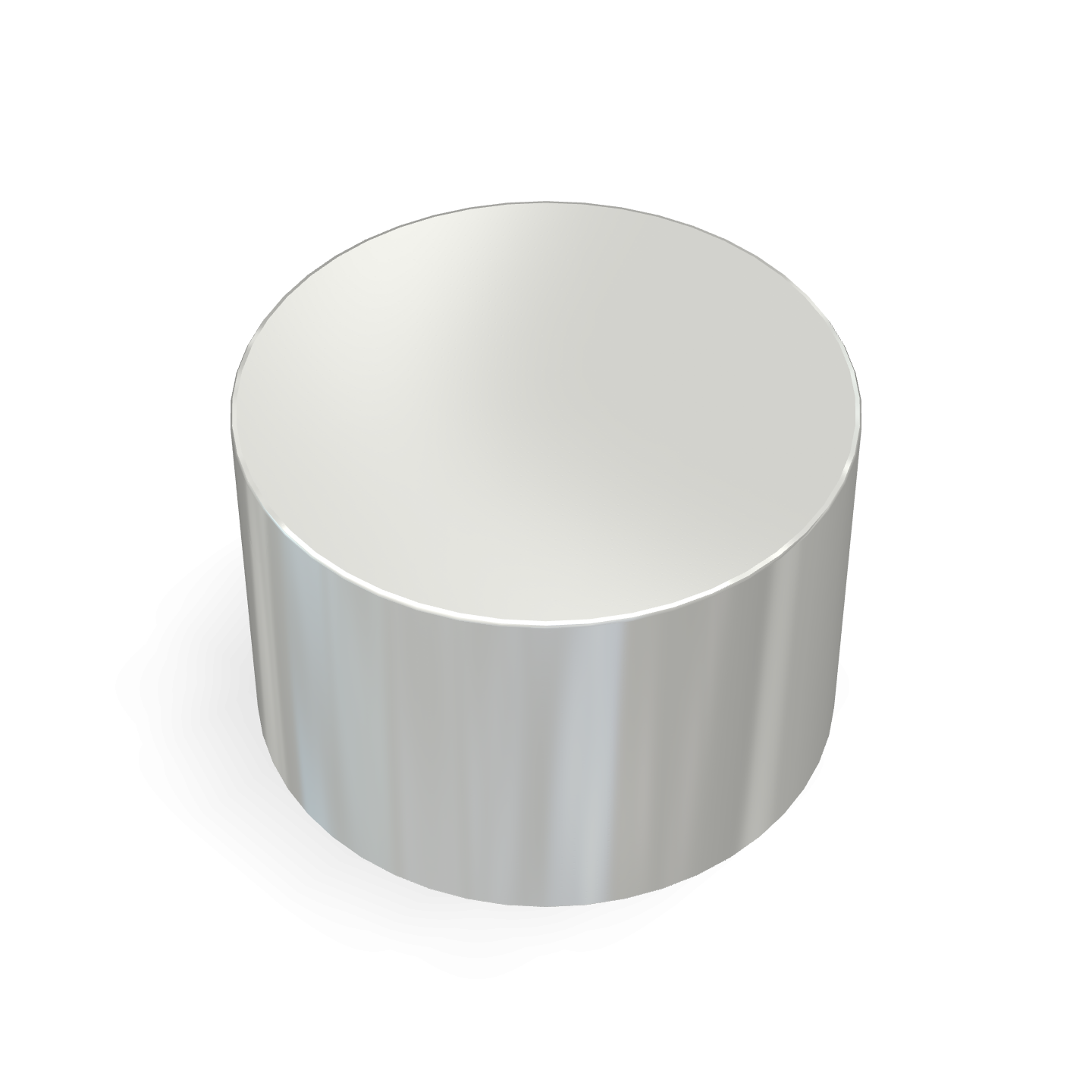
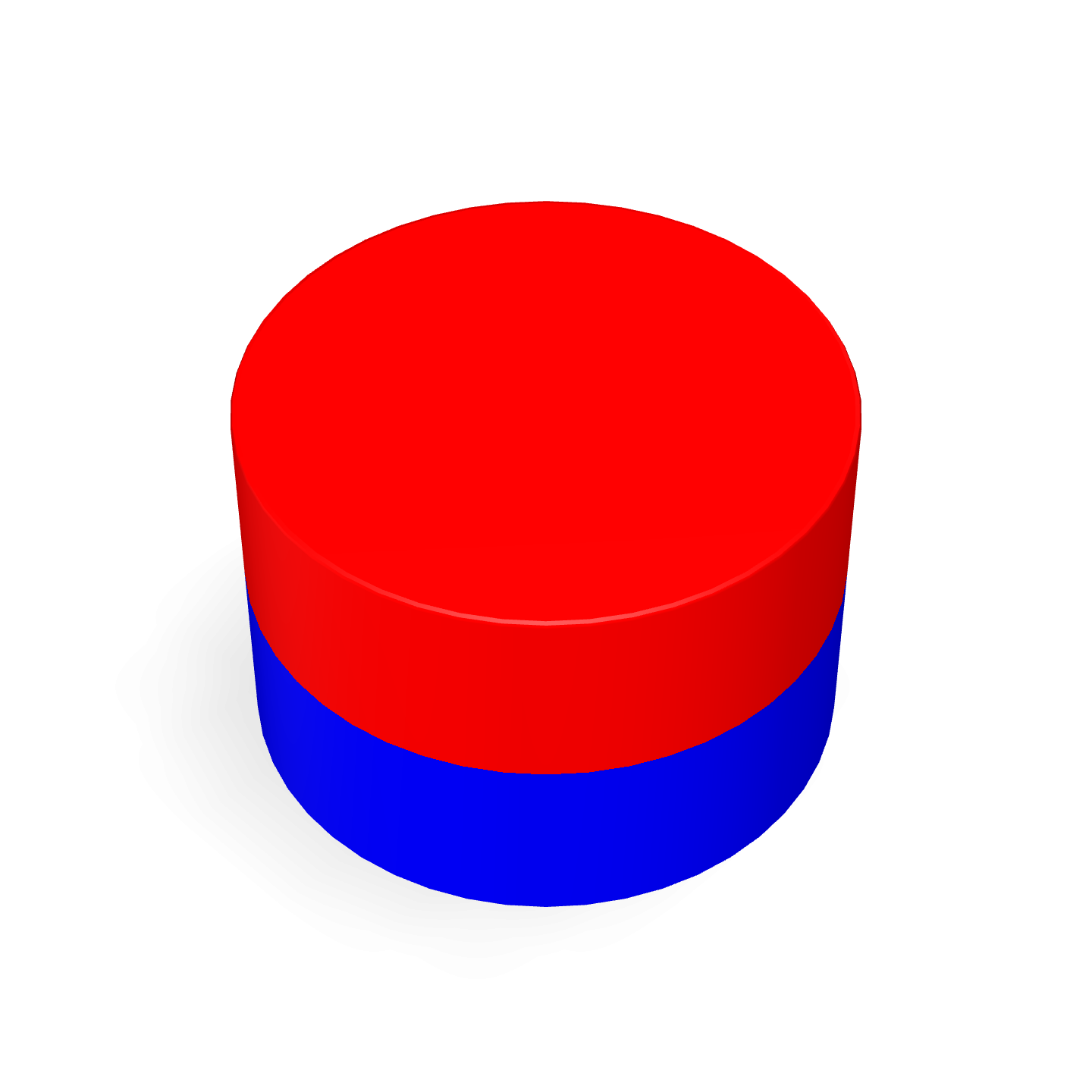
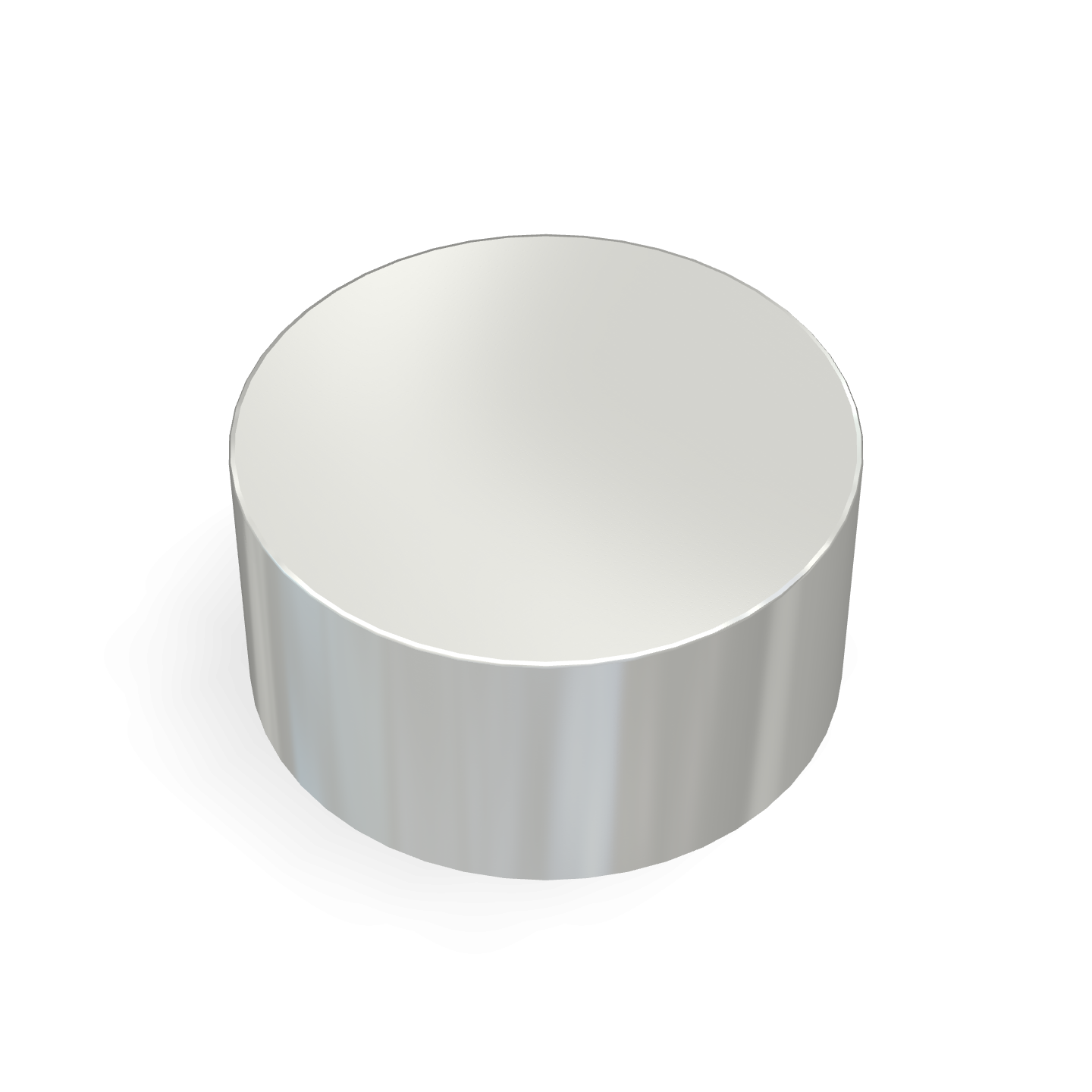
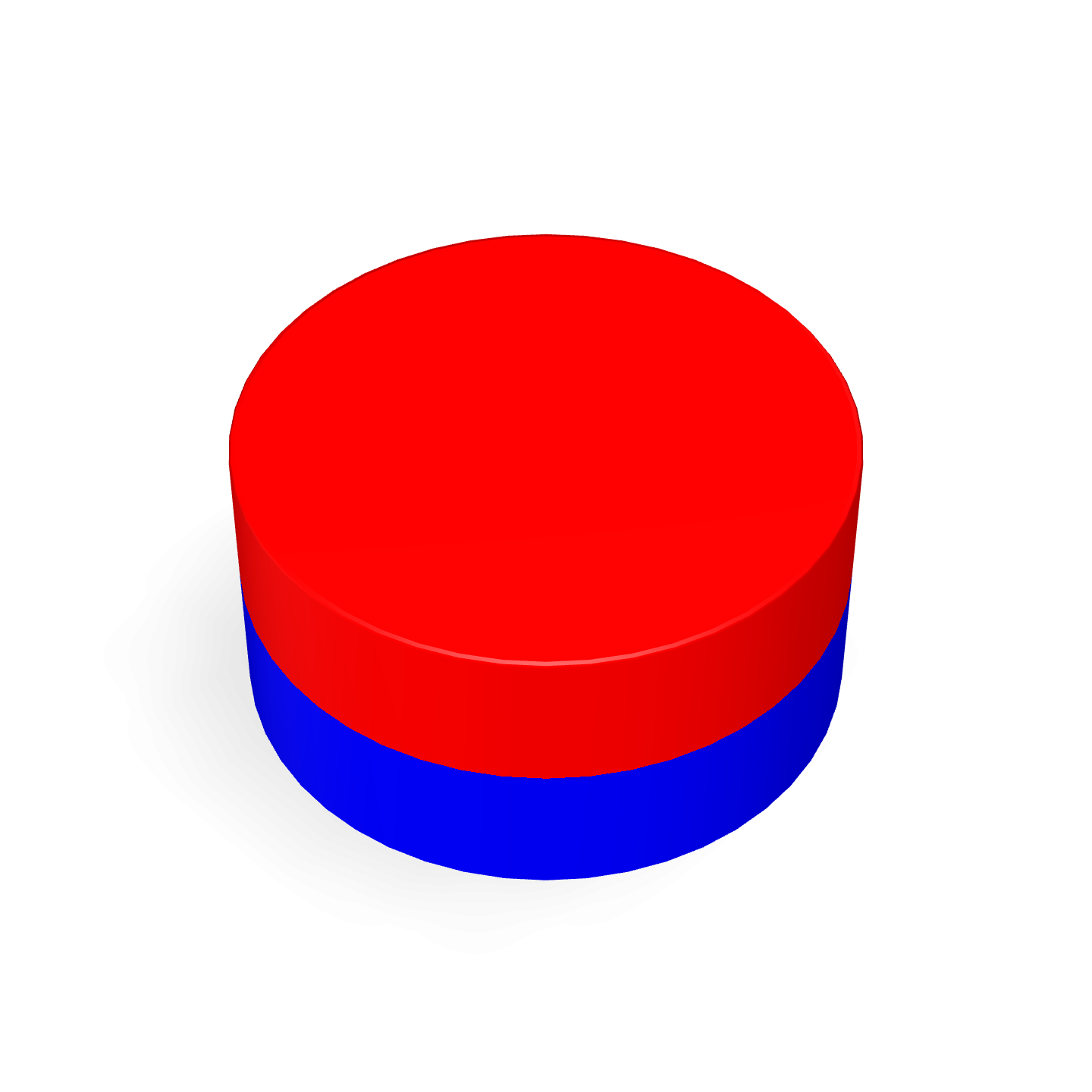
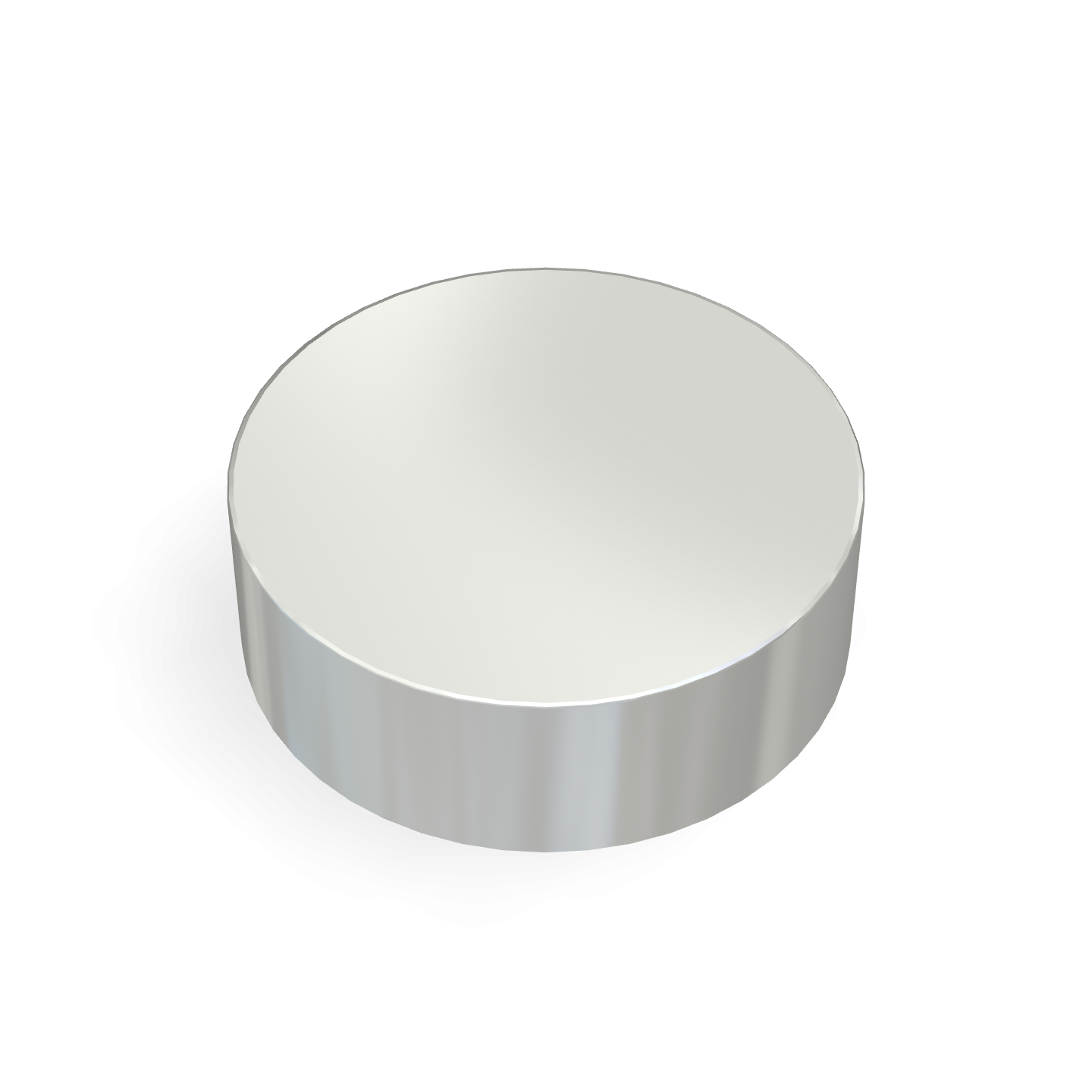
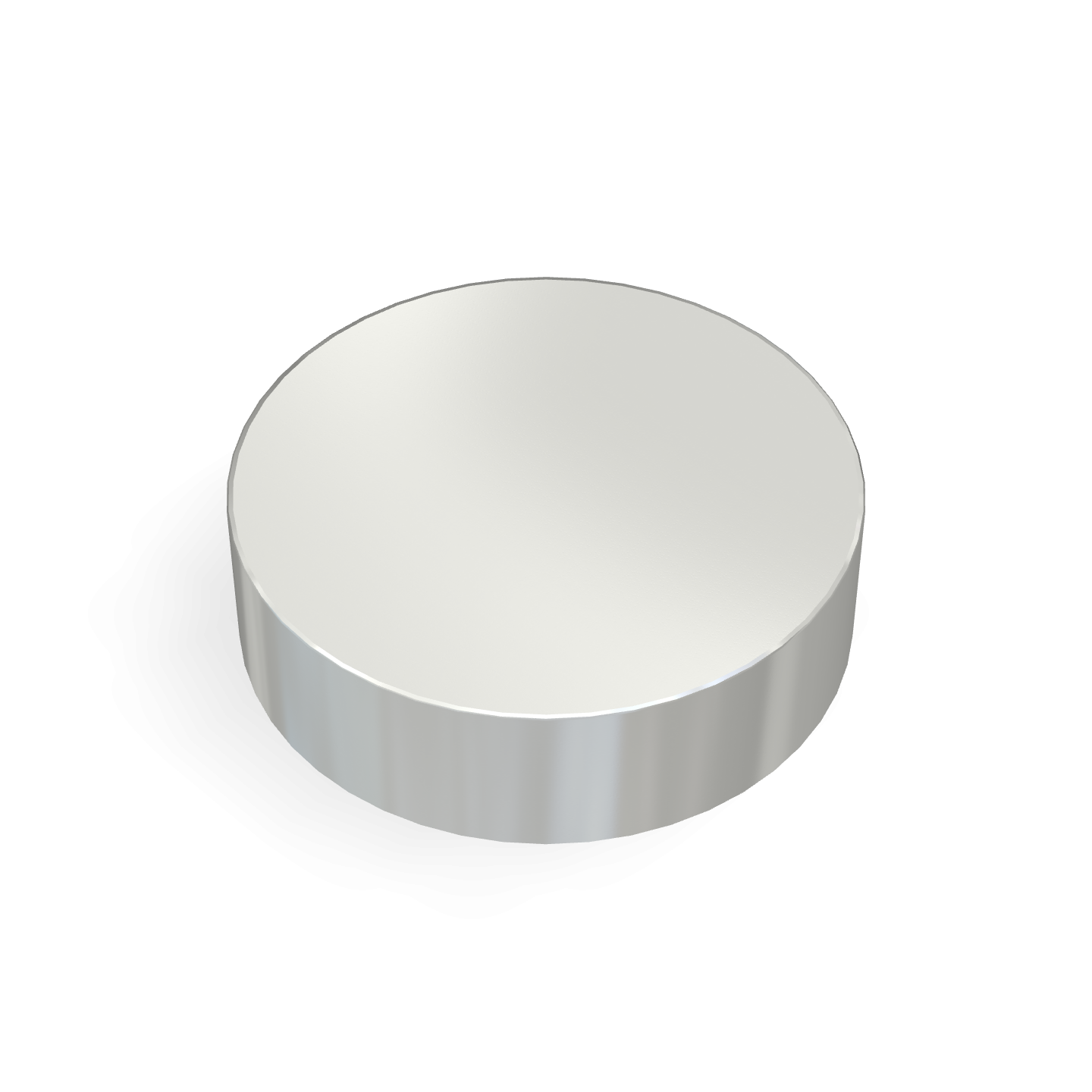
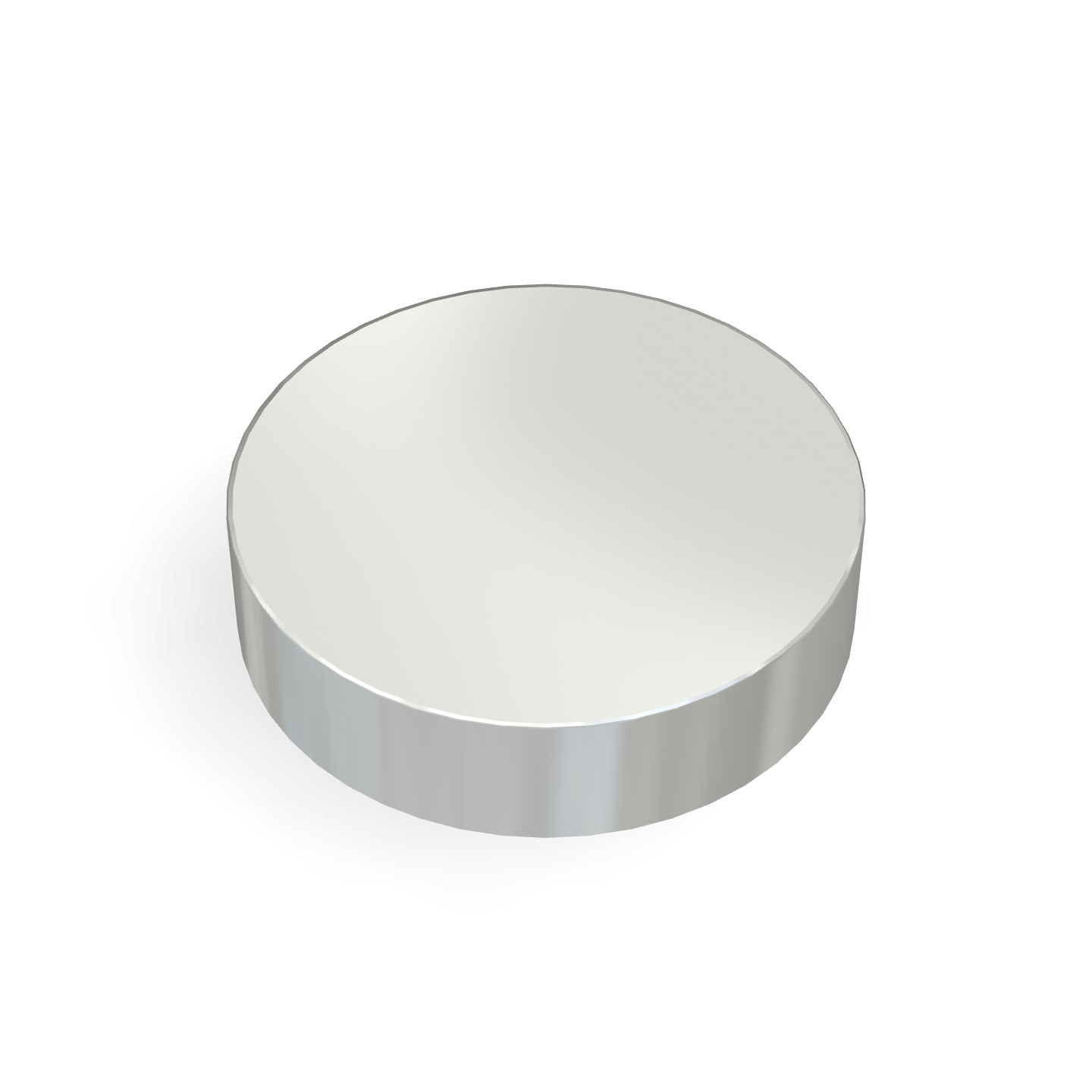
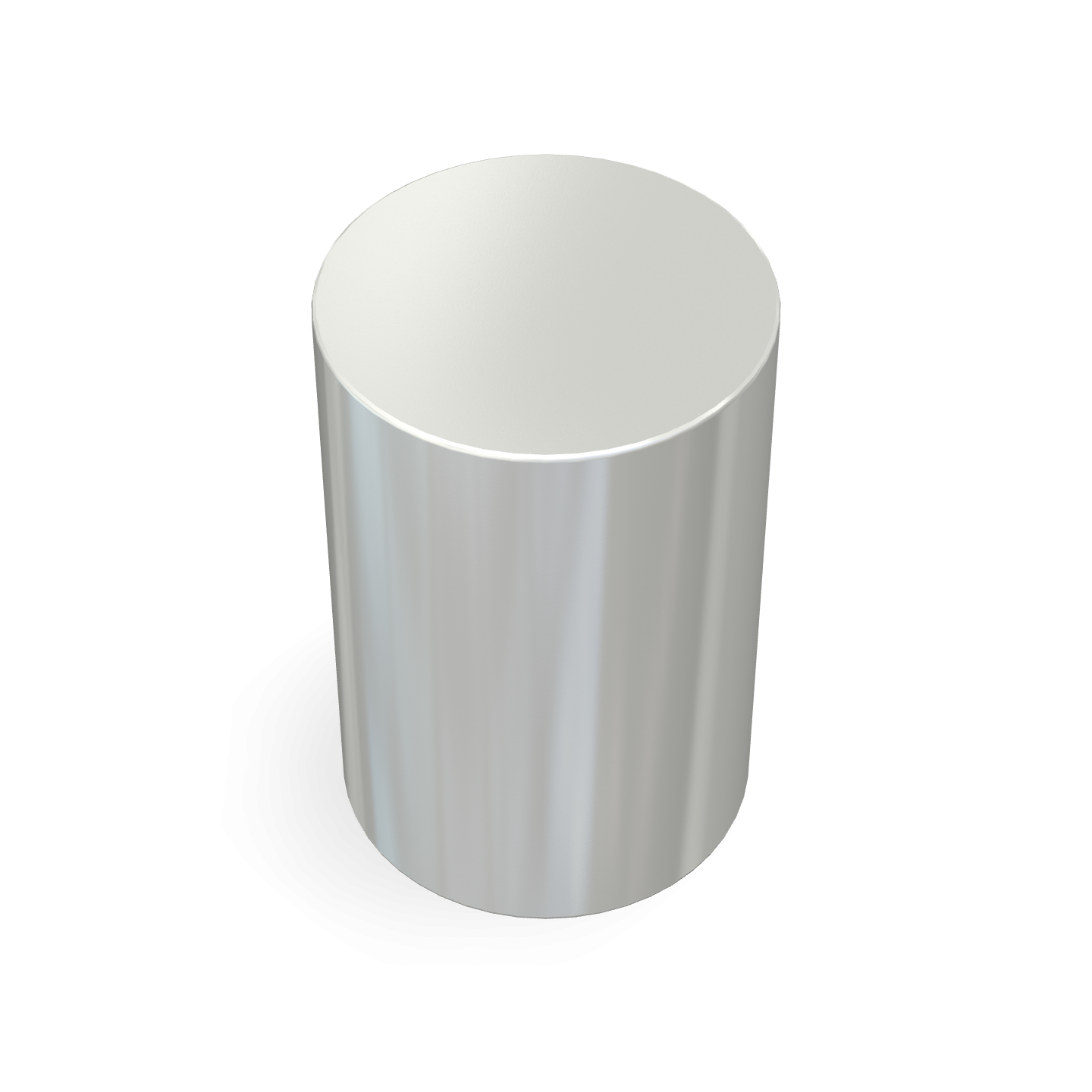
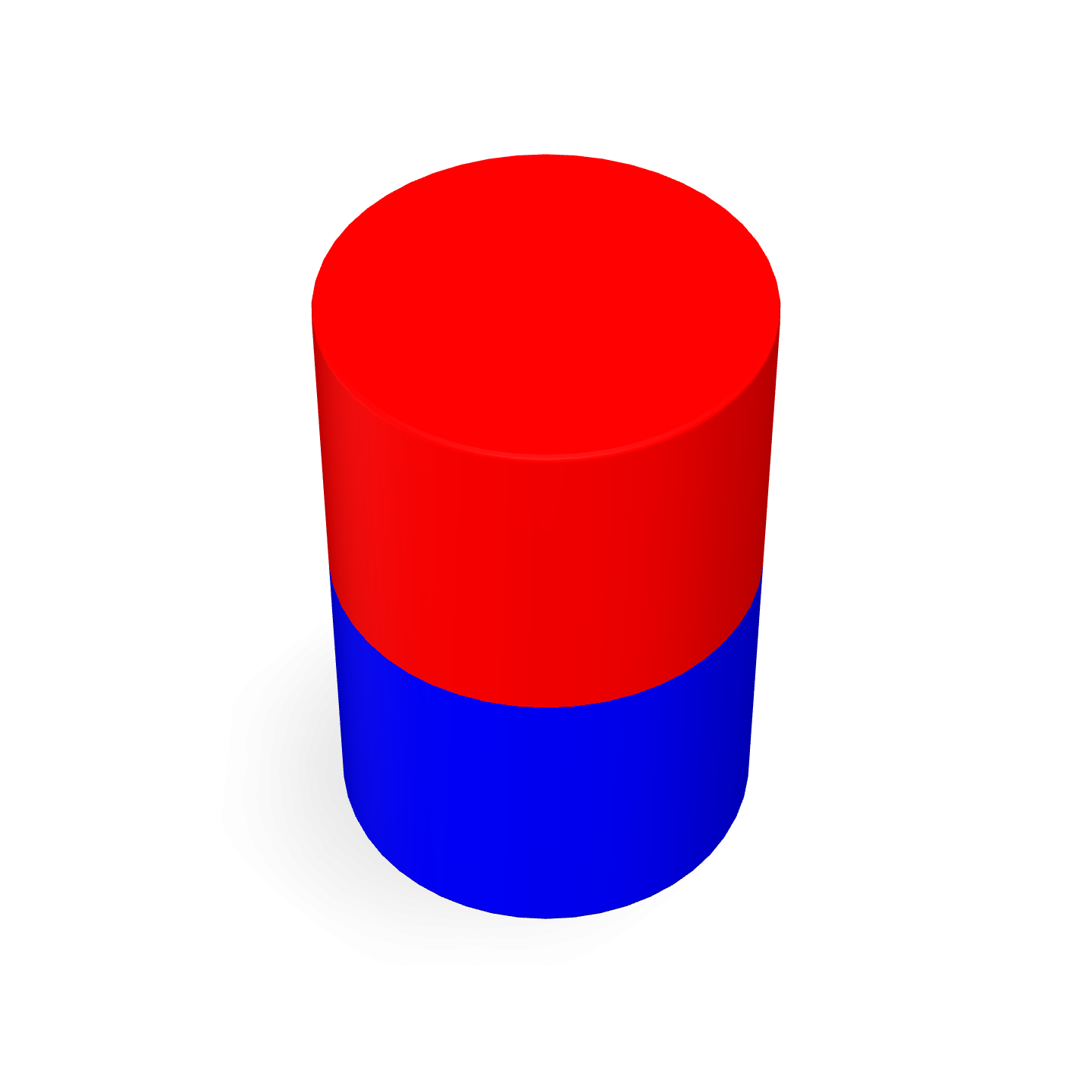
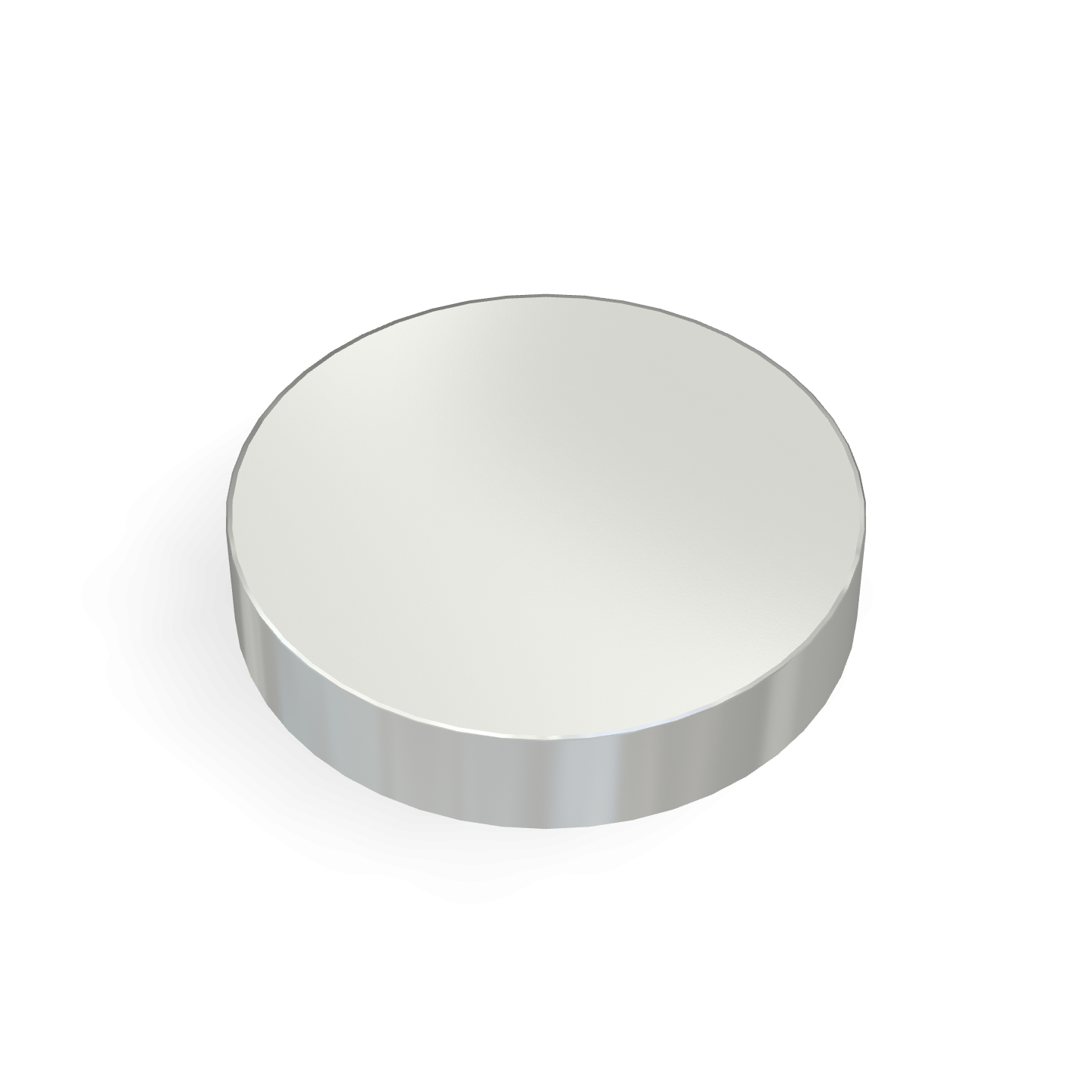
This is the dominant approach for hobbyists and makers: design a recessed pocket into your part, press-fit or epoxy a small neodymium disc or cylinder into it, and you have magnetic closures, modular panels, snap-fit assemblies, tabletop game pieces, or custom tool holders. The most popular sizes are 6x2 mm for general use, 8x3 mm for stronger holding power, and 10x2 mm for flat or thin-wall designs.
These sizes remain widely available, but unit prices have followed the broader commodity upward. The practical response is straightforward. Buy in larger quantities when you find stock at a good price. Small neodymium discs store well, as long as they are kept away from heat and strong opposing fields, and the per-unit price difference between a 10-pack and a 100-pack is significant. Match the grade to the application as well. Snap-fit lids and light closures work fine with N35. Reserving stronger and more expensive grades for applications that genuinely need them is worth the added design consideration. Standardizing your designs around common stocked sizes also reduces the cost and lead time associated with specialty orders.
One technical note worth keeping in mind: neodymium loses magnetic strength above roughly 80°C. If you print in a heated enclosure or your finished part will be near a heat source, factor that into your design before embedding magnets during a print pause.
Printing the magnet itself
This is where the technology is heading, and it is worth watching even if it is not practical for most users today. Researchers and advanced manufacturers are developing polymer-bonded NdFeB filaments, essentially magnetic powder suspended in a thermoplastic binder, that can be extruded on modified FDM printers. The part is printed first in its non-magnetized state and then magnetized in bulk after printing is complete.
The appeal is real: complex geometries that cannot be machined, custom field orientations, near-zero material waste, and the ability to reduce rare earth content per part as the technology matures. This will not displace sintered magnets for high-performance industrial work in the near term. For custom sensors, actuators, robotics components, and design prototypes, it is a compelling and increasingly credible direction.
There is also active research into rare-earth-free printed magnets using manganese-based alloys. Raw magnetic performance still lags behind NdFeB, but the supply chain argument for them has become a lot more interesting in 2026 than it was two years ago.
N35 handles most light closures and snap-fits. N42 is the all-purpose workhorse for tool holders and modular assemblies. N52 is worth the premium only for applications where you need maximum pull force and cannot increase the magnet footprint. Designing to N42 by default and stepping up only when needed keeps material costs under control.
The Supply Chain Is Being Rebuilt, But Slowly
The world is not passively accepting this degree of supply concentration. New magnet manufacturing and rare earth processing facilities came online in 2025 in the United States, Estonia, and several other countries. In the US, the Department of Defense invested $400 million in MP Materials, which opened a full-scale NdFeB magnet plant in Fort Worth, Texas. Rare earth recycling operations are scaling in North America, recovering neodymium, praseodymium, terbium, and dysprosium from end-of-life EV motors, electronics, and industrial scrap. Separation technology, which is the processing step China currently dominates, is being developed across multiple Western jurisdictions.
For industrial buyers, non-Chinese origin certification, ESG compliance, and supply chain traceability are becoming procurement requirements rather than preferences. The supplier base to meet that demand is building, but it is building slowly. Most meaningful new capacity is still years from reaching commercial scale.
For smaller buyers, prices will likely normalize at some point. The honest answer is that nobody knows when, and the near-term indicators do not suggest a rapid reversal.
China's suspension of its second wave of rare earth export controls expires on this date. Both sides entered the one-year pause knowing they would need to renegotiate. Whether the controls are reinstated, extended, or replaced with something new will directly affect magnet prices heading into 2027. For anyone making significant purchasing decisions in the second half of 2026, this date is worth planning around.
Frequently Asked Questions
Questions we hear regularly from trades, makers, and procurement contacts.
Why are neodymium magnet prices so high right now?
Which magnet grade should I use for trade tools and jobsite applications?
What magnet sizes work best for 3D printing projects?
Will neodymium magnet prices come down?
What is the difference between sintered and bonded neodymium magnets?
How should I store neodymium magnets to keep them at full strength?
Questions about grades, formats, or volume pricing?
Our team works with trades professionals, makers, and industrial buyers. Tell us what you need and we will sort out the rest.
Contact Magfine