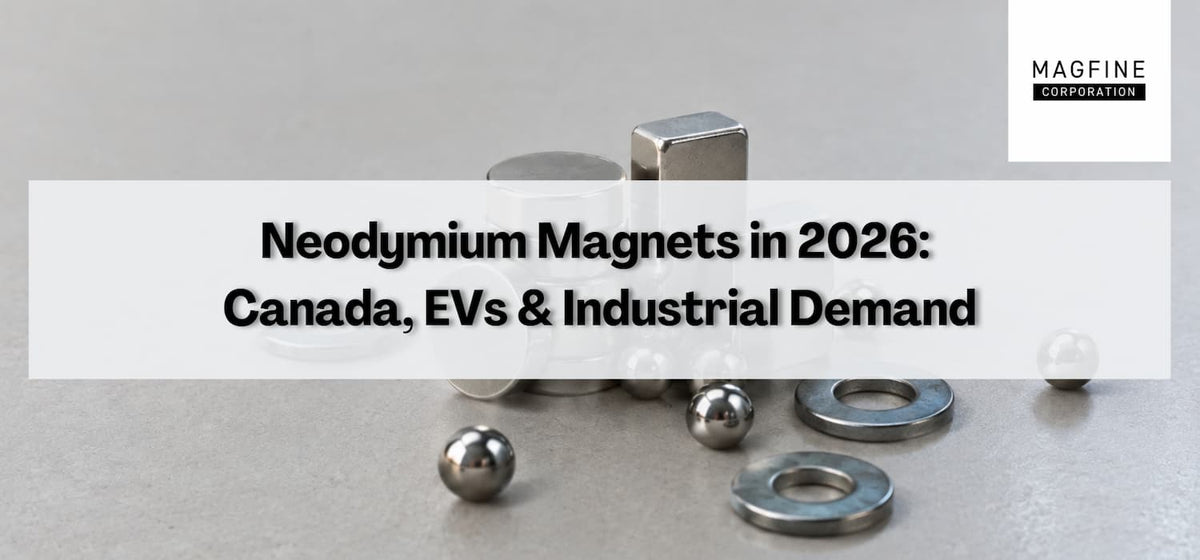
Neodymium Magnets in 2026: Why EVs, Robotics and Industrial Automation Are Driving Demand in Canada
- Neodymium magnets (NdFeB) are essential to EV motors, robotics, automation and precision sensors because they deliver high magnetic strength in a compact footprint.
- Canada is placing growing emphasis on critical minerals and rare earth supply chain resilience as demand for permanent magnets increases across electrification and automation.
- Export restrictions introduced in 2025 are a reminder that rare earth availability isn't guaranteed. Procurement teams should understand where their magnets are actually made.
- The strongest available grade (like N52) isn't automatically the right choice. Temperature, geometry, coating and tolerance usually matter more than the number stamped on the magnet.
- Qualifying a reliable neodymium magnet supplier in Canada early, and matching specification to application, reduces both cost and supply risk.
Neodymium magnets have become an important part of modern industrial technology. From electric vehicle motors and robotics to automation equipment, sensors and precision assemblies, these compact permanent magnets deliver high magnetic strength in applications where size and performance matter.
For Canadian manufacturers, though, the conversation around neodymium magnets is becoming about more than magnetic strength. Supply chain security, rare earth availability, production capacity, export controls and supplier qualification now carry real weight when sourcing NdFeB magnets.
In 2026, the global permanent magnet supply chain remains under close attention. Canada is also placing greater emphasis on critical minerals and the development of more resilient supply chains for rare earth elements and permanent magnets.
What Are Neodymium Magnets?
Neodymium magnets are permanent magnets made primarily from neodymium, iron and boron. They are commonly referred to as NdFeB magnets, which stands for neodymium-iron-boron.
NdFeB magnets are part of the rare earth magnet family and are known for their high magnetic energy product compared with many other permanent magnet materials. This allows engineers to achieve strong magnetic performance from relatively small components.
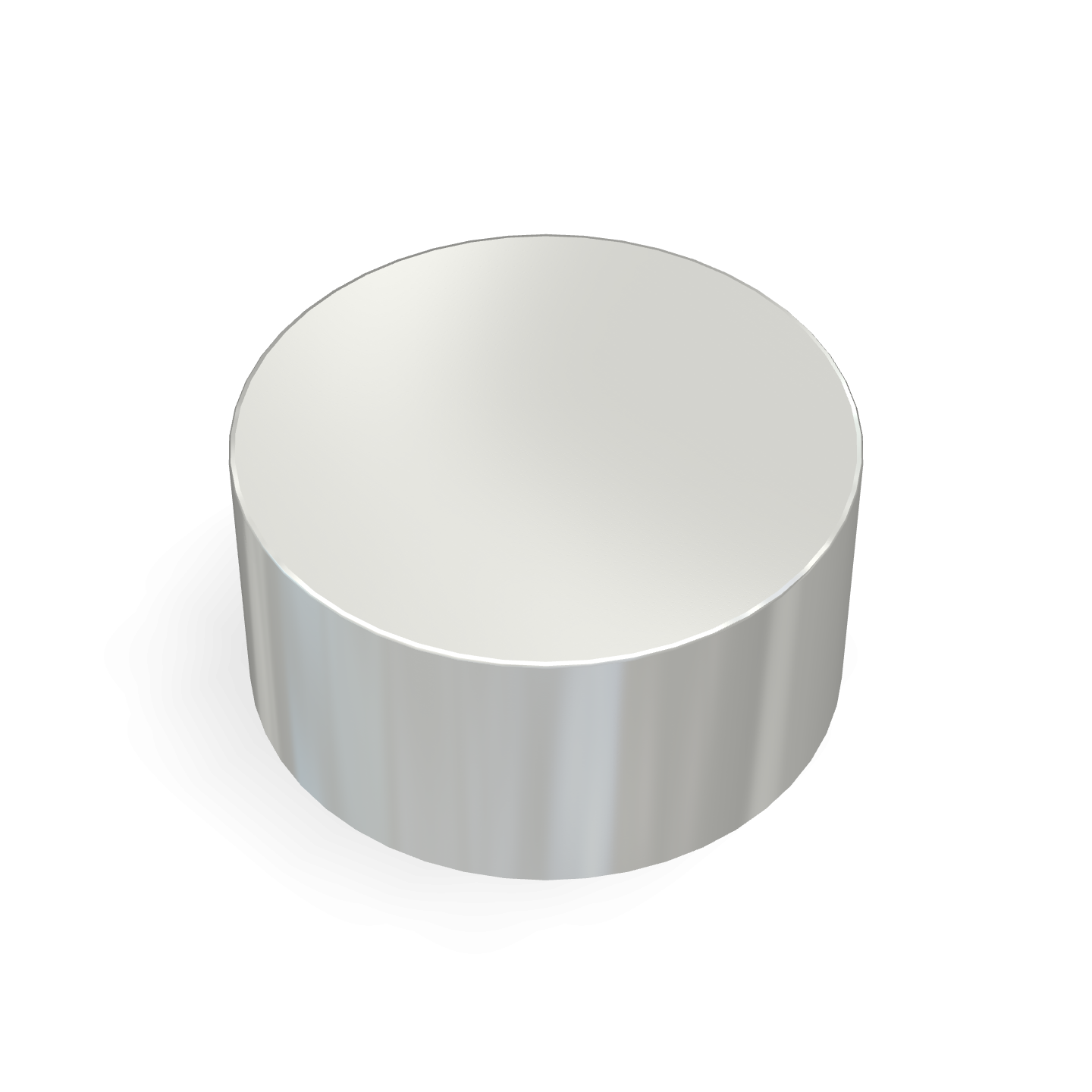
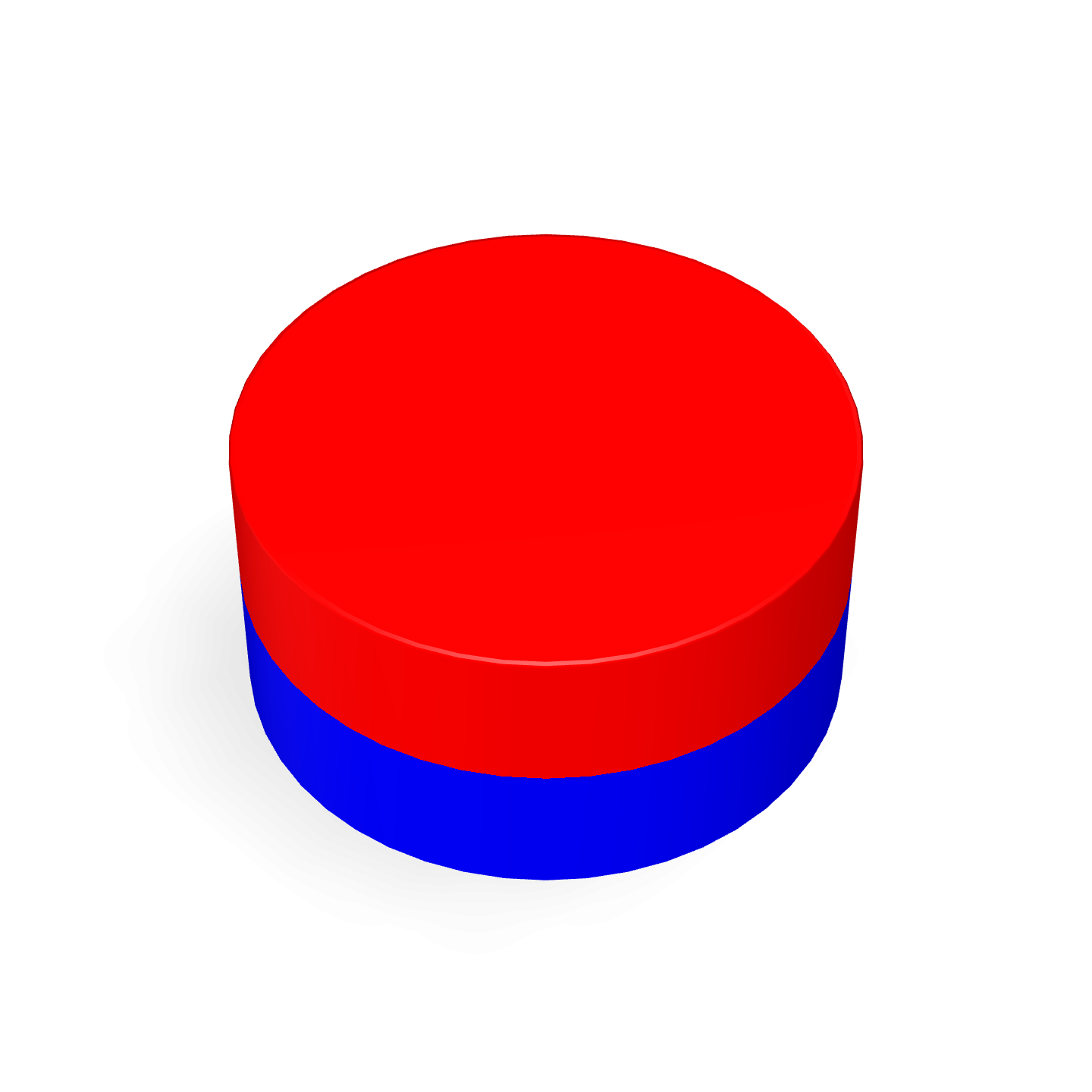
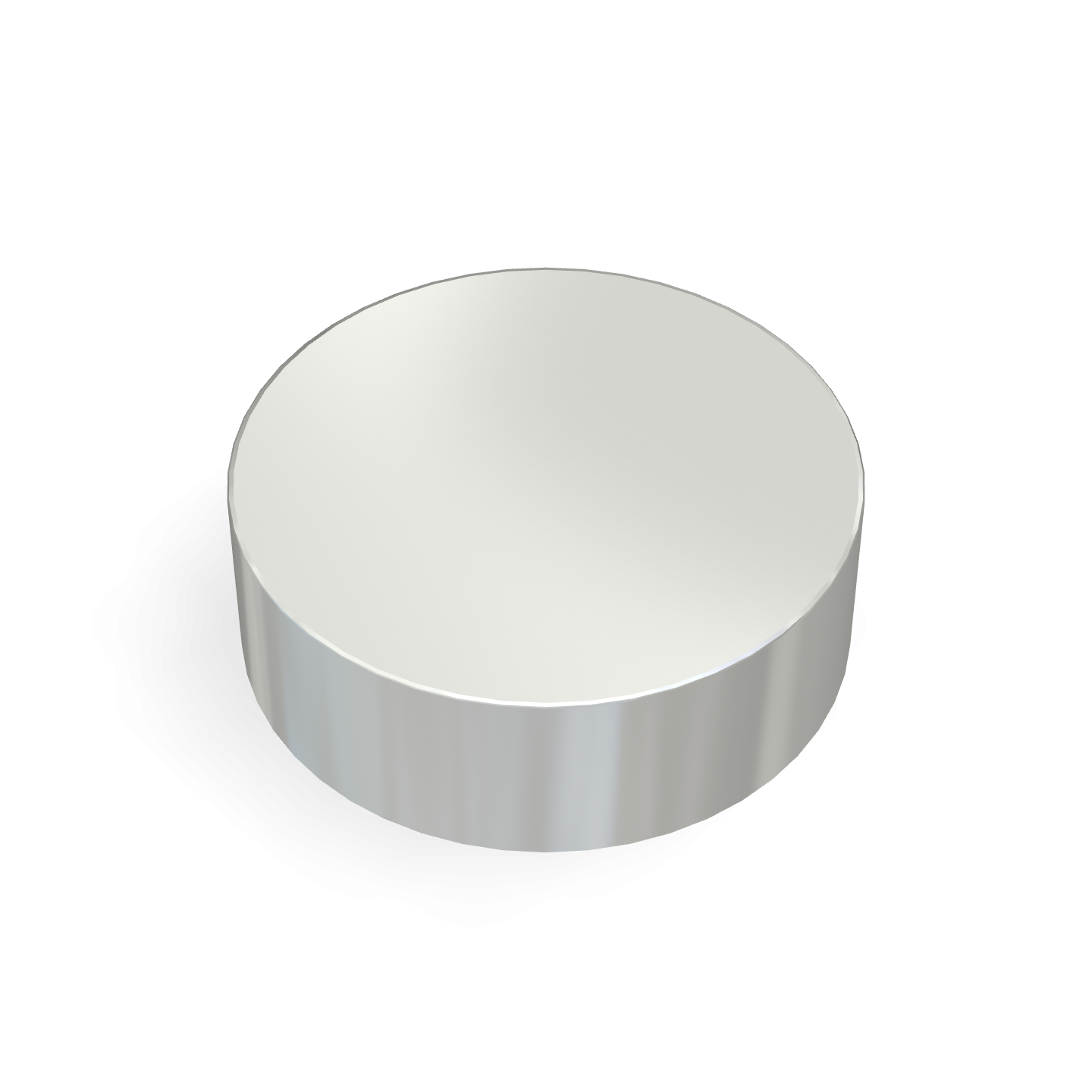
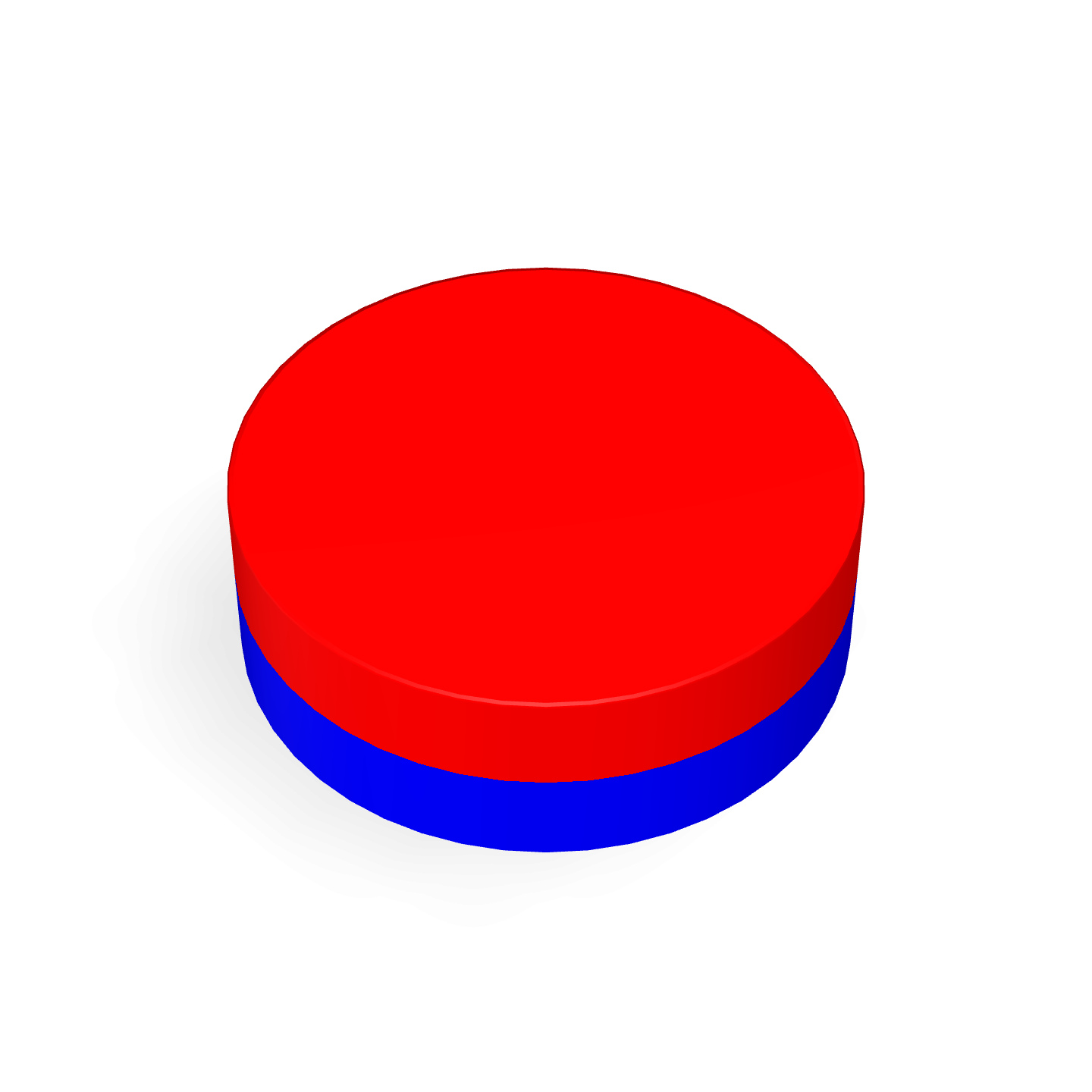
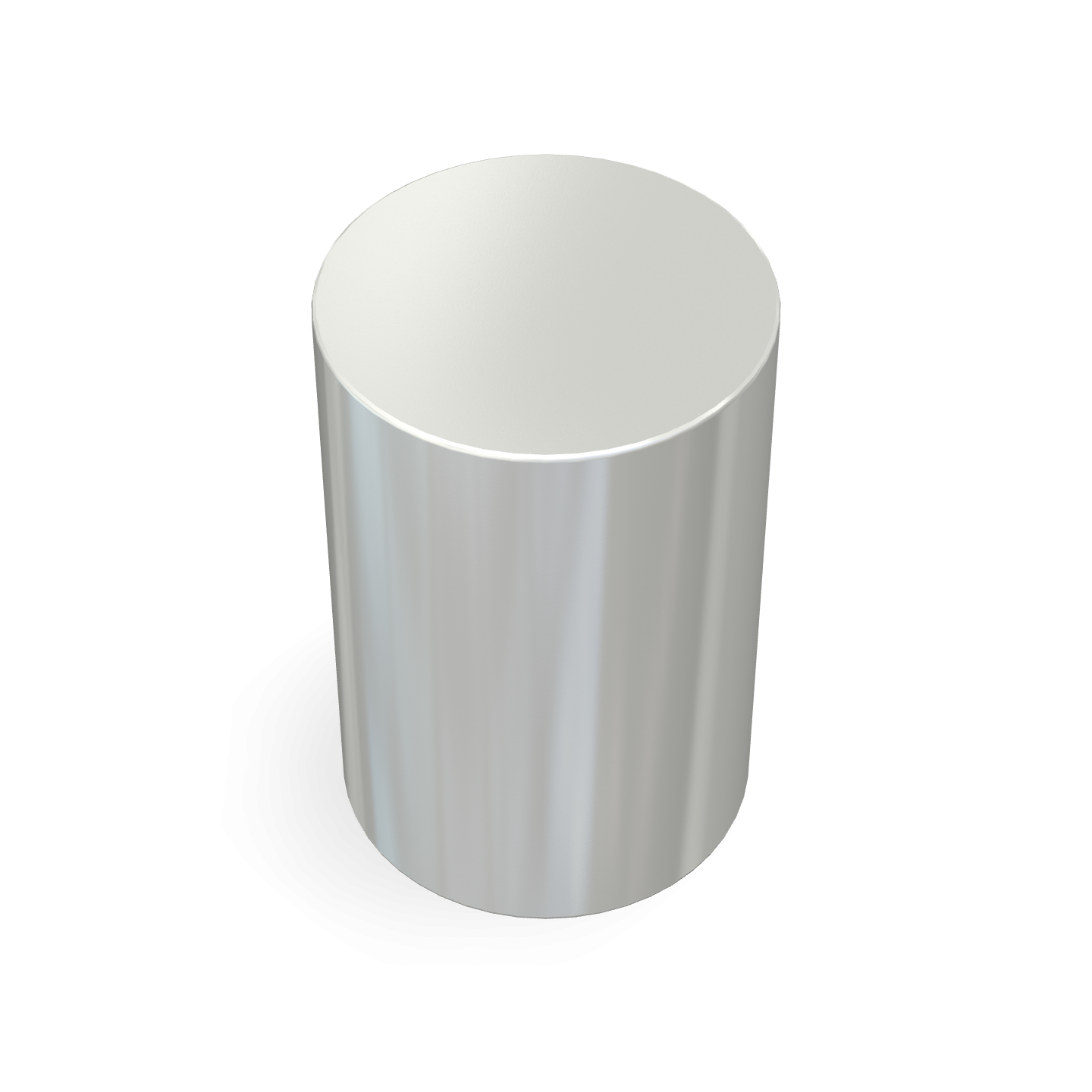
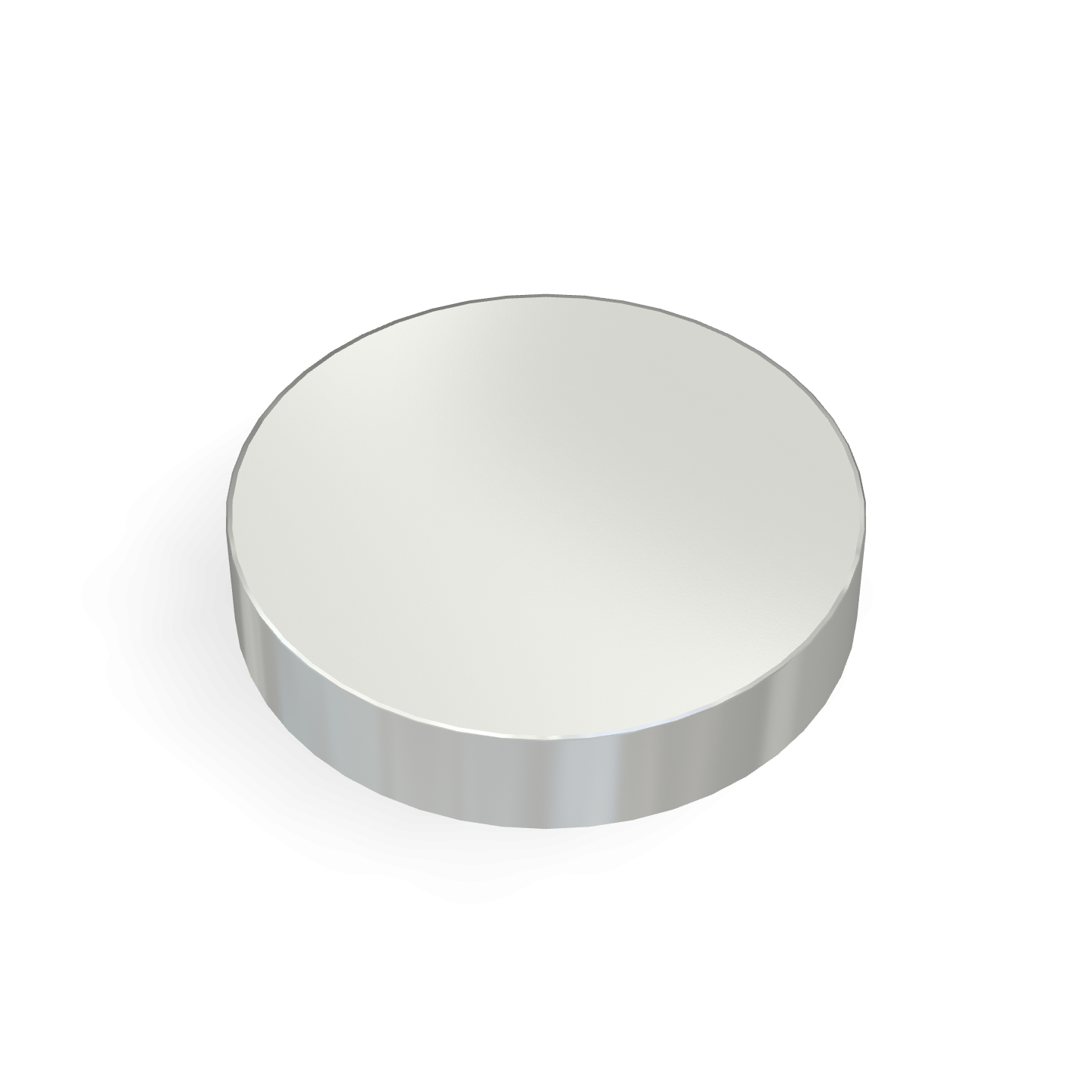
Commercial neodymium magnets are available in a wide range of grades, sizes, shapes and coatings, including disc, block, ring and arc configurations. Common grades include N35, N38, N40, N42, N45 and N52, with additional temperature-rated grades such as N35H, N42SH and other H, SH, UH and EH classifications.
The correct grade is not necessarily the strongest available grade. Magnet selection depends on the operating temperature, geometry, required magnetic performance, available space and the conditions in which the magnet will be used.
Why Are Neodymium Magnets Important in 2026?
Several major industrial trends are increasing demand for high-performance permanent magnets. Electric vehicles, industrial automation, robotics, renewable energy equipment and increasingly compact electromechanical systems all rely on permanent magnet technology.
Electric Vehicles
Electric vehicle traction motors are one of the most important applications for high-performance permanent magnets. Permanent magnet motors can provide high power density and efficiency, making them attractive where engineers need strong performance from a relatively compact motor.
As EV adoption continues to expand, demand for the rare earth materials and permanent magnets used in these systems remains an important part of the global supply chain discussion.
Robotics and Automation
Industrial magnets can also be used in sensors, position detection systems, magnetic couplings, holding assemblies and other automated equipment. Robotics and industrial automation require compact, efficient motors and actuators.
The continued development of factory automation means magnets are increasingly being incorporated into smaller and more sophisticated assemblies. In these applications, engineers often need to balance magnetic strength with dimensions, temperature resistance, coating requirements and cost.
Industrial Motors and Machinery
Permanent magnet motors are used across industrial equipment where efficiency, size and controllability are important. Depending on the application, neodymium magnets may be used in motors, generators, magnetic couplings and other rotating assemblies.
This is one reason permanent magnets remain strategically important beyond the consumer market. They are components in the machinery used to manufacture, automate and move products across a wide range of industries.
Sensors and Precision Equipment
Neodymium magnets are also widely used in sensors and precision mechanisms. Their high magnetic strength allows designers to create compact magnetic targets, switches, position-sensing components and mechanical holding solutions.
For these applications, consistency can be just as important as maximum magnetic strength. Dimensions, tolerances, surface condition and magnetic orientation can all affect the performance of the final assembly.
Why Canada's Neodymium Magnet Supply Chain Matters
Canada has increased its focus on critical minerals, including rare earth elements used in permanent magnets. The Canadian government identifies permanent magnets as an important part of the rare earth value chain, which extends from raw material extraction through processing, alloy production and magnet manufacturing.
A finished magnet represents only one stage of a much larger supply chain. Manufacturing a reliable NdFeB component requires raw materials, processing, magnet production, machining, coating, magnetization, inspection and logistics all working together. That's why who makes the magnet matters just as much as who sells it.
Canada is also developing domestic capabilities within the rare earth value chain. At the same time, Canadian manufacturers continue to rely on global suppliers for many magnet requirements, which is why supplier qualification and supply chain planning matter so much for buyers.
Rare Earth Supply Chains and Neodymium Magnets
Rare earth elements are not rare in the simple geological sense, but producing commercially useful materials requires significant processing and refining infrastructure. The supply chain is therefore more complicated than simply finding a source of ore.
Neodymium magnets require rare earth elements such as neodymium and, depending on the grade and application, other elements that improve high-temperature performance. Global production and processing remain concentrated in a relatively small number of countries, and this concentration has become a major consideration for manufacturers that depend on permanent magnets.
Export restrictions introduced in 2025 showed how quickly changes in trade policy can affect the availability and movement of rare earth materials and permanent magnets. That doesn't mean every order will hit a problem, but procurement teams should know exactly where their magnets are manufactured and what risk exists between production and delivery.
What Does This Mean for Canadian Manufacturers?
For companies sourcing neodymium magnets in Canada, price is only one part of the purchasing decision. A low unit price does not provide much value if the supplier cannot maintain consistent quality, production capacity or delivery schedules.
Manufacturers should consider several factors when qualifying a neodymium magnet supplier in Canada:
- Where the magnets are manufactured
- Where the raw materials and magnetic materials originate
- Available production capacity
- Standard and custom grades available
- Temperature performance
- Coating options
- Dimensional tolerances
- Magnetization and magnetic orientation
- Quality documentation and inspection capabilities
- Lead time and inventory availability
- Ability to support production forecasts and repeat orders
Should You Always Choose the Strongest Neodymium Magnet?
Not necessarily. One of the most common mistakes when selecting neodymium magnets is assuming a higher grade is automatically better.
For example, N52 provides a higher maximum energy product than N35, but that does not mean N52 is the correct choice for every application. If the design already meets its magnetic requirements with N35 or N42, moving to a higher grade may increase cost without providing a meaningful benefit.
Engineers should evaluate the complete application rather than picking a grade based on the number printed on the magnet. Matching grade to actual requirement is usually the single easiest way to control landed cost on a magnet program.
Important considerations include:
- Magnetic grade: Determines the available magnetic performance.
- Operating temperature: Higher-temperature applications may require H, SH, UH or other temperature-rated grades.
- Geometry: Diameter, thickness, air gap and contact area can significantly affect actual performance.
- Coating: The environment may determine whether nickel, epoxy, polyimide or another coating is appropriate.
- Tolerances: Precision assemblies may require tighter dimensional control.
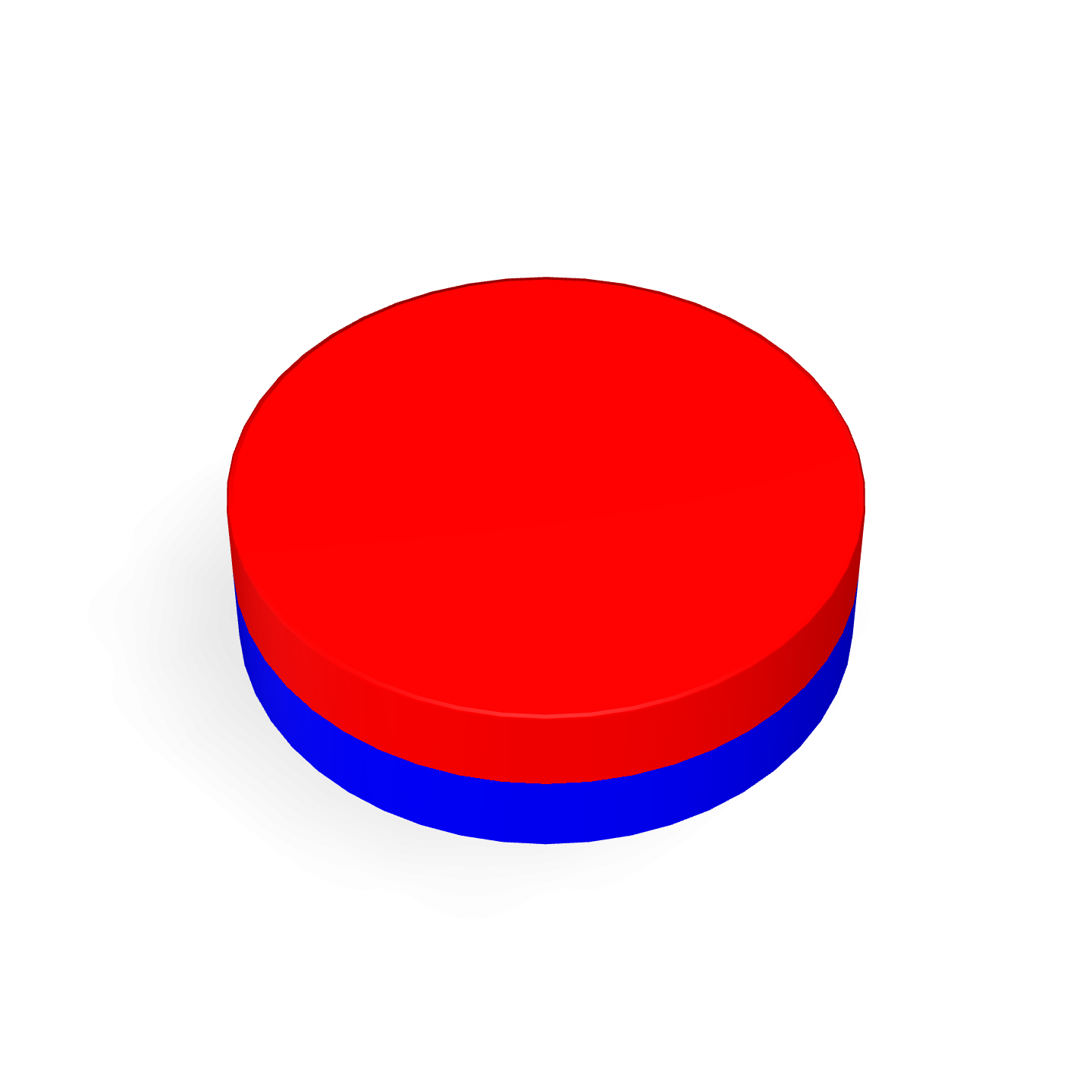
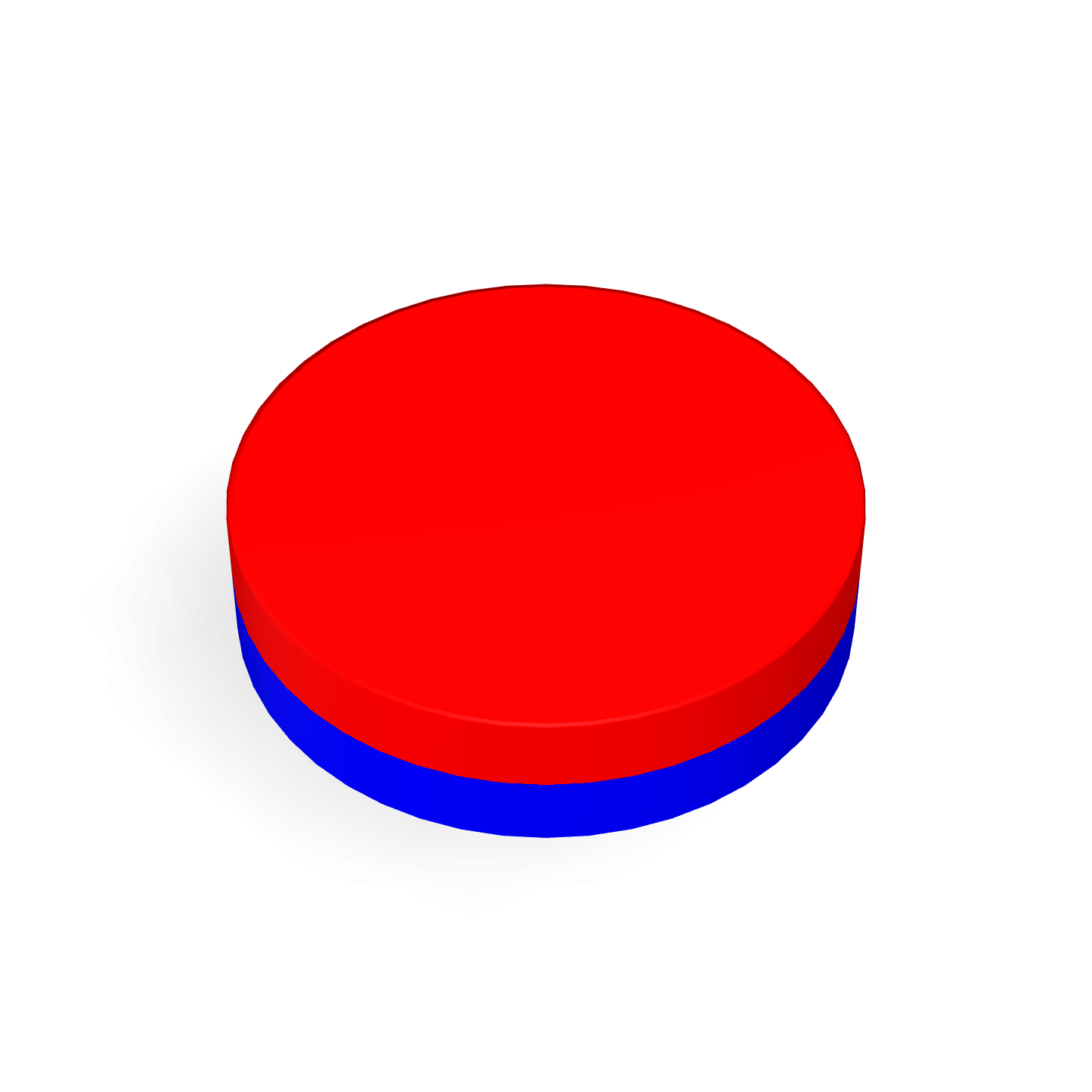
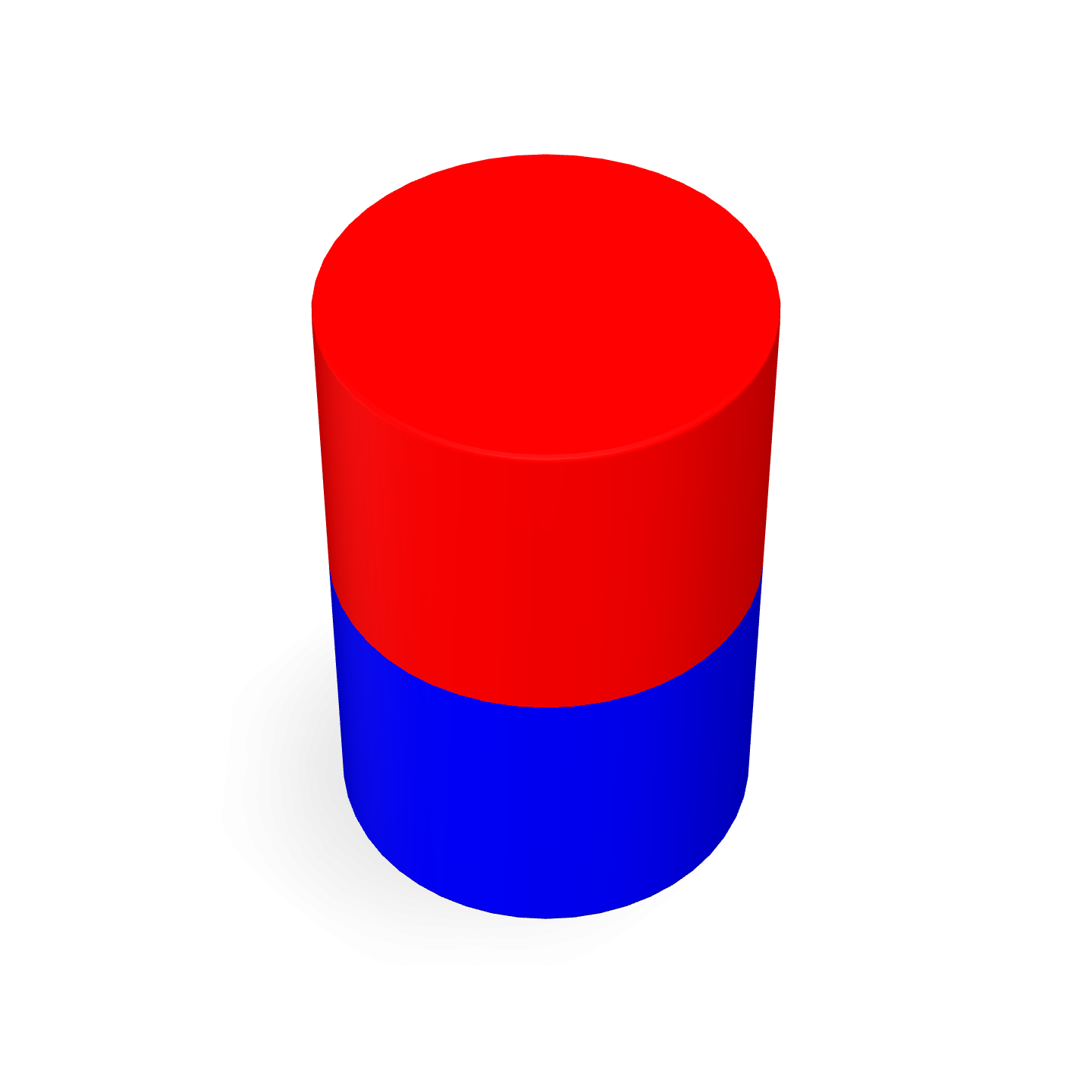
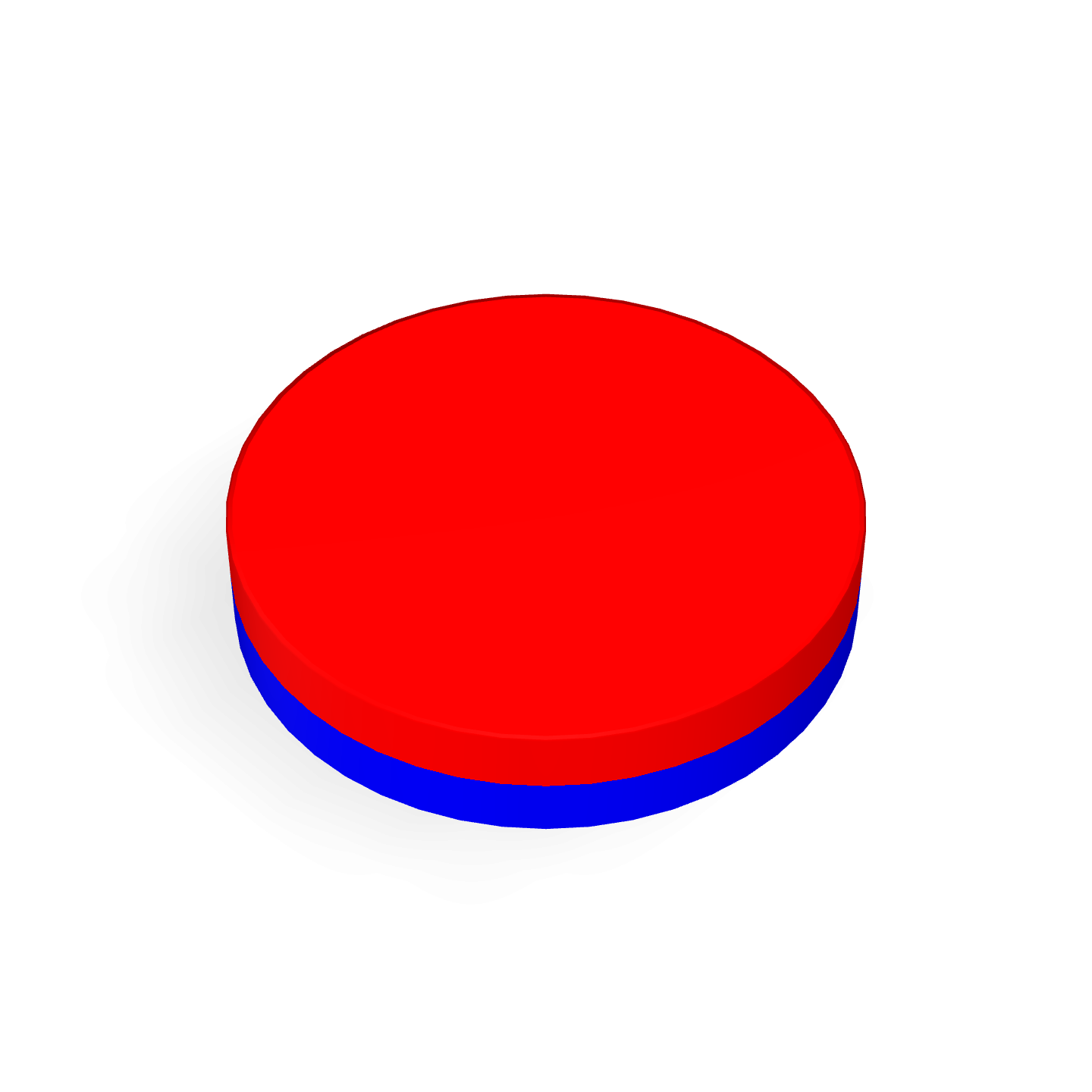
- Magnetization: Axial, diametric, radial and multipole configurations can be required depending on the assembly.
Neodymium Magnet Shape Matters
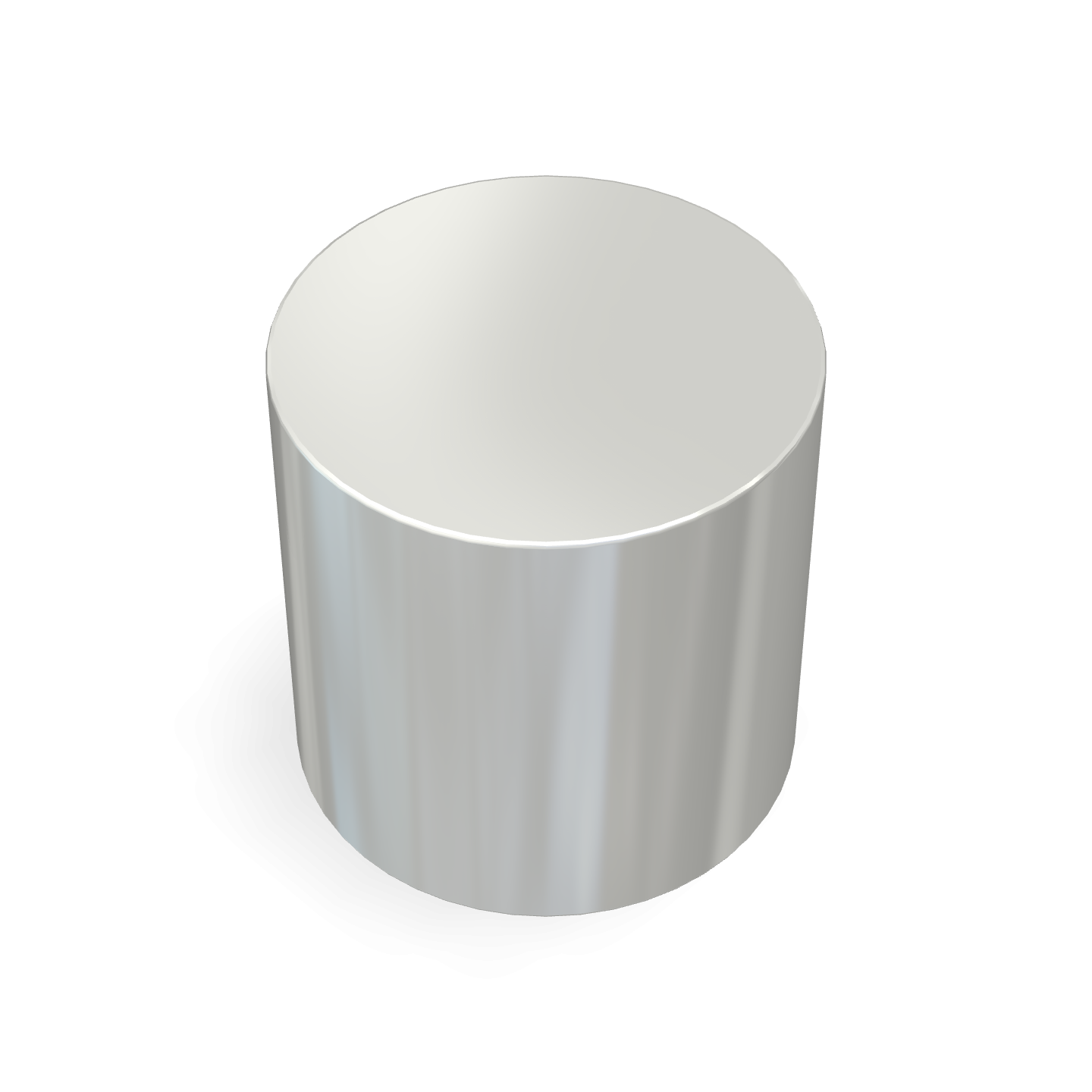
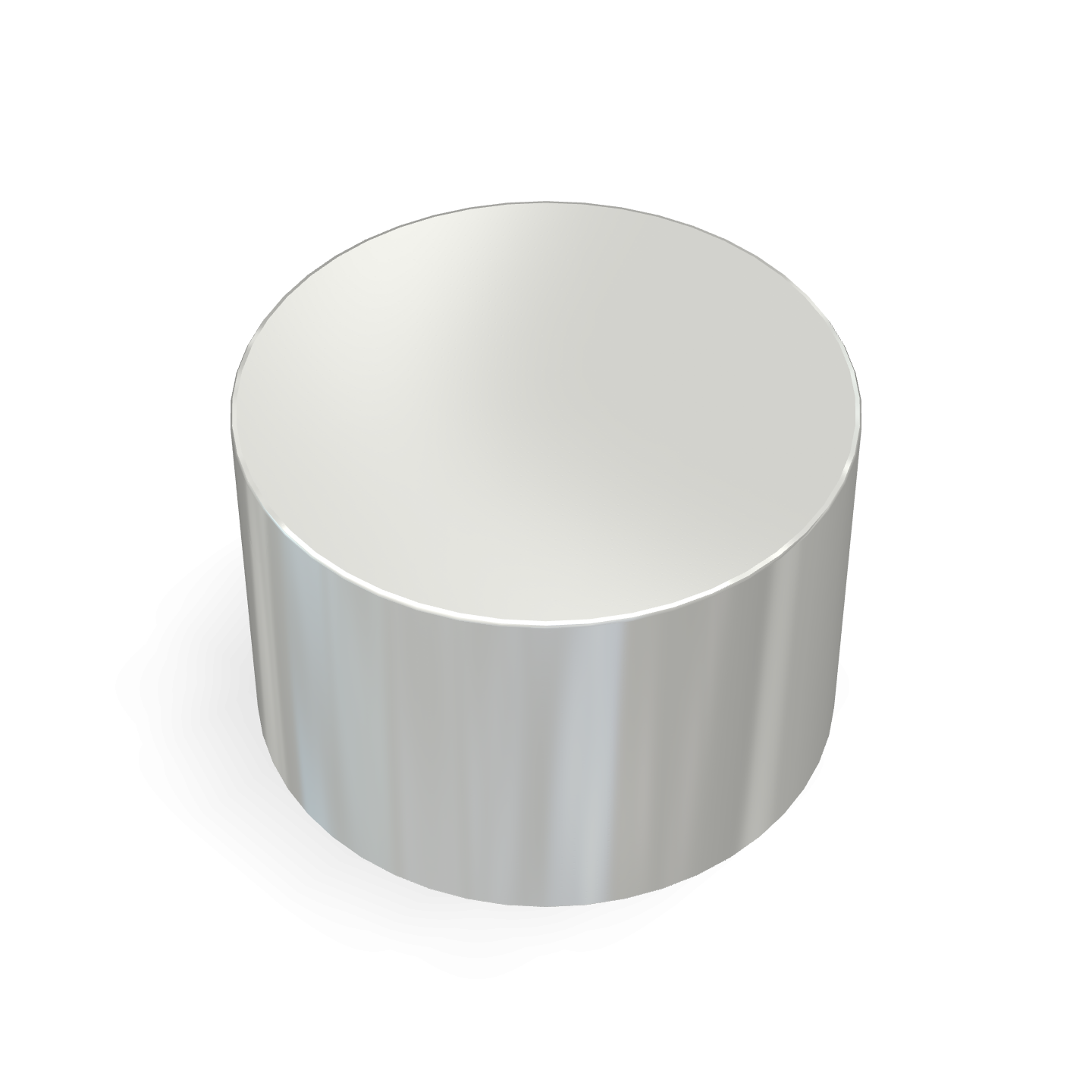
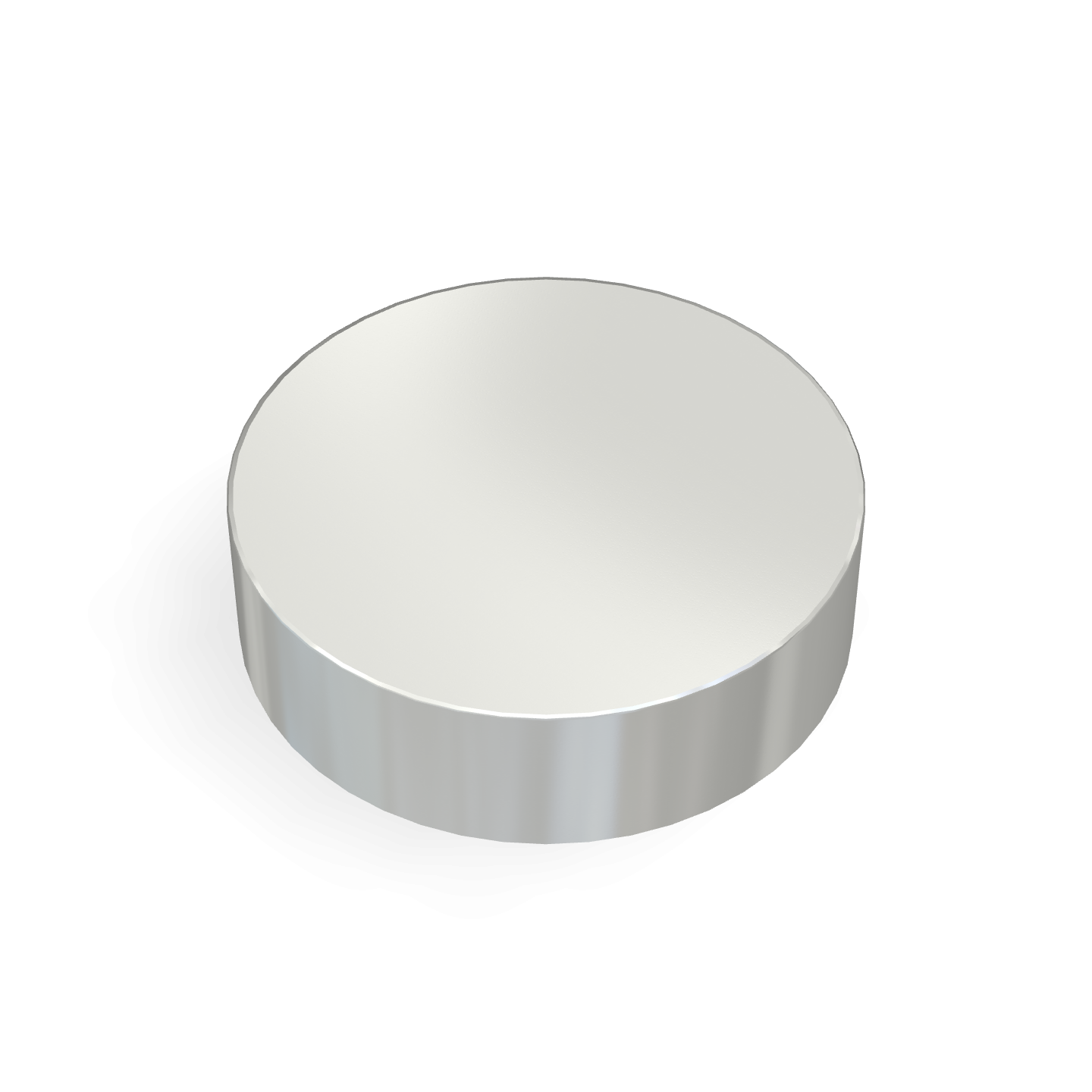
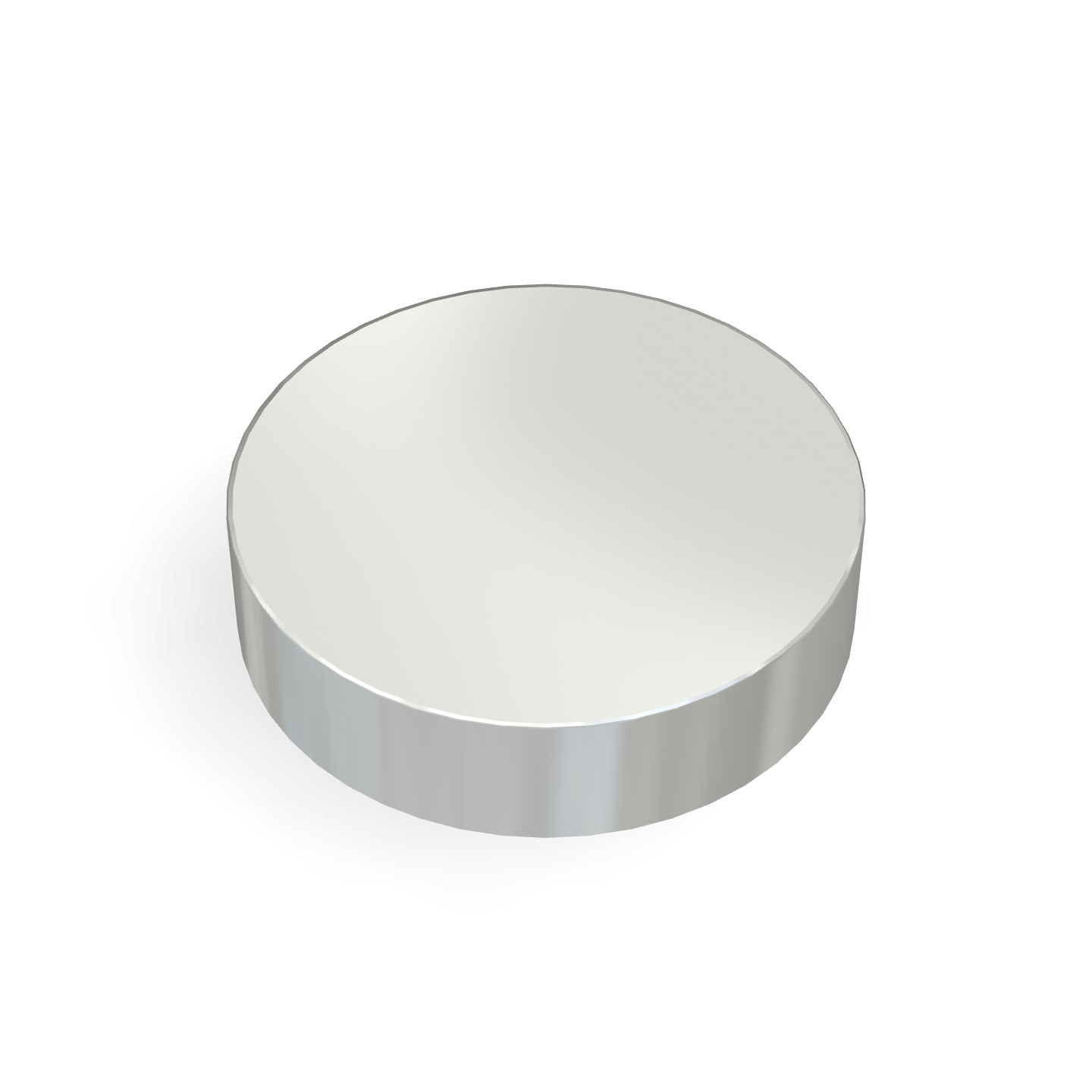
Neodymium magnets are available in many different geometries, including discs, blocks, rings, arcs, countersunk magnets and custom shapes.
The shape is often determined by the mechanical design rather than magnetic requirements alone. A countersunk magnet, for example, can be mechanically secured with a screw. An arc magnet can be incorporated into a motor rotor or stator assembly. A ring magnet may be selected when a central opening is required.
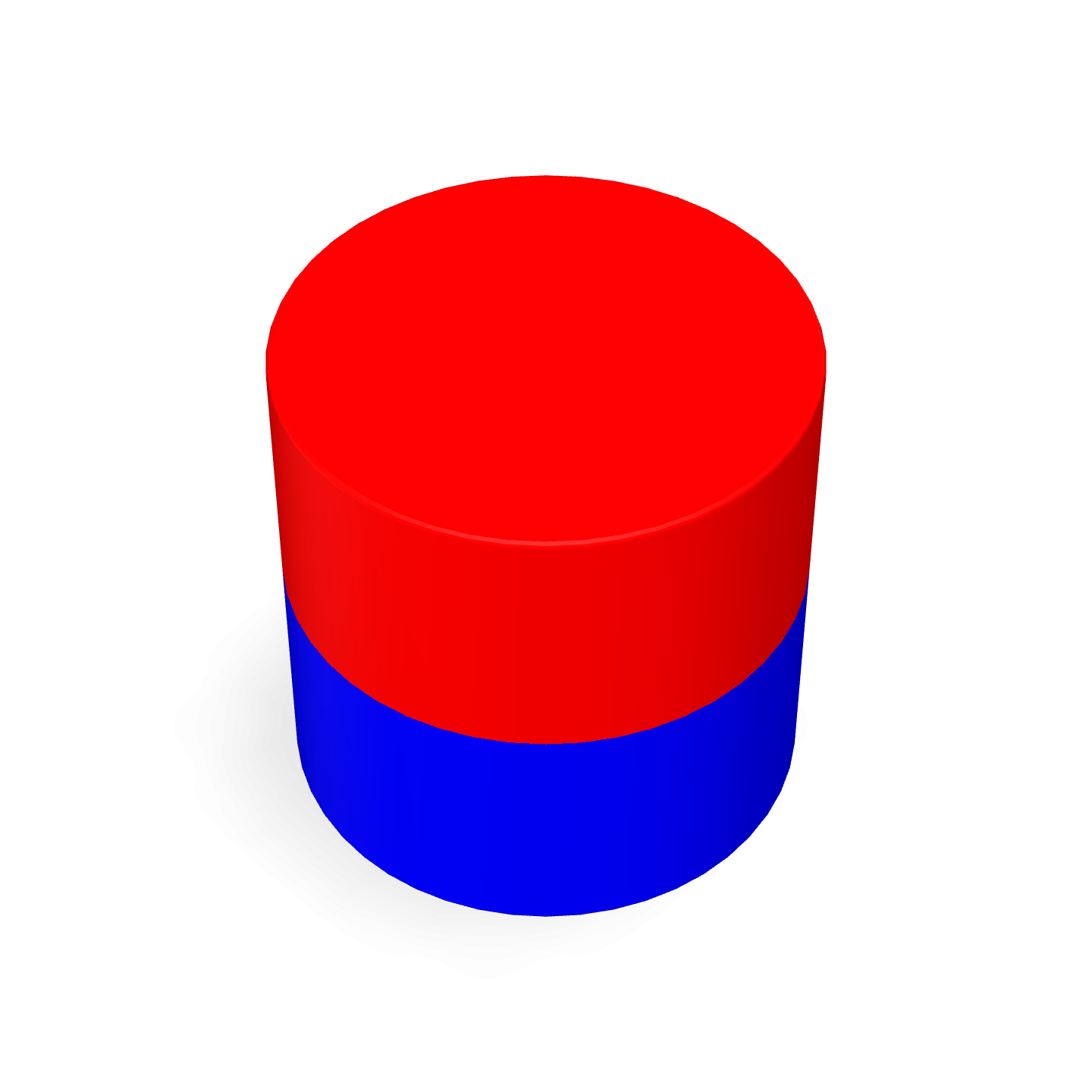
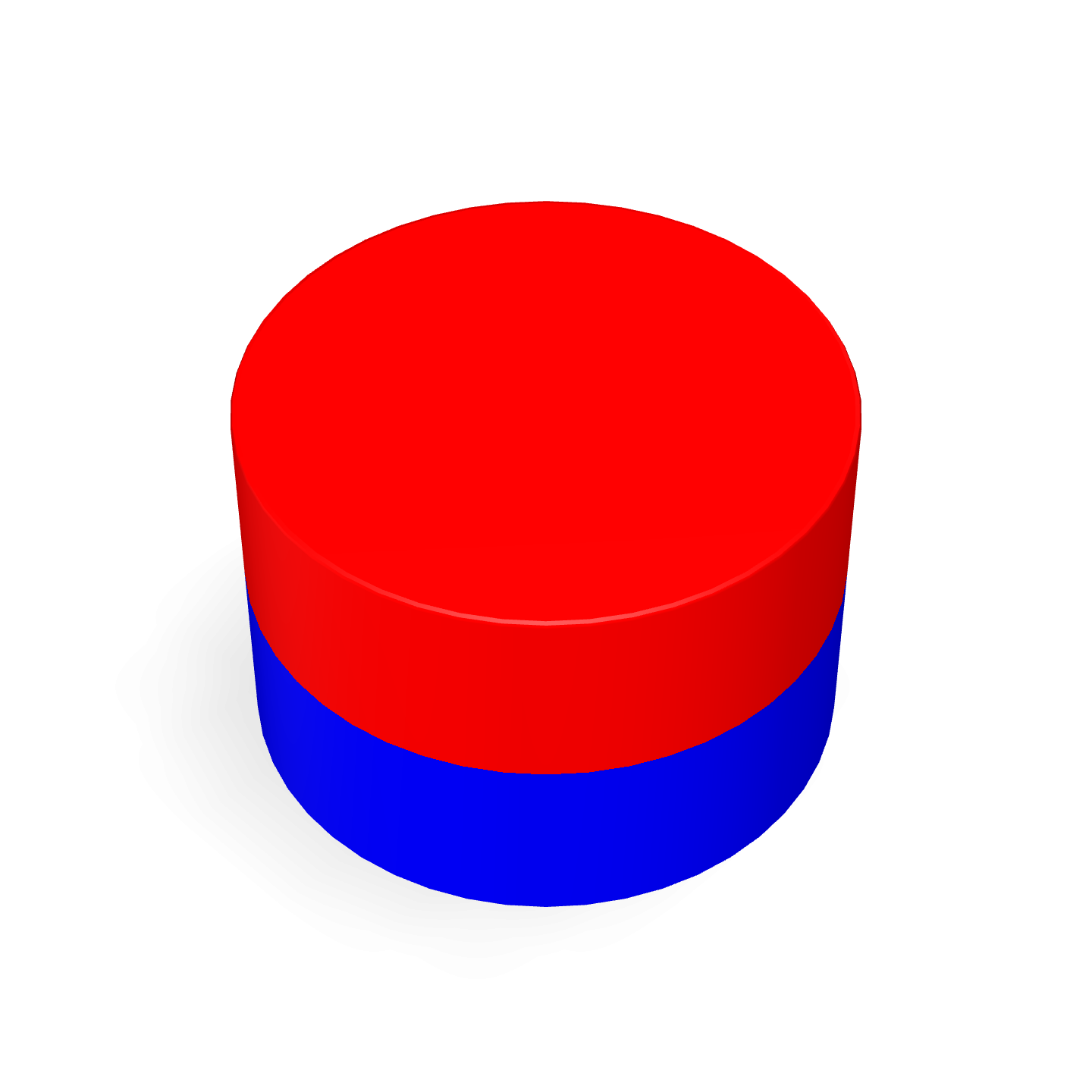
For motor applications, magnetic orientation is particularly important. Two magnets with identical dimensions and grade can perform very differently in an assembly if their magnetization direction is different.
Are Neodymium Magnets Being Replaced?
Research into alternative permanent magnet materials is increasing. Manufacturers, governments and research organizations are investigating ways to reduce dependence on critical rare earth materials, improve recycling and develop alternative magnetic technologies.
Potential alternatives and complementary technologies include samarium-iron-nitride materials, ferrite magnets, improved recycling processes and motor designs that reduce or eliminate the need for permanent magnets.
However, NdFeB remains one of the most important high-performance permanent magnet materials available today. Its combination of magnetic strength, compact size and established manufacturing infrastructure makes it difficult to replace across all applications.
How Canadian Companies Can Reduce Magnet Supply Chain Risk
Companies that use magnets in production should consider supply chain planning before a shortage becomes an immediate problem.
1. Qualify Suppliers Early
Do not wait until production is approaching a deadline to identify a second source. Qualifying a magnet supplier requires time for samples, testing, dimensional approval and application validation.
2. Avoid Unnecessary Over-Specification
If an application only requires N35 performance, specifying N52 may not provide a practical advantage. Matching the magnet to the actual application can reduce cost and improve sourcing flexibility.
3. Forecast Demand
Providing suppliers with production forecasts can help them plan material requirements and manufacturing capacity. This is particularly useful for custom magnets or recurring production programs.
4. Understand Your Complete Specification
A magnet specification should include more than grade and dimensions. Coating, tolerance, operating temperature, magnetization direction and quantity can all affect whether a supplier can manufacture the required component.
5. Keep Alternative Specifications in Mind
For critical applications, it can be useful to identify an approved alternative grade, coating or geometry before it is needed. This gives engineering and procurement teams more options if the original specification becomes difficult to source.
Choosing a Neodymium Magnet Supplier
As the permanent magnet supply chain becomes more strategically important, Canadian manufacturers should evaluate suppliers based on more than a price-per-piece comparison. A capable supplier should be able to discuss the technical requirements of the application, explain available grades and coatings, support custom dimensions and provide realistic production lead times.
| Factor | Overseas, Direct-Import Sourcing | Canadian-Stocking Supplier |
|---|---|---|
| Exposure to export licensing delays | Direct | Buffered by existing local stock |
| Lead time on reorders | Weeks, cross-border | Typically faster, domestic shipping |
| Custom grades, coatings & dimensions | Often requires large minimums | Can support smaller, application-specific runs |
| Compliance documentation (RoHS/REACH) | Often requested per order | Usually on file already |
For higher-volume applications, buyers should also evaluate manufacturing capacity, quality systems, inspection procedures, documentation and the supplier's ability to support repeat production.
At Magfine, we work with both industrial and commercial customers sourcing standard and custom NdFeB magnets, backed by Japanese magnet manufacturing expertise since 1986. Our product range includes discs, blocks, rings, arc magnets, countersunk magnets and other custom configurations, with options for different grades, coatings and applications, all RoHS and REACH compliant.
The Future of Neodymium Magnets in Canada
Neodymium magnets are no longer just small components hidden inside industrial equipment. They're part of the technology behind EVs, robotics, automation, motors, sensors and advanced manufacturing, and their role is likely to grow as Canada and other major economies invest further in electrification, automation and critical mineral supply chains.
For Canadian manufacturers, the real question isn't whether neodymium magnets will remain available. It's how well companies manage the technical, commercial and supply chain risks tied to these components.
Specifying the right grade, qualifying a dependable supplier and forecasting demand ahead of production go a long way toward avoiding disruptions without sacrificing performance. The strongest magnet and the lowest price aren't always the right call; the right call is the one that matches the application and holds up over the long run.
Frequently Asked Questions About Neodymium Magnets
What are neodymium magnets used for?
Neodymium magnets are used in electric motors, robotics, industrial automation, sensors, generators, magnetic couplings, speakers, holding systems and many other applications where high magnetic strength is required in a compact size.
Are neodymium magnets the same as rare earth magnets?
Neodymium magnets are one type of rare earth magnet. NdFeB magnets are the most widely used high-performance rare earth permanent magnets.
What is the strongest common neodymium magnet grade?
N52 is among the highest commonly available standard NdFeB grades. That said, the strongest grade isn't necessarily the best choice for every application. Temperature, geometry and required magnetic performance should all be considered.
Where can I buy neodymium magnets in Canada?
Canadian manufacturers and businesses can source standard and custom neodymium magnets from Canadian suppliers and distributors, including Magfine. For industrial applications, it is important to confirm grade, dimensions, coating, tolerances, magnetization and production lead time before ordering.
What should I provide when requesting a quote for custom NdFeB magnets?
At minimum, provide the magnet shape, dimensions, grade, coating, tolerances, magnetization direction and required quantity. Application information and operating temperature are also helpful when selecting the appropriate specification.