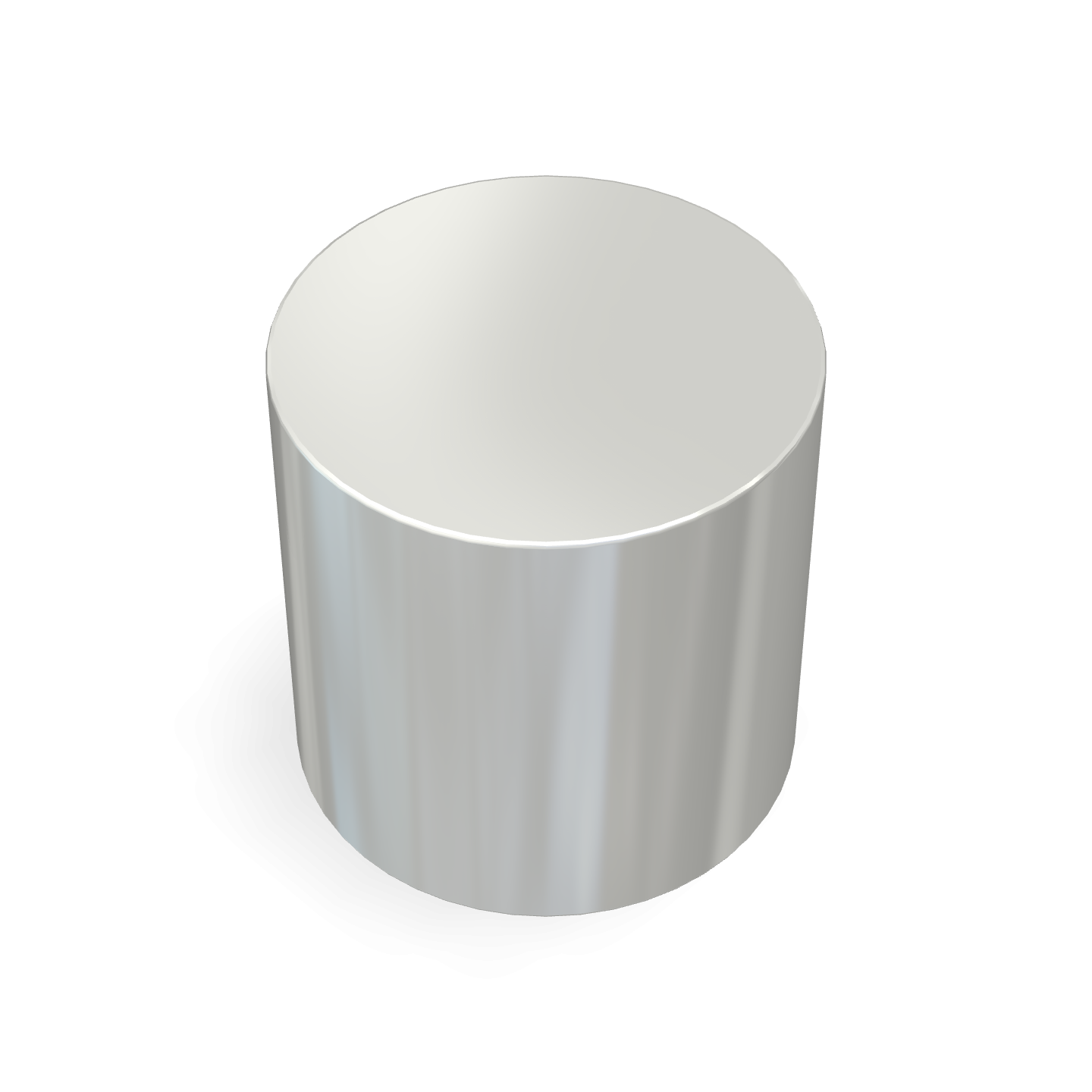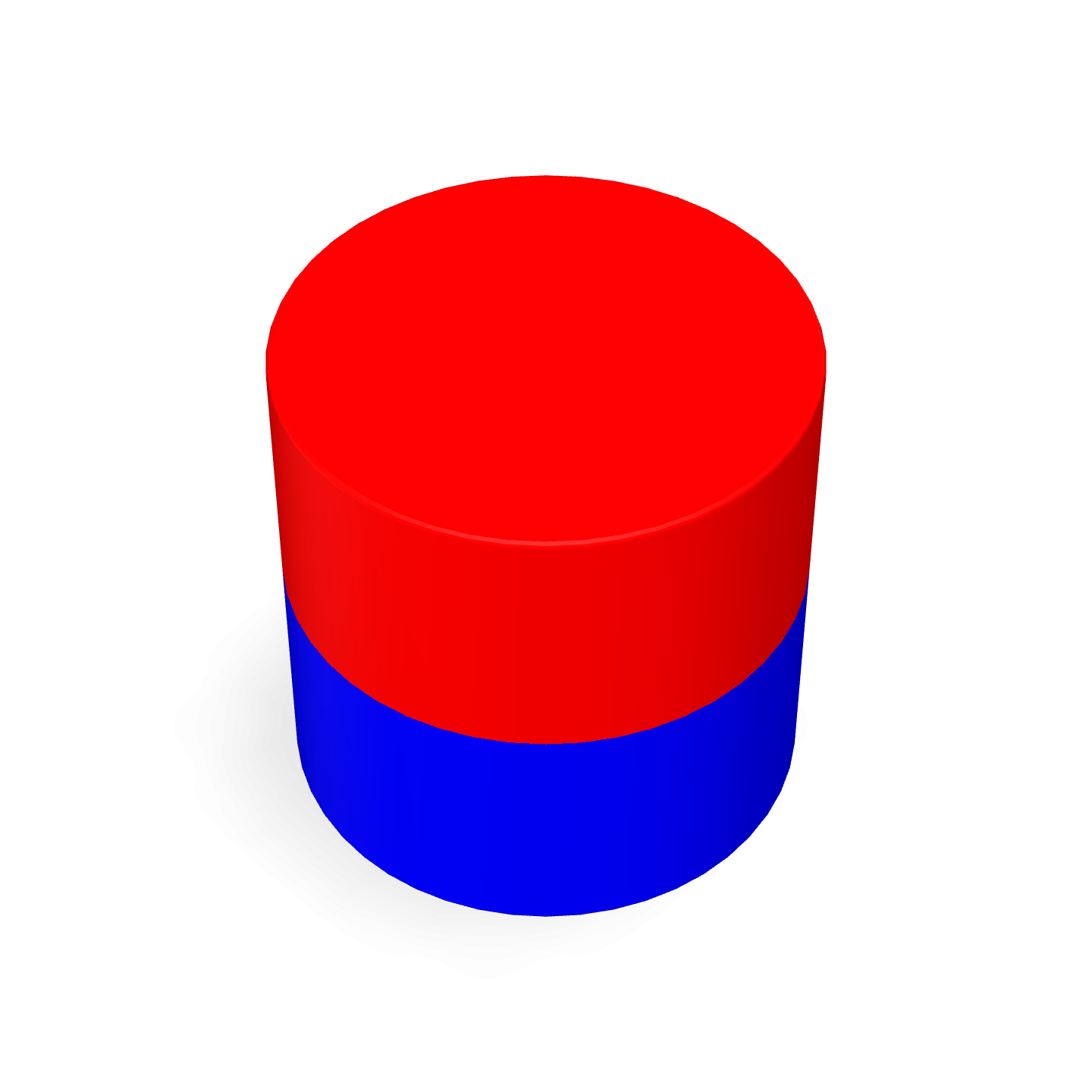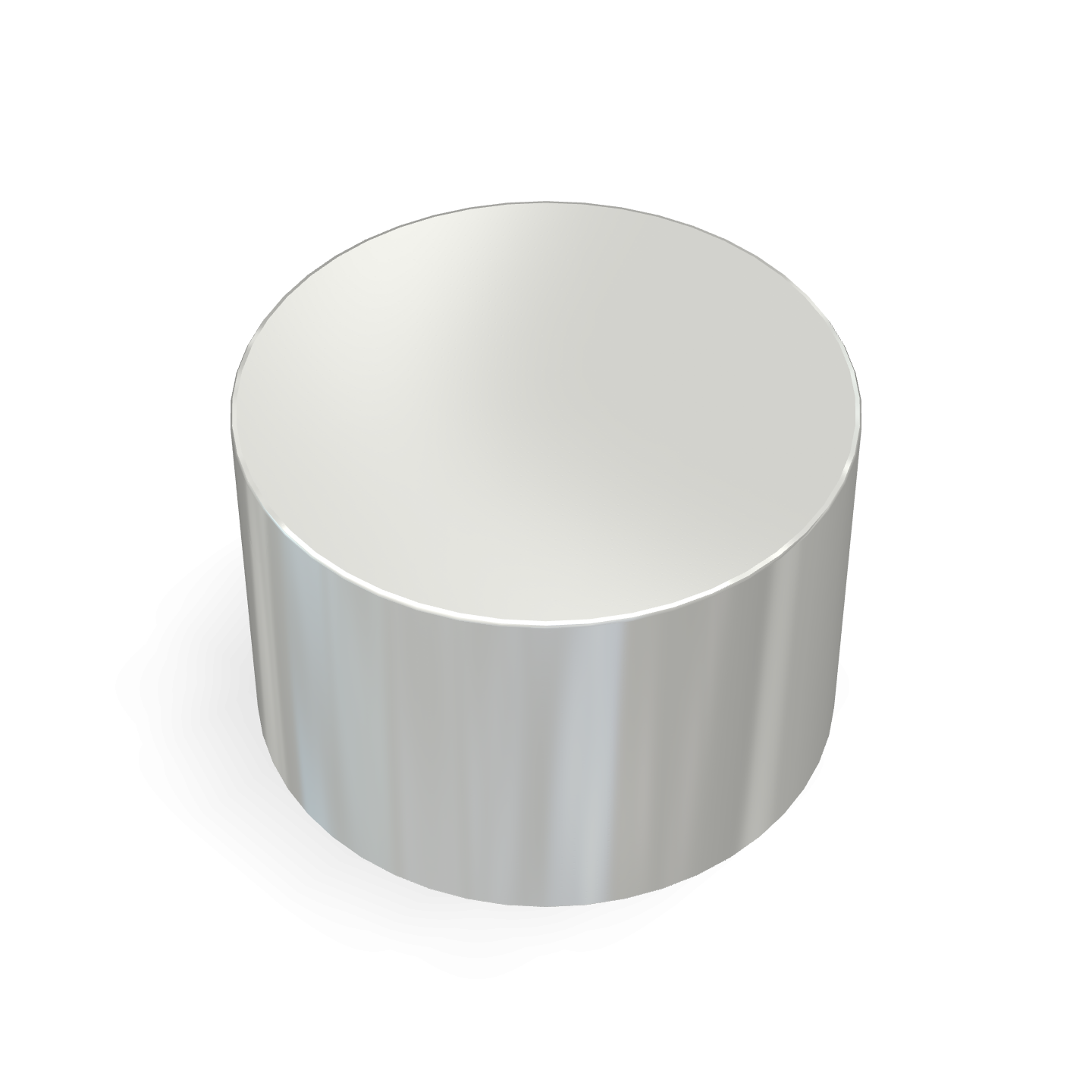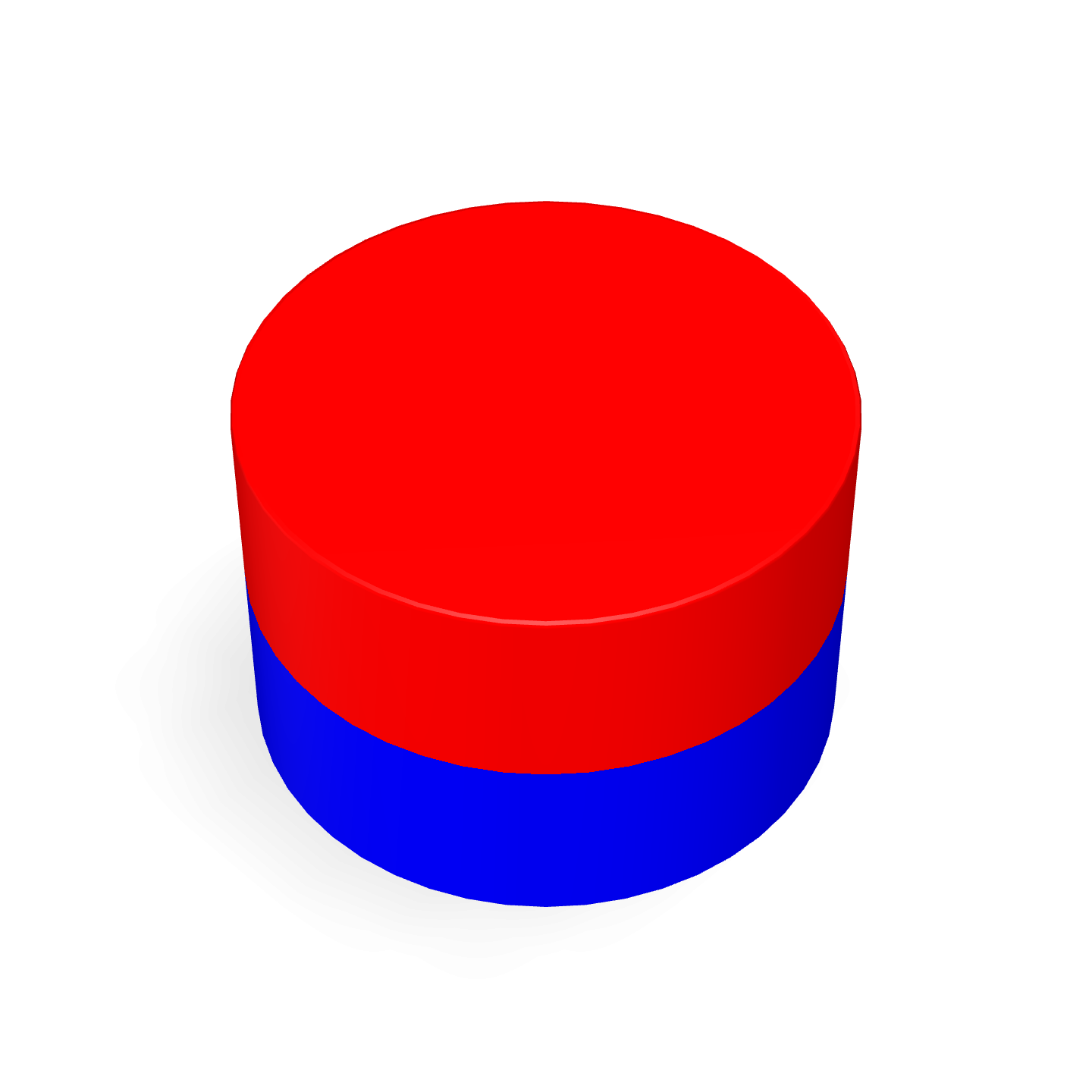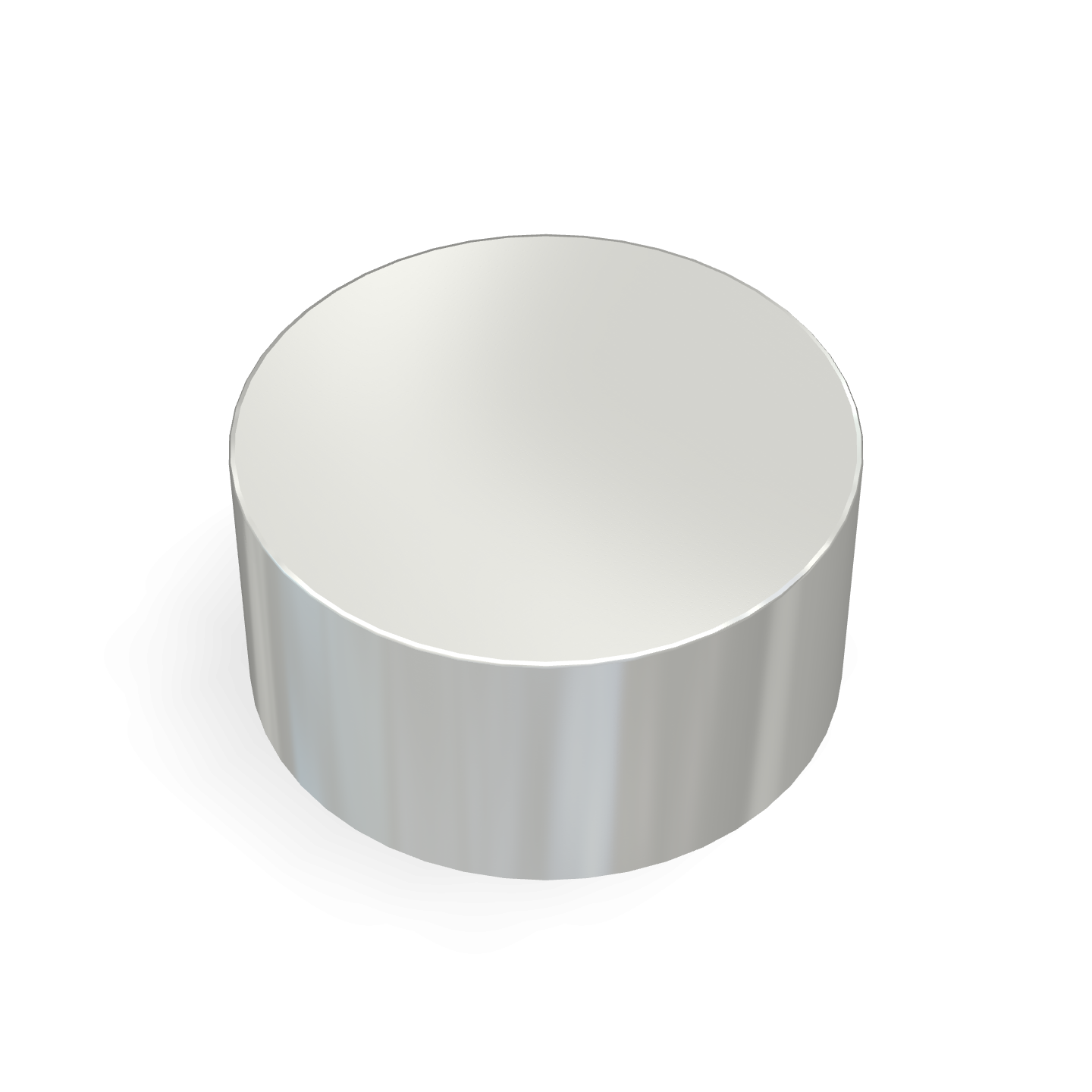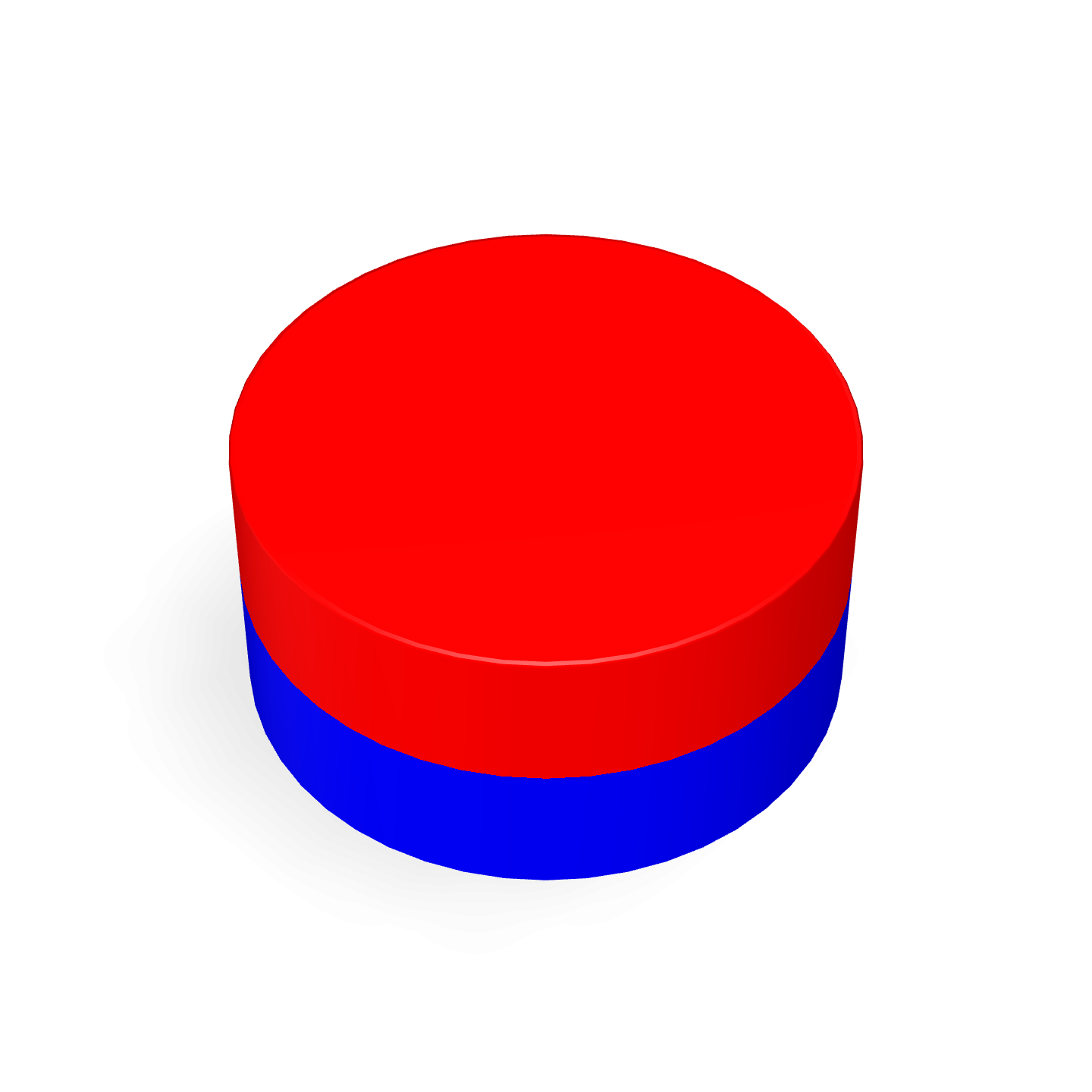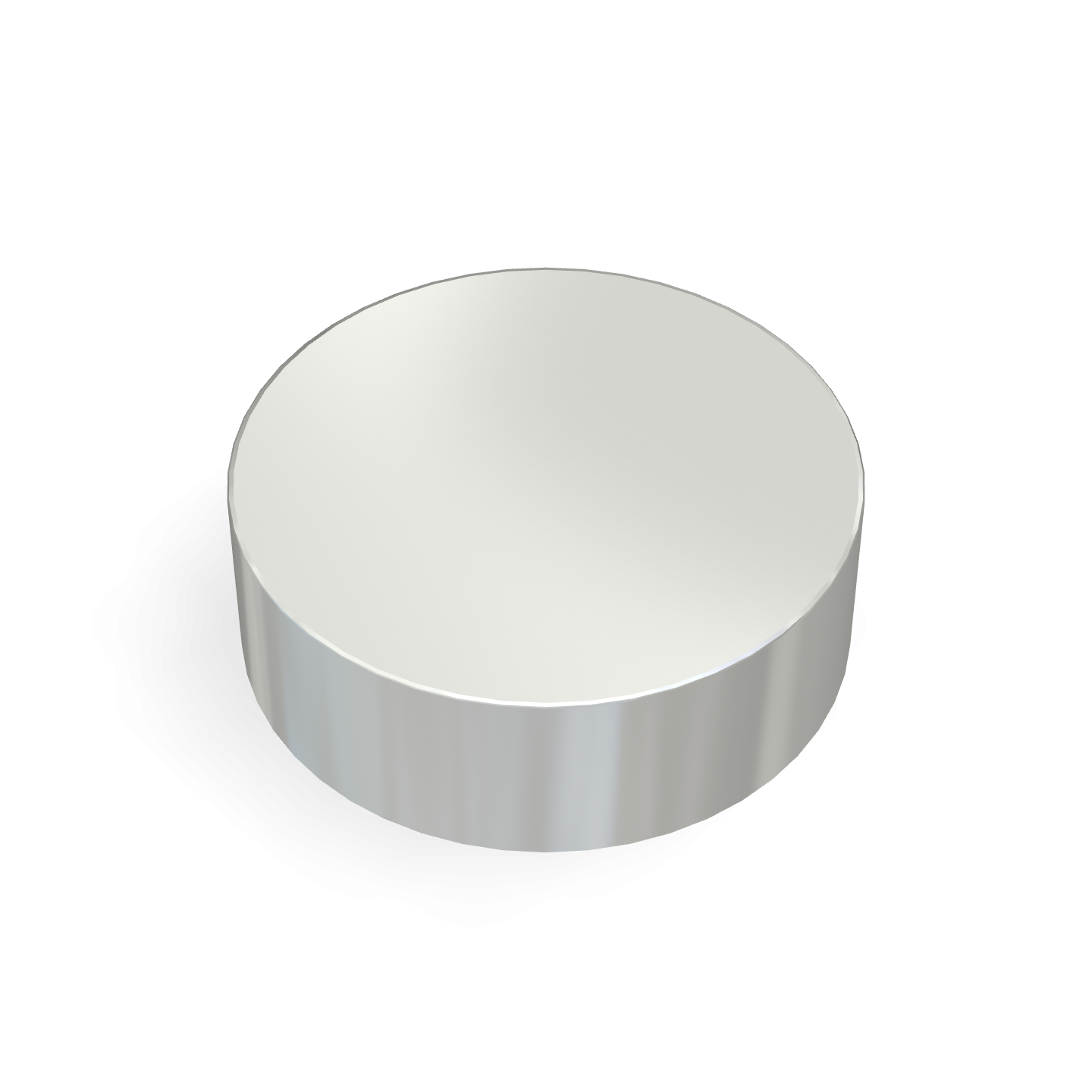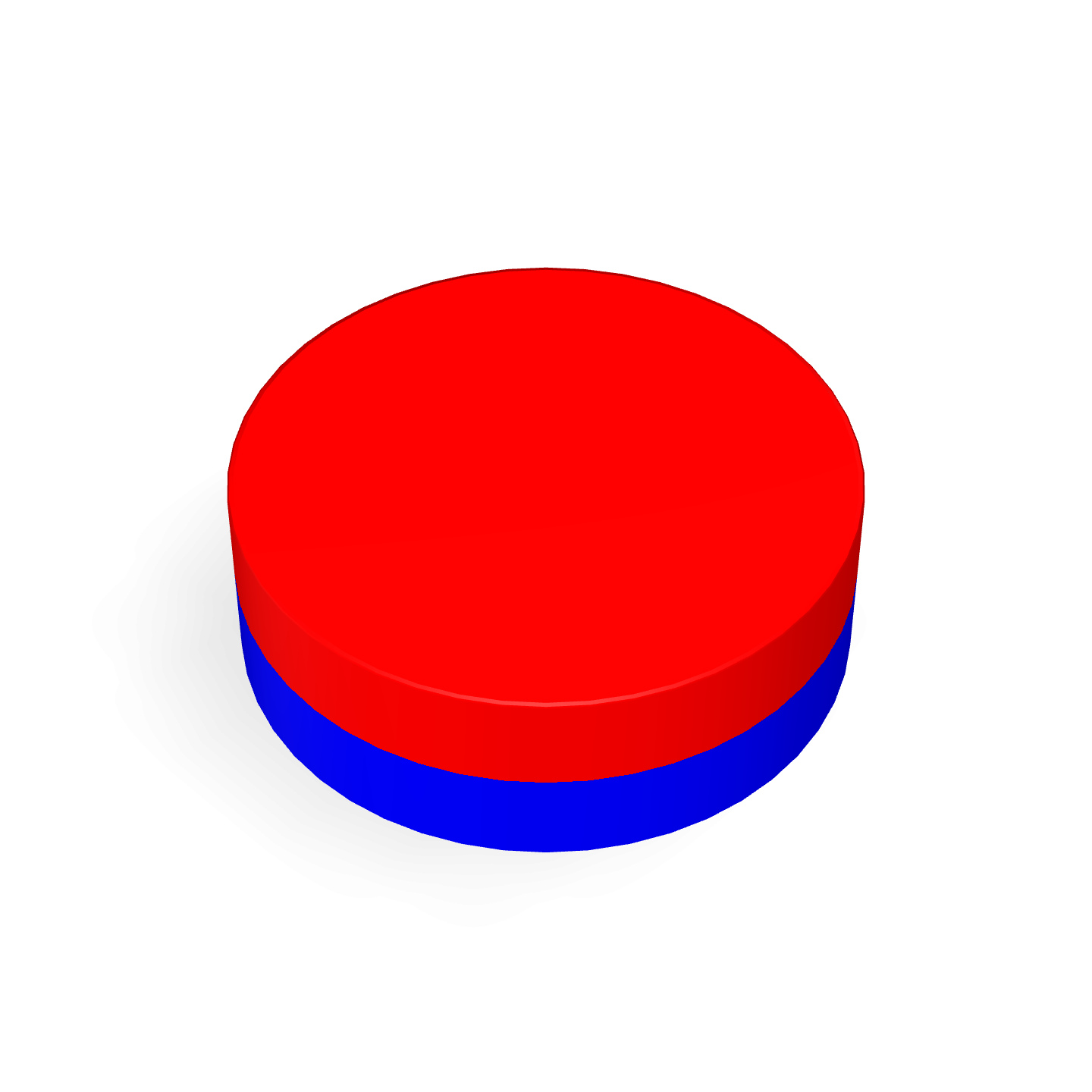
Magnets in Canada: The Complete Buying Guide
- Neodymium (NdFeB) is the strongest permanent magnet material commercially available, but "strongest" isn't always "right for the job."
- Neodymium grades run N35 to N52 at room temperature, with H, SH, UH, and EH variants built for heat.
- Standard-grade neodymium starts losing strength above roughly 80°C — motors and generators need a heat-resistant grade instead.
- Canadian climate swings, road salt, and humidity make coating and corrosion resistance a real spec, not an afterthought.
- Ordering from a Canada-based supplier avoids customs delays and cross-border duties that overseas suppliers don't warn you about.
Ask three different magnet suppliers which magnet is "the best," and you'll get three different answers. That's because there isn't one — there's only the right magnet for a specific job, temperature, and budget. This guide walks through the main magnet types sold in Canada, why neodymium dominates the market, how to read a grade number, and what actually matters when you're comparing suppliers.
What Is a Magnet, Exactly?
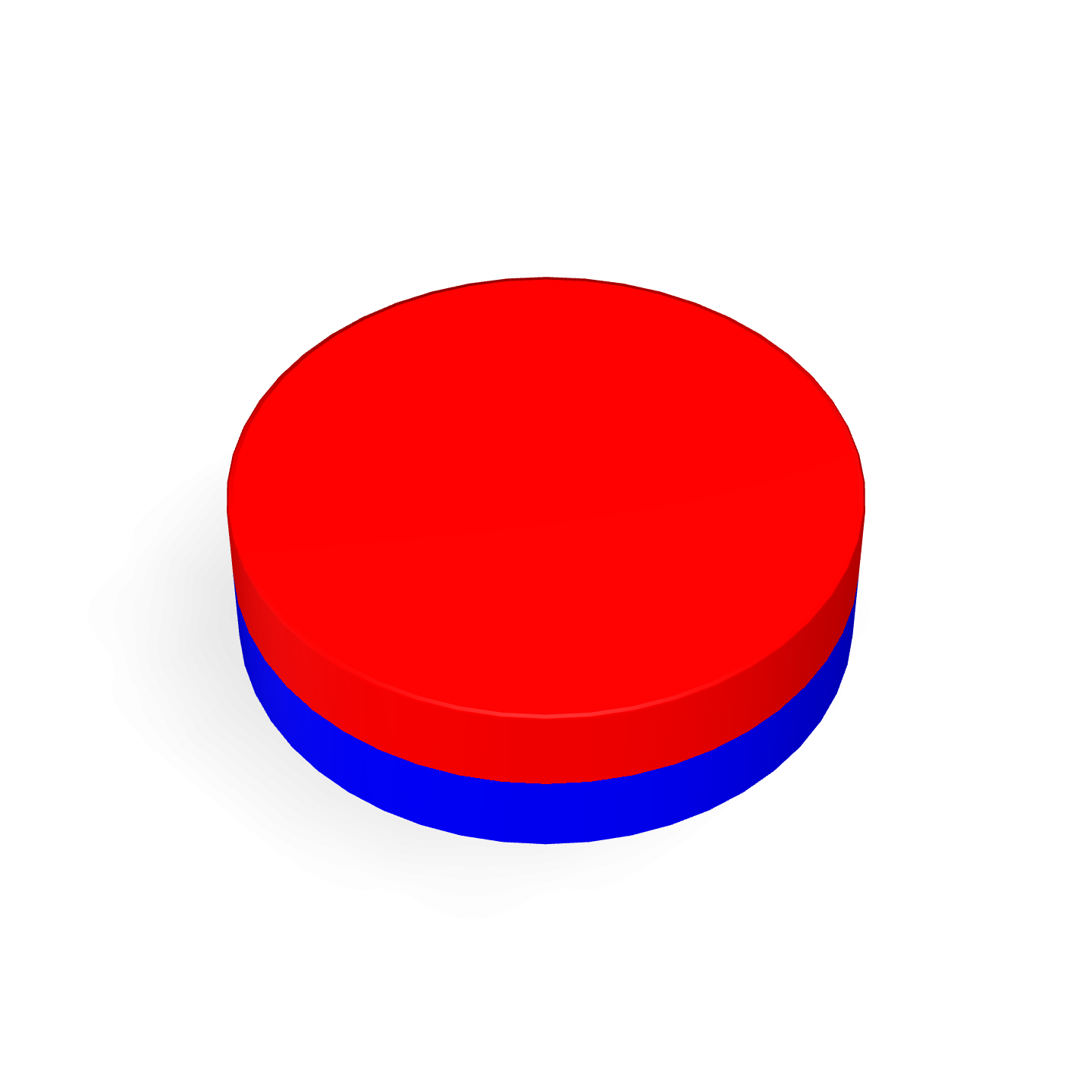
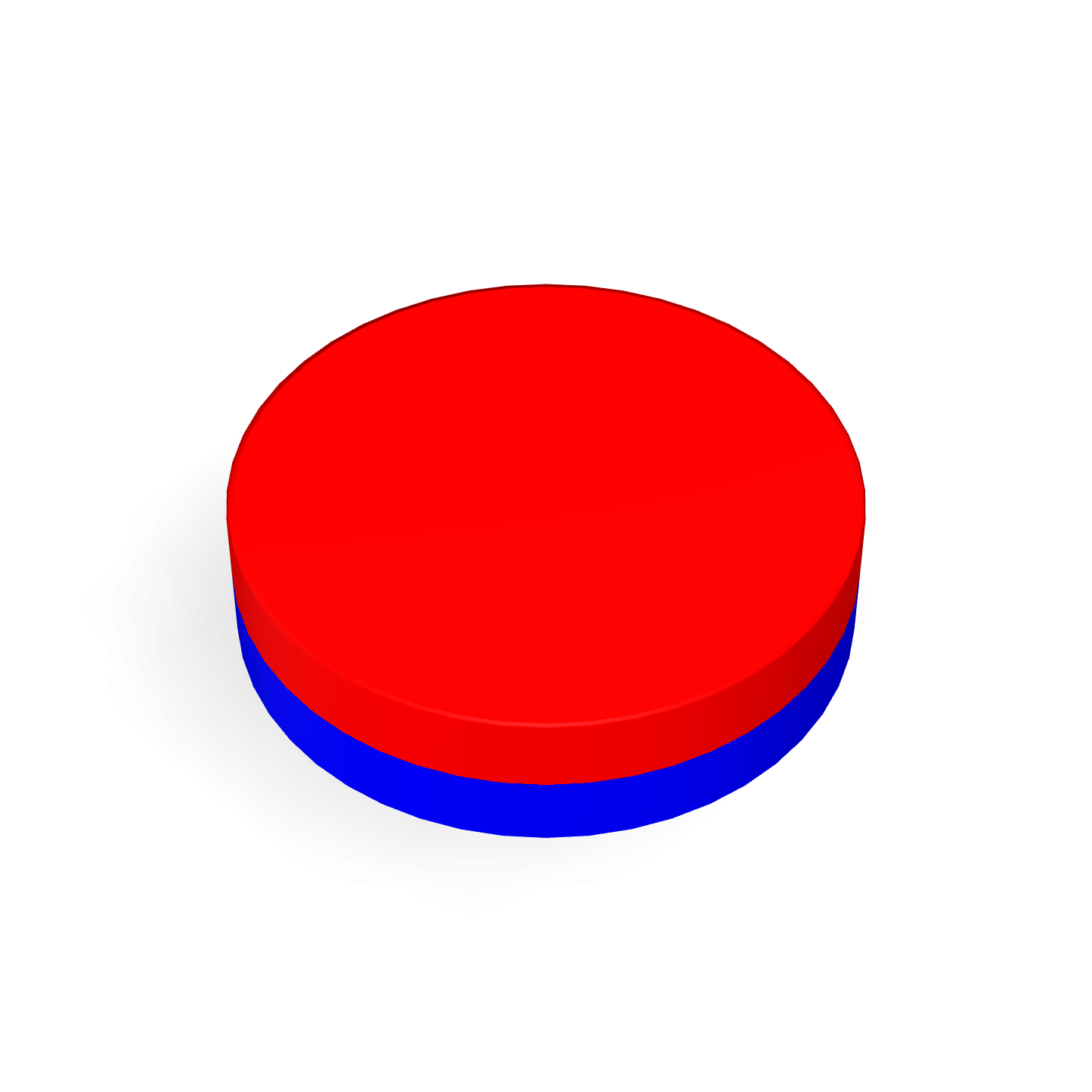
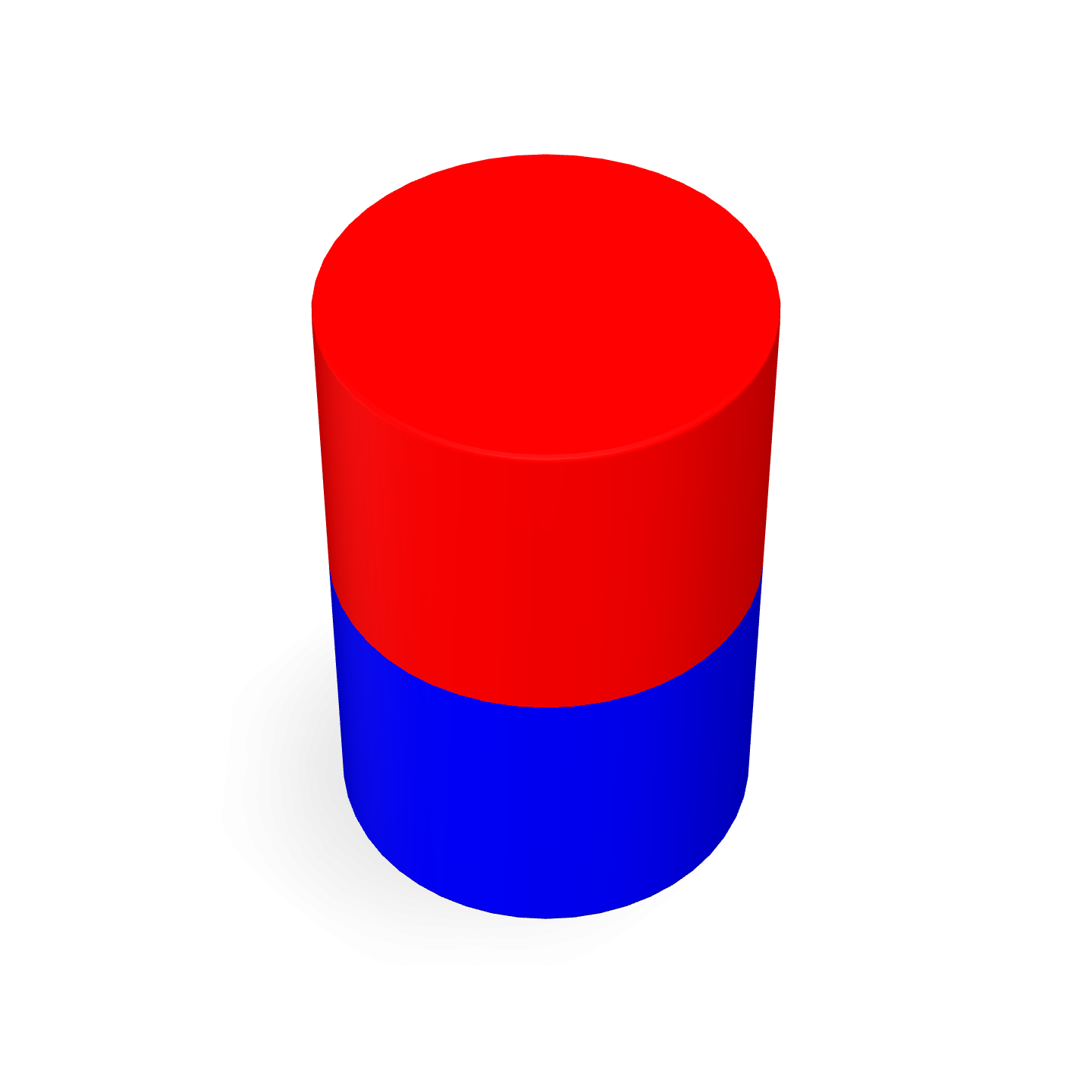
A magnet is any object that generates its own persistent magnetic field, allowing it to attract or repel other magnetic materials without touching them. Magnets fall into two broad categories: permanent magnets, which stay magnetized indefinitely once magnetized (neodymium, ceramic/ferrite, alnico, samarium cobalt), and temporary or electromagnets, which only produce a field when current runs through them.
For most industrial, commercial, and DIY buyers in Canada, "magnet" means permanent magnet — and neodymium is the default choice, because it delivers the highest strength-to-size ratio of any commercially available material.
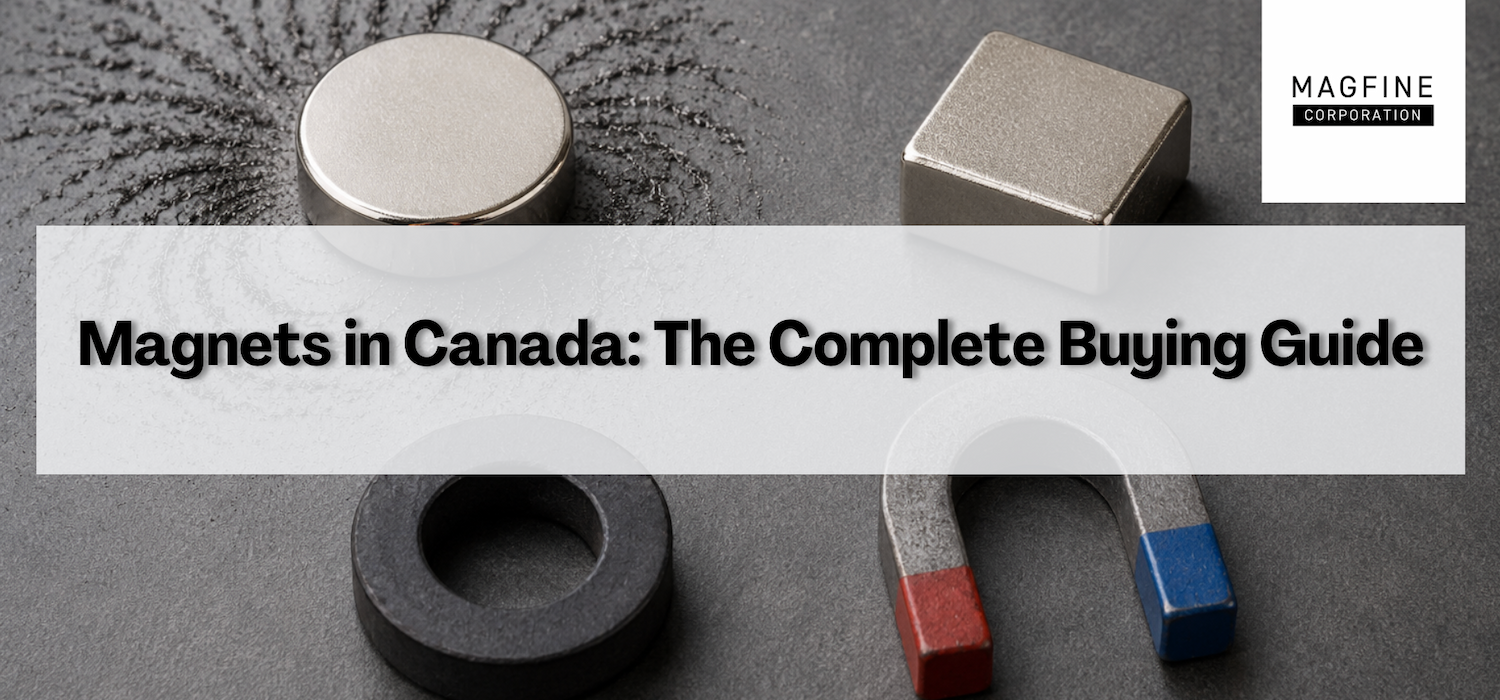
The Main Types of Magnets Sold in Canada
Each material trades off strength, heat resistance, corrosion resistance, and price differently. There's no universal winner — only the right fit for your application.
| Type | Relative Strength | Max Operating Temp | Best For |
|---|---|---|---|
| Neodymium (NdFeB) | Strongest available | Up to 230°C (H-grade) | Motors, mounting, lifting, electronics |
| Samarium Cobalt (SmCo) | Very strong | Up to 350°C | High-heat, corrosive environments |
| Alnico | Moderate | Up to 540°C | Sensors, extreme-heat applications |
| Ceramic / Ferrite | Lower | Up to 250°C | Budget mounting, speakers, low-cost holding |
Neodymium Magnets: Why They're the Default Choice
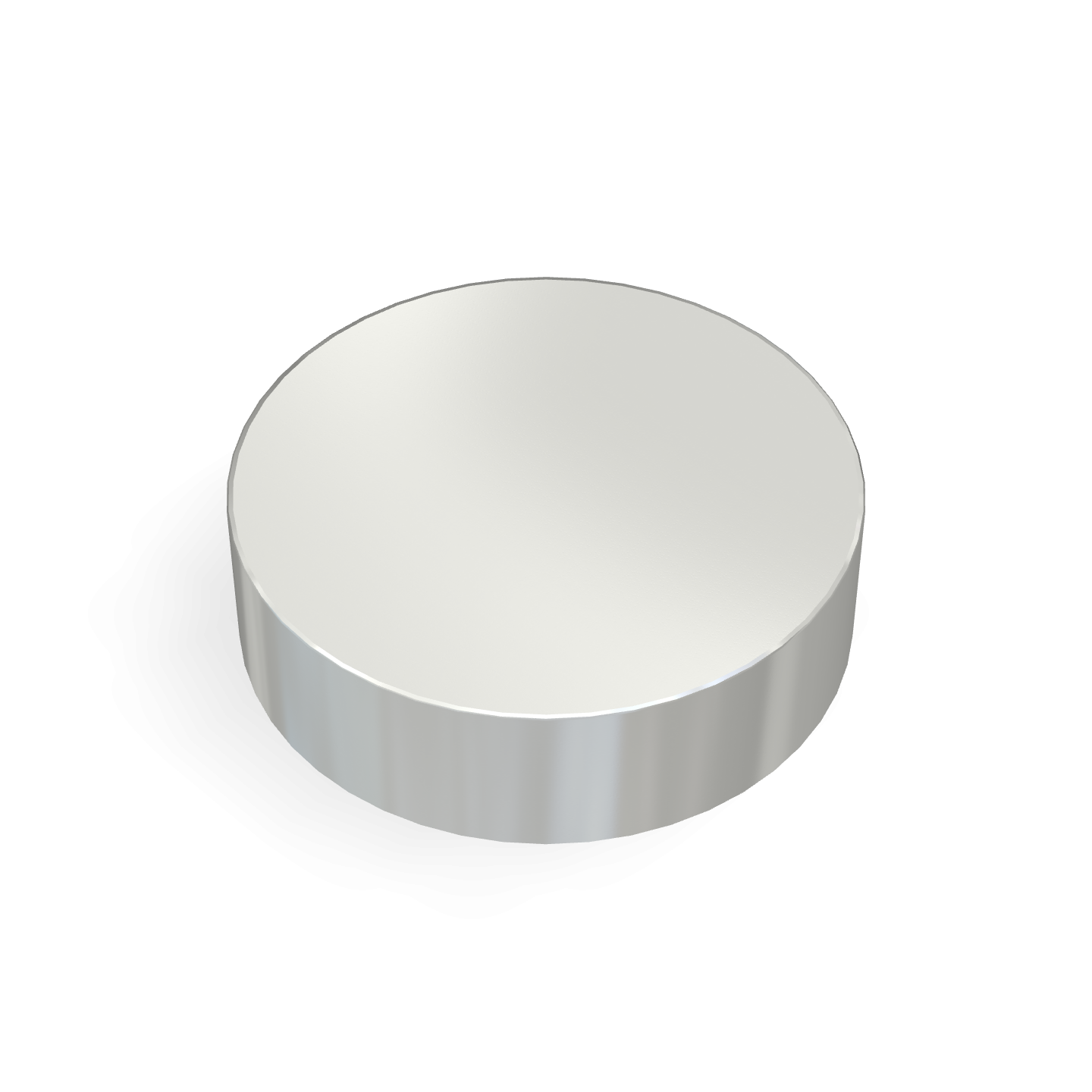
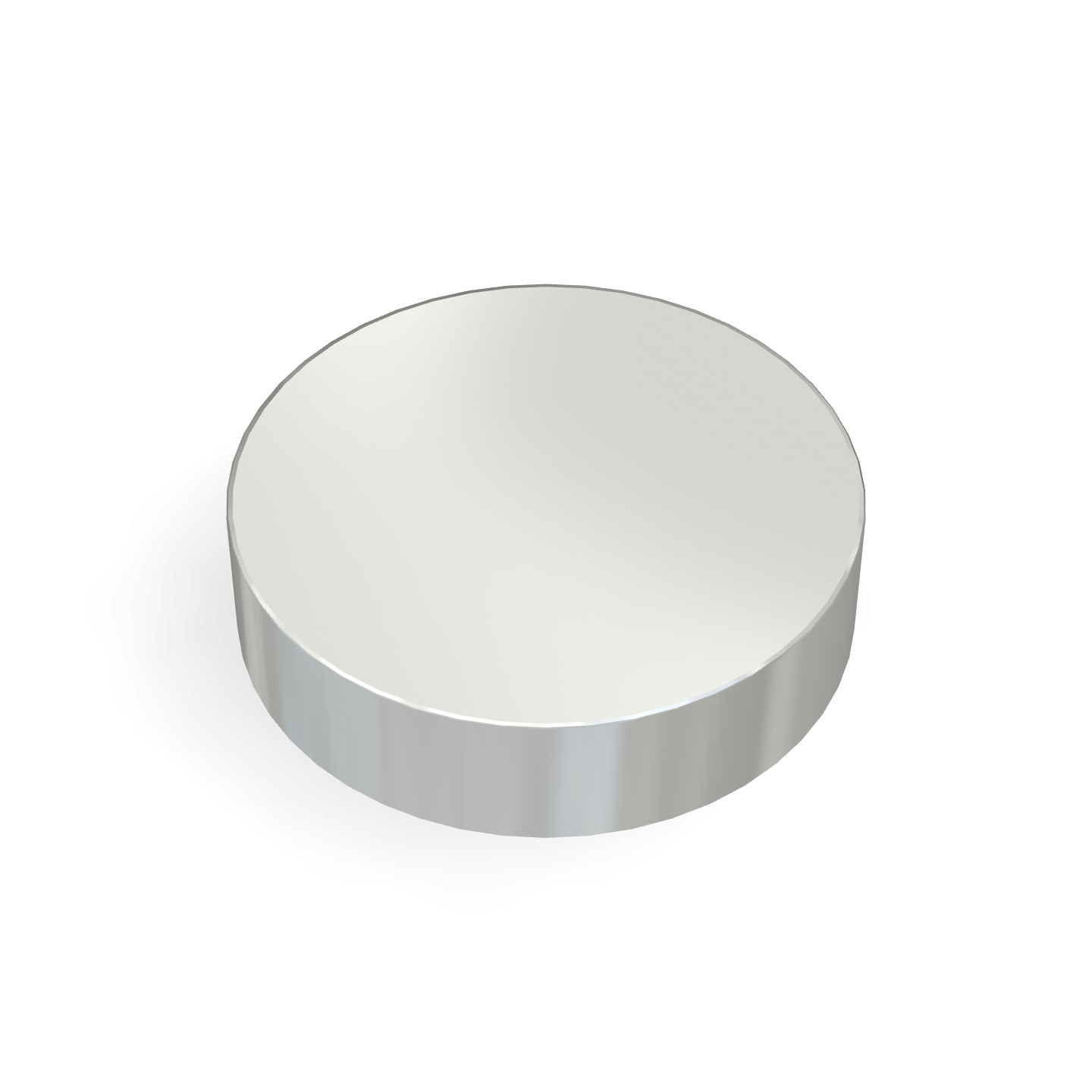
A neodymium magnet is a rare-earth permanent magnet made from an alloy of neodymium, iron, and boron (NdFeB). Developed in the 1980s, it quickly became the industry standard because it offers the highest magnetic energy product of any commercially produced magnet material.
Three properties make neodymium the go-to option for engineers and DIYers alike: exceptional strength per unit of size, precision manufacturability for tight-tolerance industrial parts, and a broad grade range — from N35 (standard strength) to N52 (maximum strength at room temperature), plus H, SH, UH, and EH heat-resistant variants for motors, generators, and renewable energy equipment.
Standard-grade neodymium magnets start losing strength above roughly 80°C. If the magnet is going anywhere near a motor, generator, or engine bay, you need an H-grade or higher heat-resistant variant — not a standard N-grade.
Neodymium Magnet Grades at a Glance
Choosing a grade always comes down to two questions: how much pull force do you need, and what temperature will the magnet actually operate at?
Buying a Magnet in Canada: What to Check Before You Order
Canadian buyers face a few considerations that don't always apply elsewhere.
- Climate range. A magnet used outdoors or in an unheated warehouse needs to perform across both winter cold and summer heat, not just resist one extreme.
- Coating and corrosion resistance. Humid coastal regions and road-salt exposure make nickel, zinc, or epoxy coatings important for anything used outdoors or in vehicles.
- Compliance. Look for RoHS and REACH-compliant magnets, especially for commercial products or food, healthcare, and export applications.
- Shipping origin. A supplier with Canadian warehousing avoids cross-border duties, customs delays, and long transit times.
- Stock depth. Custom or unusual sizes are common in industrial use, so a supplier with thousands of SKUs in stock (or custom manufacturing capability) saves real lead time.
If you're not sure a magnet will hold up to your local climate, ask the supplier directly about coating type and rated corrosion resistance — it's rarely on the product page, but any real manufacturer will have the spec on hand.
Common Applications for Magnets in Canada
- Industrial & manufacturing: motors, generators, magnetic filters, and separators that remove ferrous contaminants from food, mining, and recycling lines
- Retail & signage: point-of-sale displays, name badges, and mounting hardware
- Automotive & fabrication: tool mounting, jigs, and fixture holding
- Renewable energy: wind turbine generators and electric motor components, which typically require heat-resistant H-grade magnets
- DIY & hobbyist projects: camper builds, workshop organization, and craft projects
Choosing the Right Magnet Supplier
Not all magnet suppliers offer the same quality control, and magnetic strength claims vary widely between manufacturers. When comparing suppliers in Canada, look for a documented manufacturing history, RoHS and REACH compliance documentation, in-stock breadth across grades (N35–N52) and heat-resistant variants, custom engineering support for non-standard sizes, and Canadian warehousing for fast, duty-free shipping.
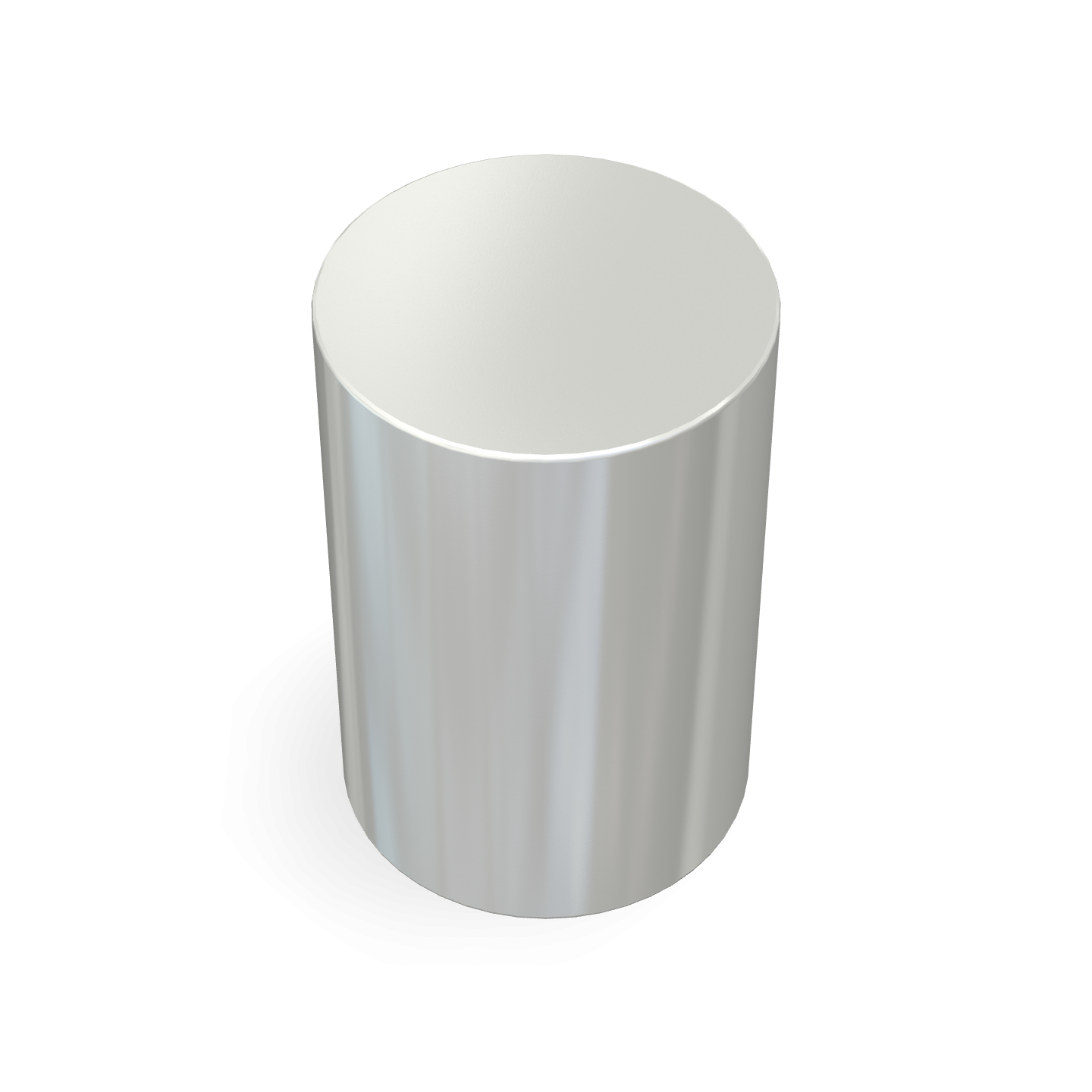
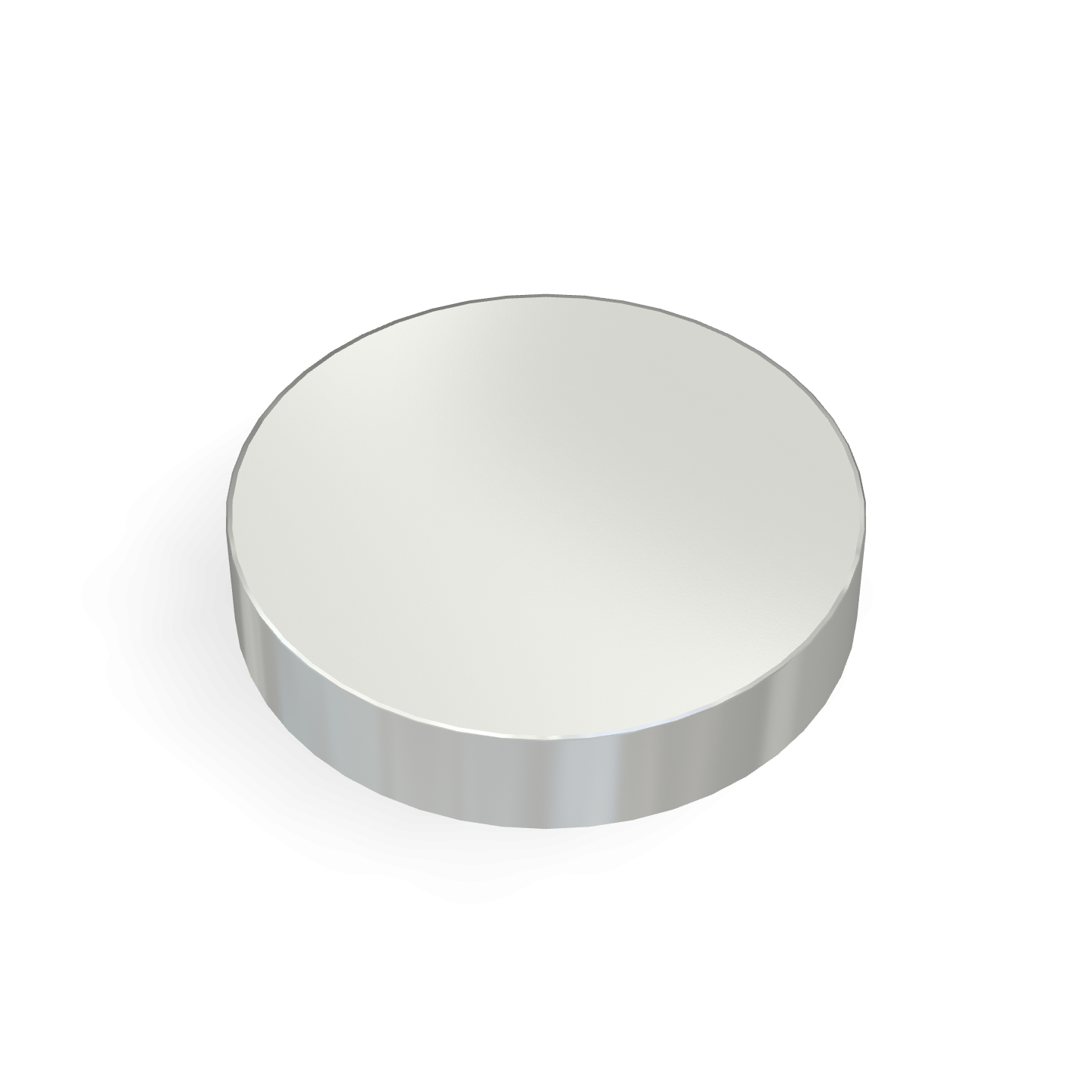
Magfine Corporation has manufactured magnets since 1986 and supplies neodymium, ceramic, alnico, and samarium cobalt magnets across Canada through its Canadian distribution center. All products are RoHS and REACH compliant, with over 5,000 magnet types in stock — including cap magnets, block magnets, ring magnets, arc magnets, and custom magnetic assemblies.
Not Sure Which Magnet You Need?
Browse over 5,000 in-stock magnet types, or talk to a Magfine specialist about grade, size, and coating for your application.
Shop Magnets at Magfine.caFrequently Asked Questions
What is the strongest magnet you can buy?
Neodymium (NdFeB) magnets are the strongest permanent magnets commercially available, with N52 being the highest standard grade at room temperature.
Are neodymium magnets safe to handle?
Large or high-grade neodymium magnets snap together with significant force and can pinch skin or shatter if allowed to collide. Smaller magnets under about 1 cm are generally easy to handle with normal care, but should always be kept away from children, pacemakers, and electronic devices with magnetic sensors.
What grade of neodymium magnet do I need?
For room-temperature applications where maximum holding force in a small size matters, N42–N52 is typical. For motors, generators, or anything running above roughly 80°C, an H-grade or higher heat-resistant magnet is required to avoid permanent demagnetization.
Can neodymium magnets lose their strength?
Yes. Excessive heat above a grade's rated temperature, physical damage, or exposure to a stronger opposing magnetic field can permanently reduce a neodymium magnet's strength. Corrosion from an unprotected coating can also degrade performance over time.
Where can I buy neodymium magnets in Canada?
Canadian buyers can order from local, Canada-based suppliers to avoid customs delays and get faster delivery. Magfine Canada stocks over 5,000 magnet types and ships across Canada, with free shipping on qualifying orders.
This guide is reviewed and updated periodically to reflect current magnet grades, applications, and Canadian supply information.