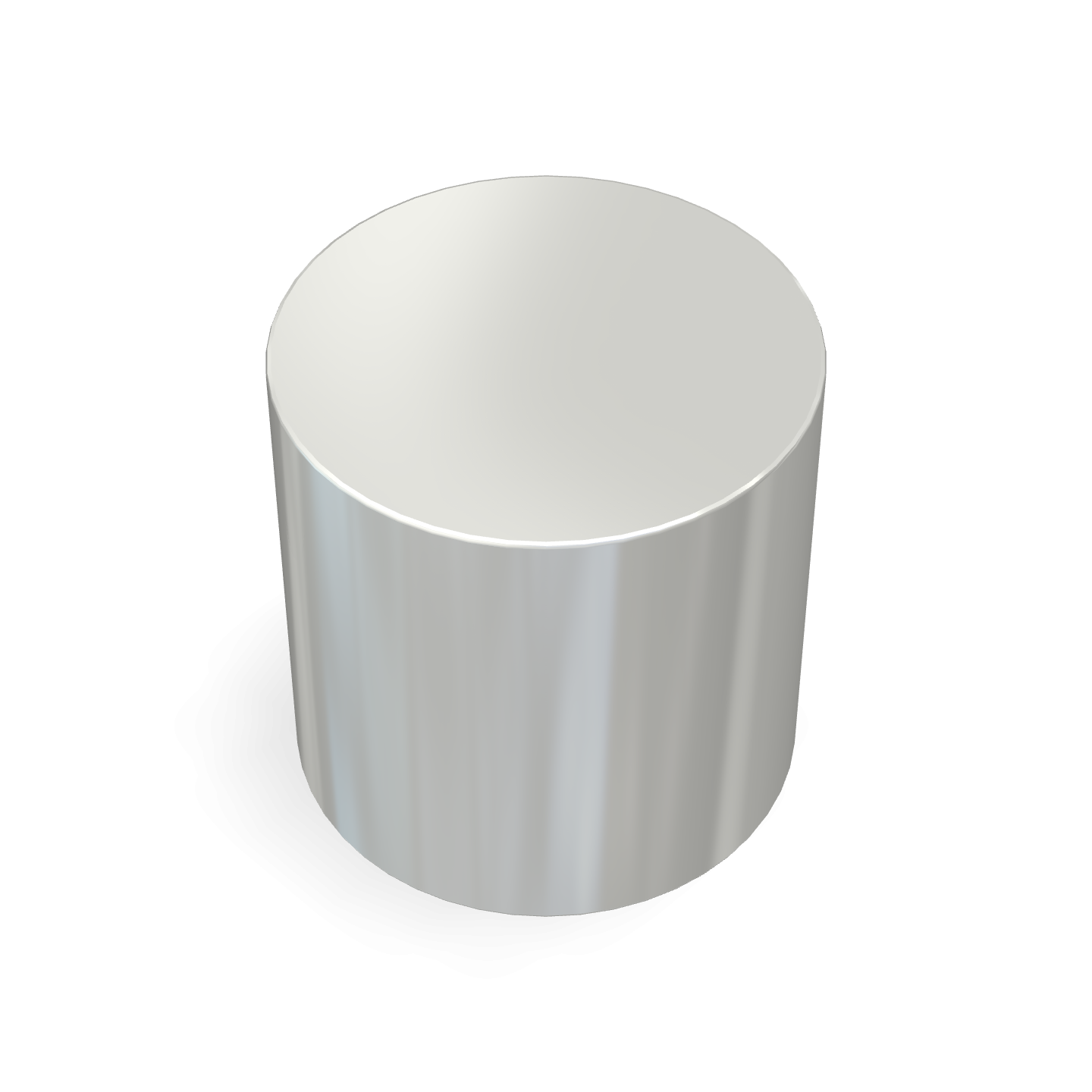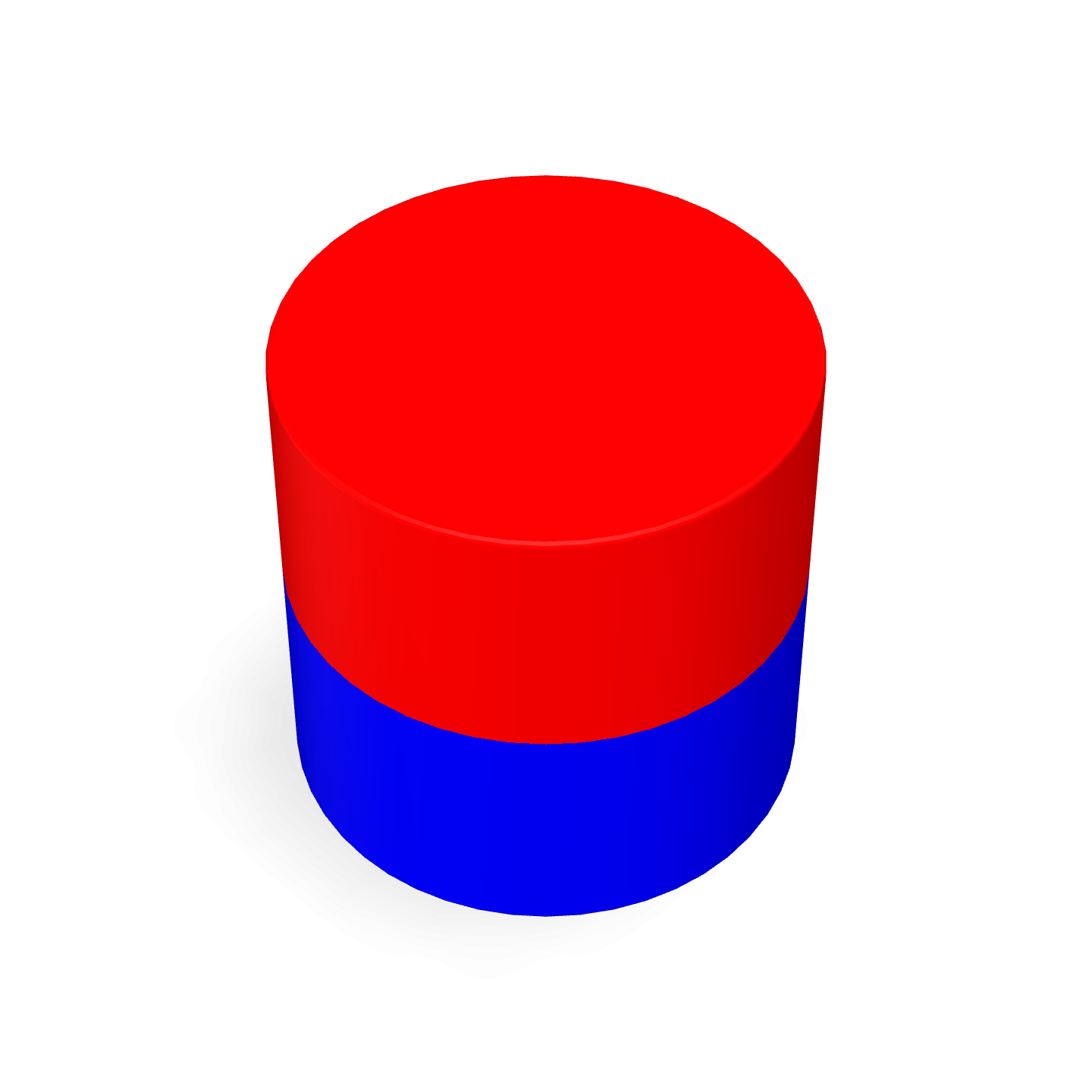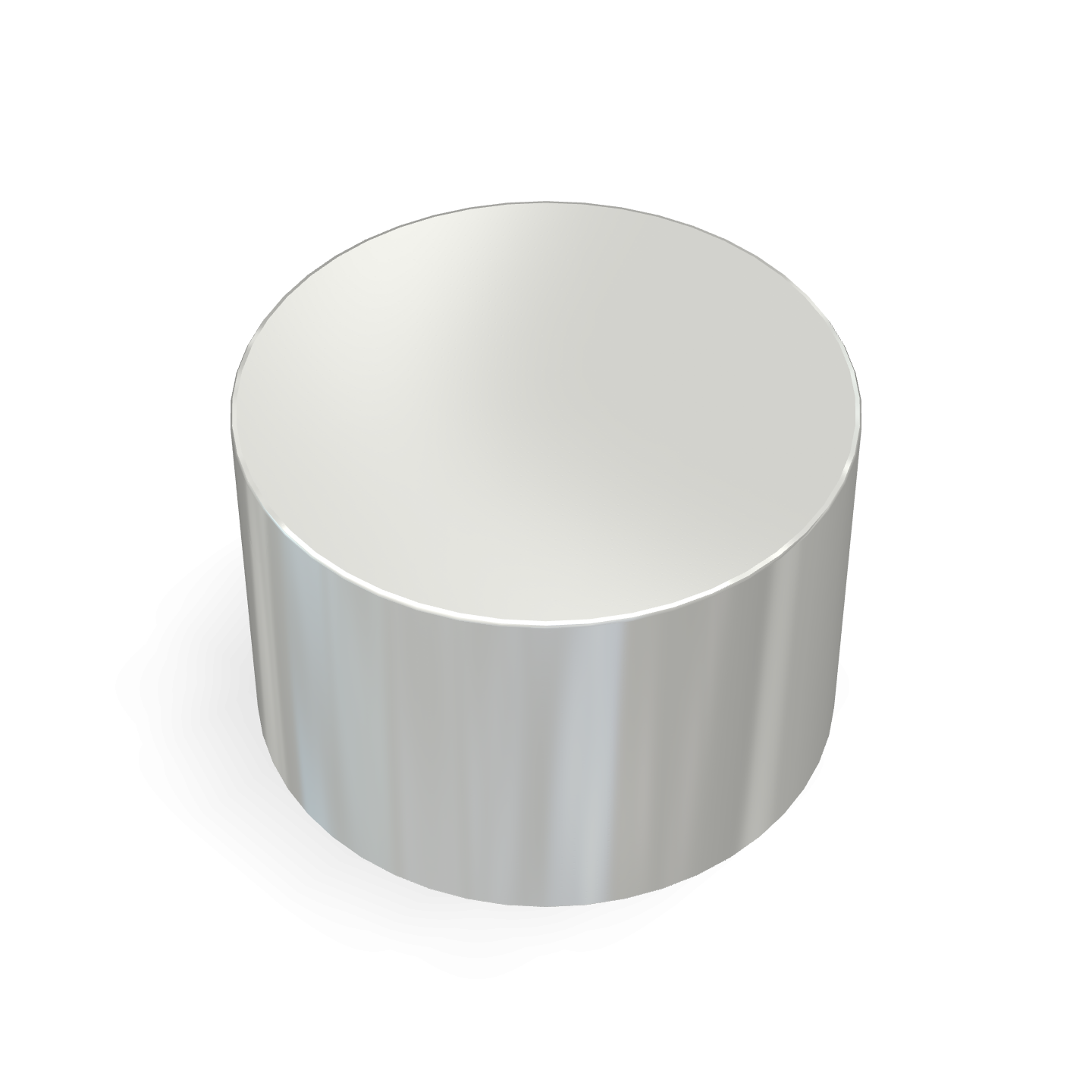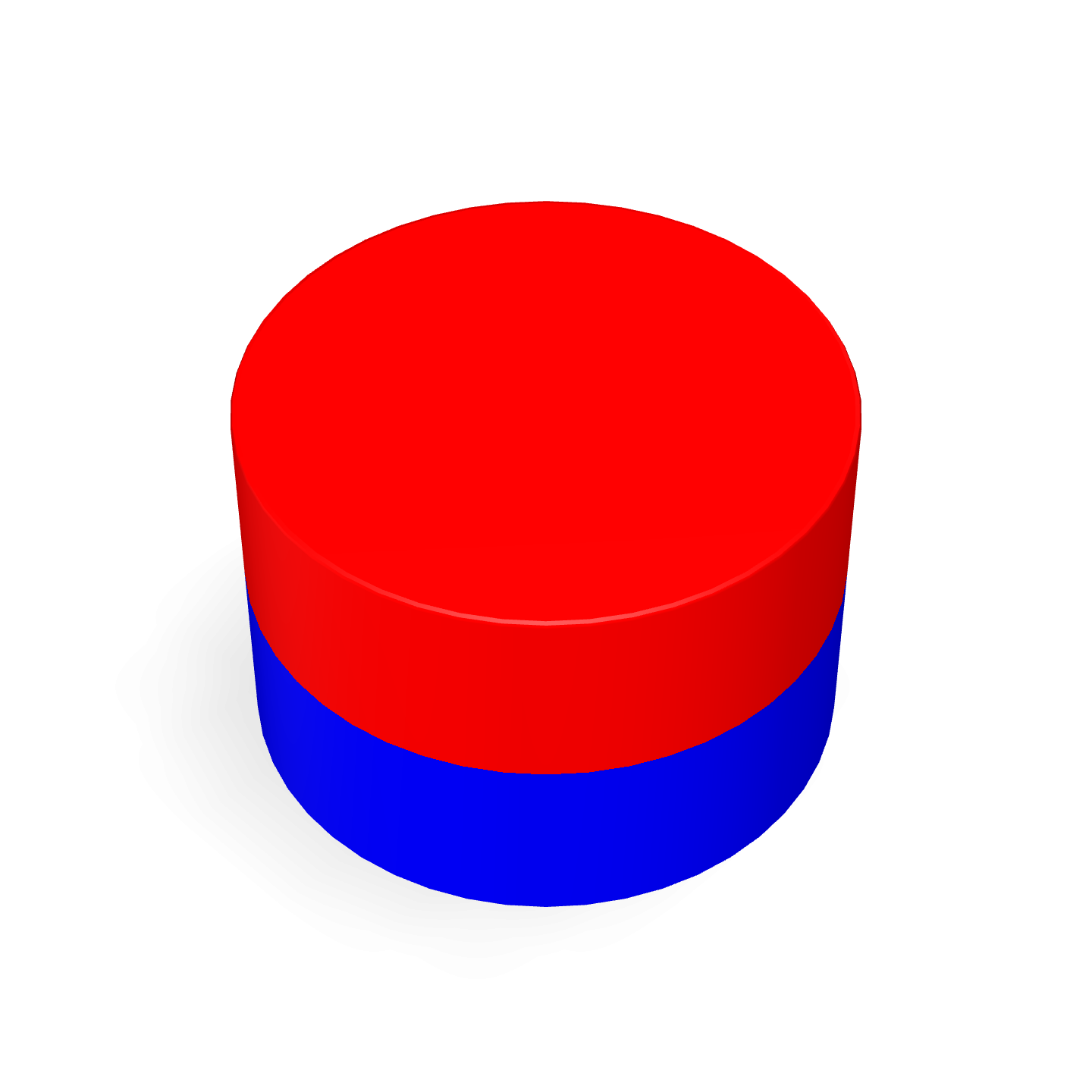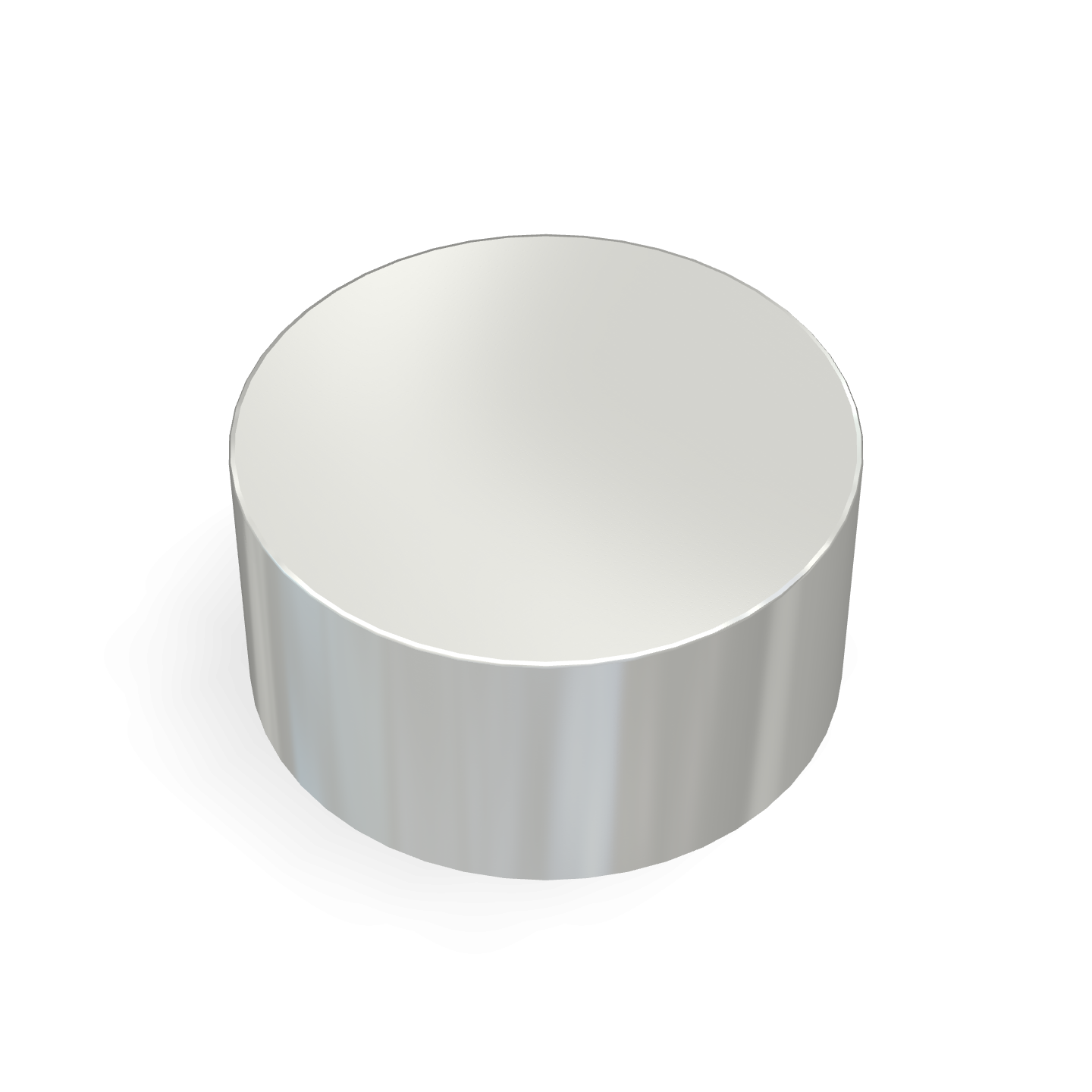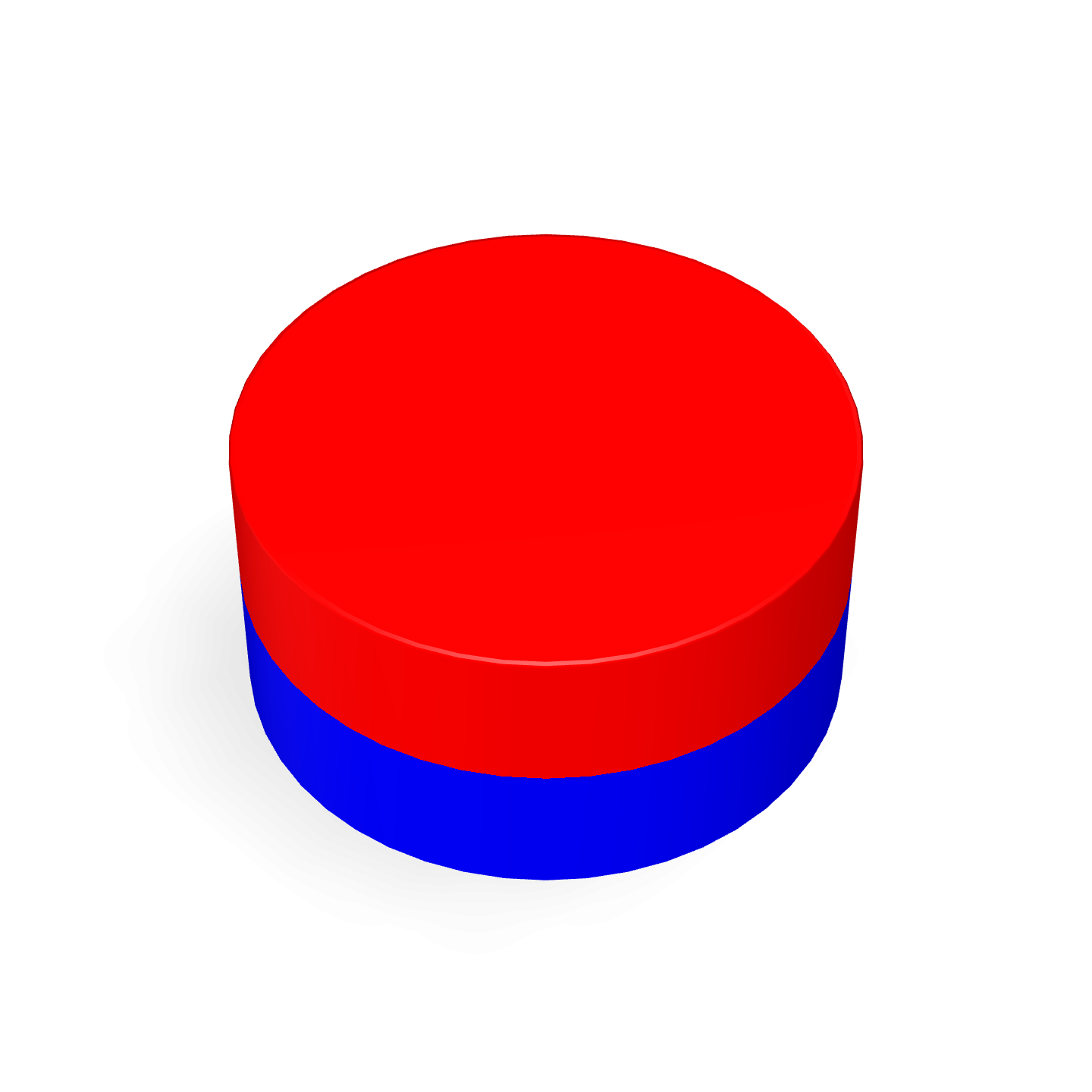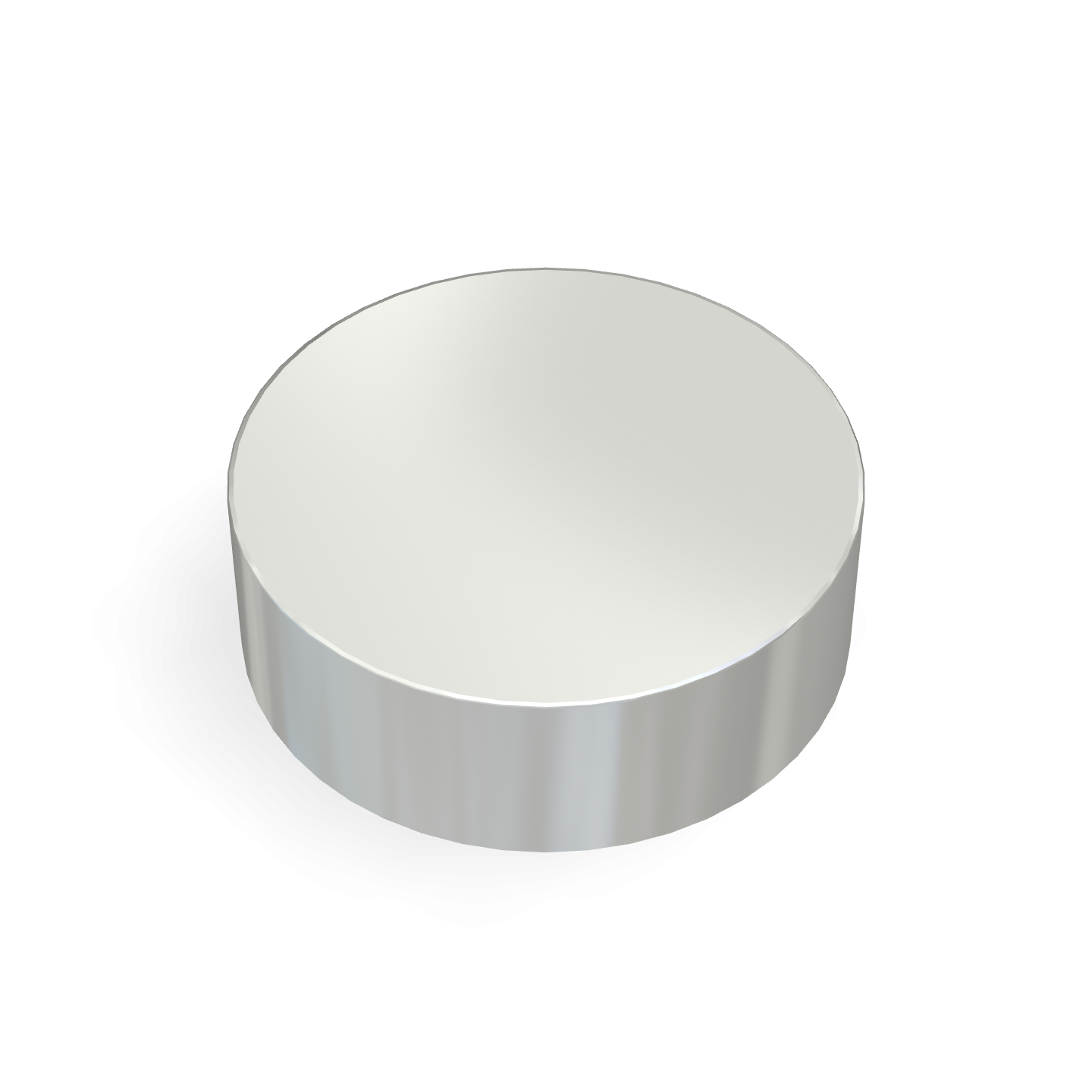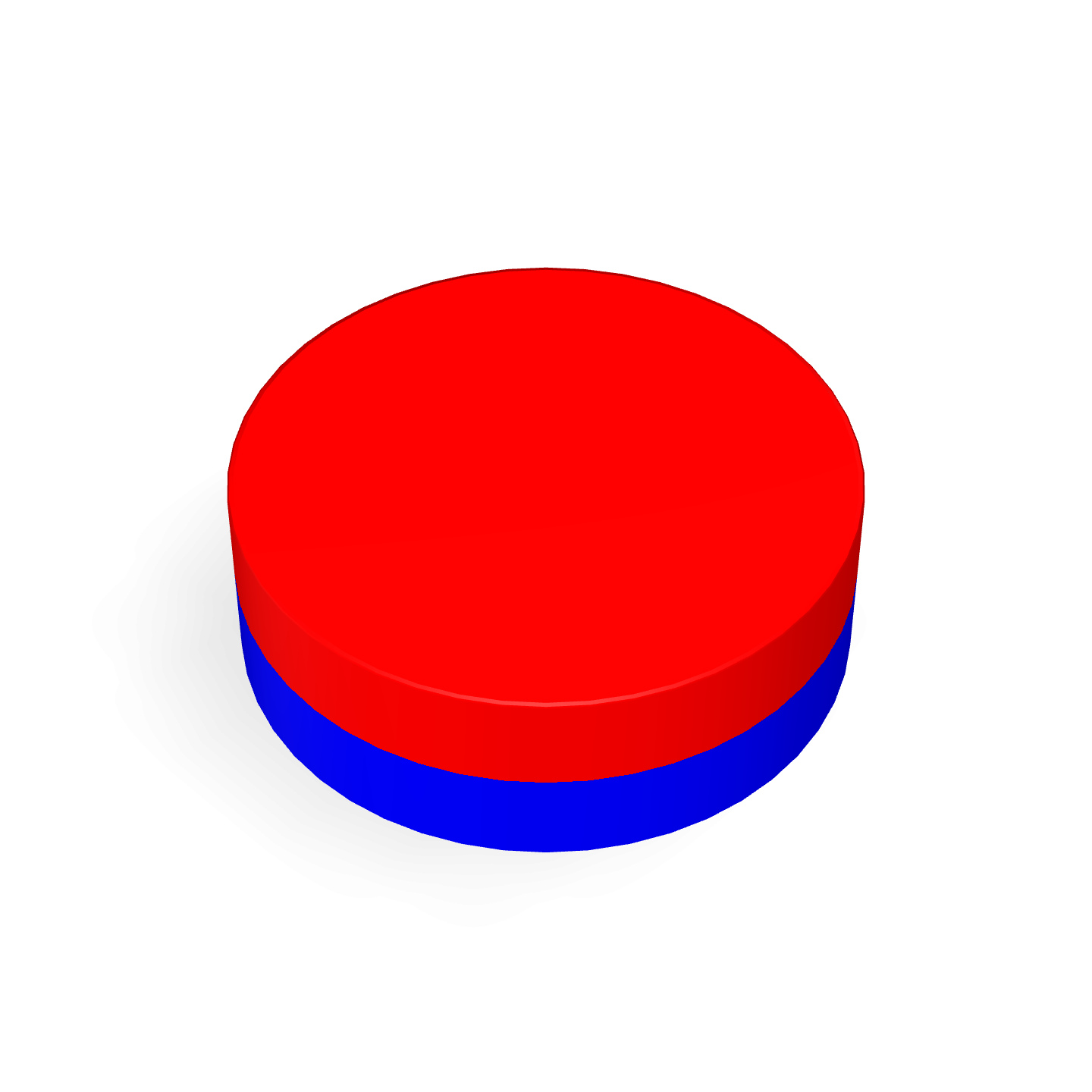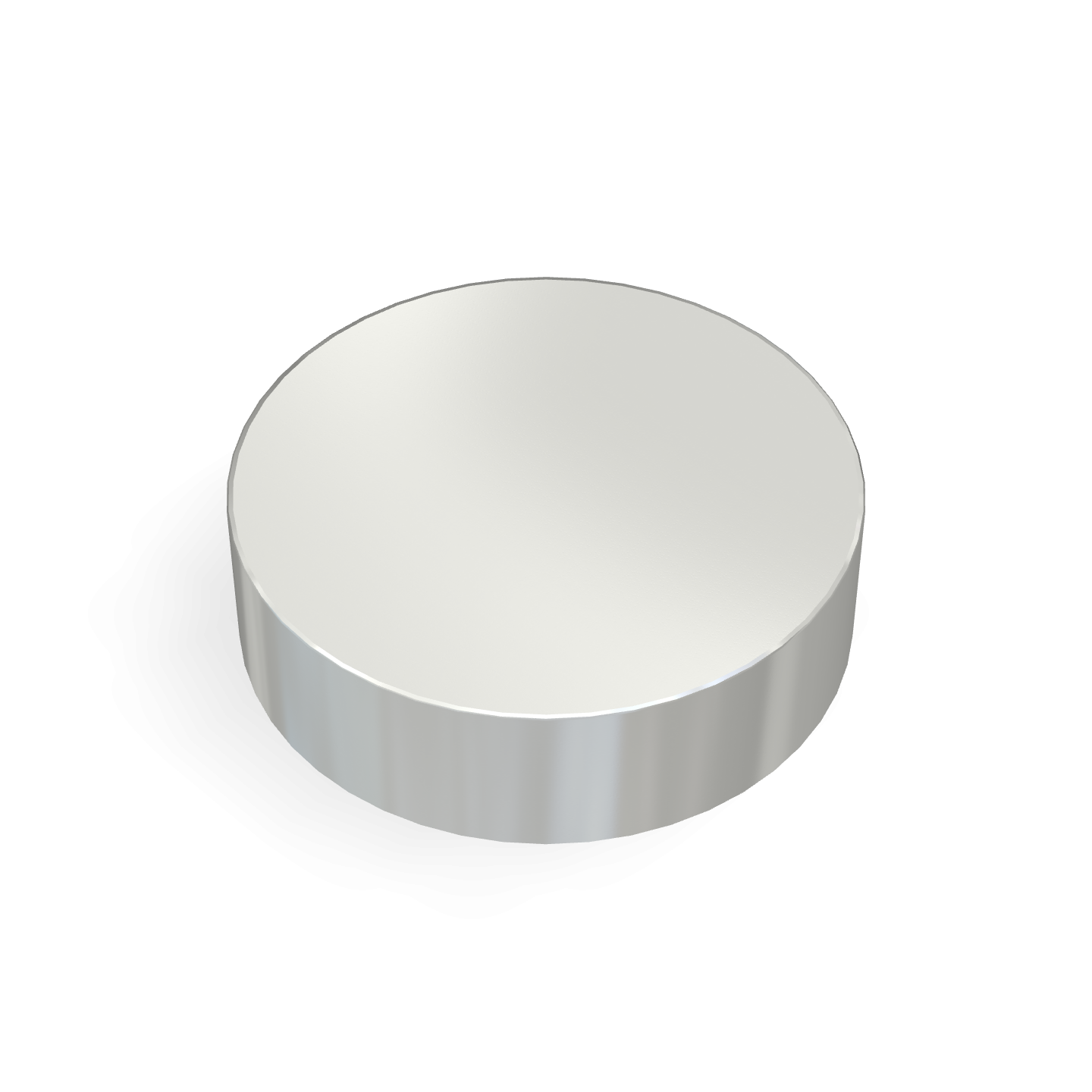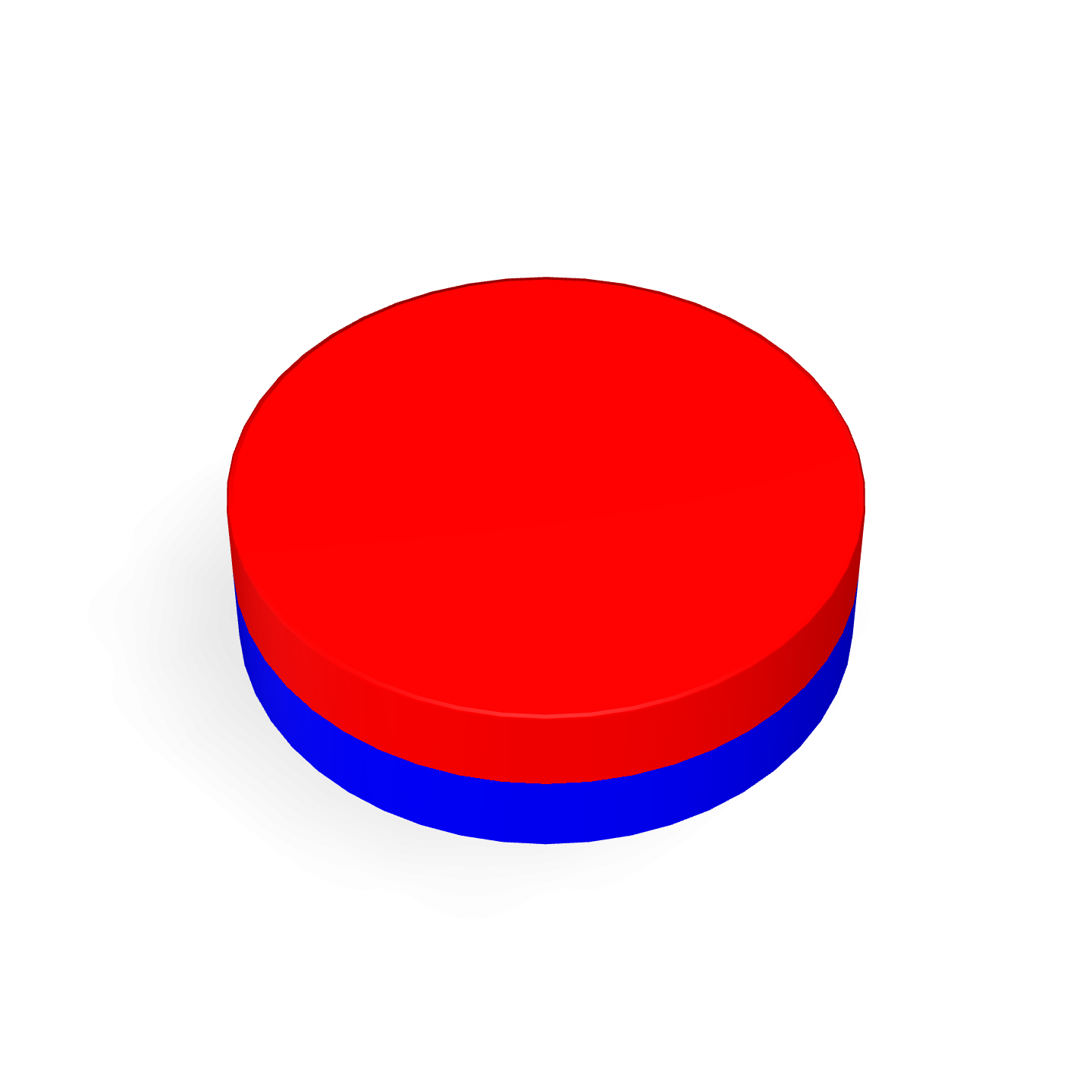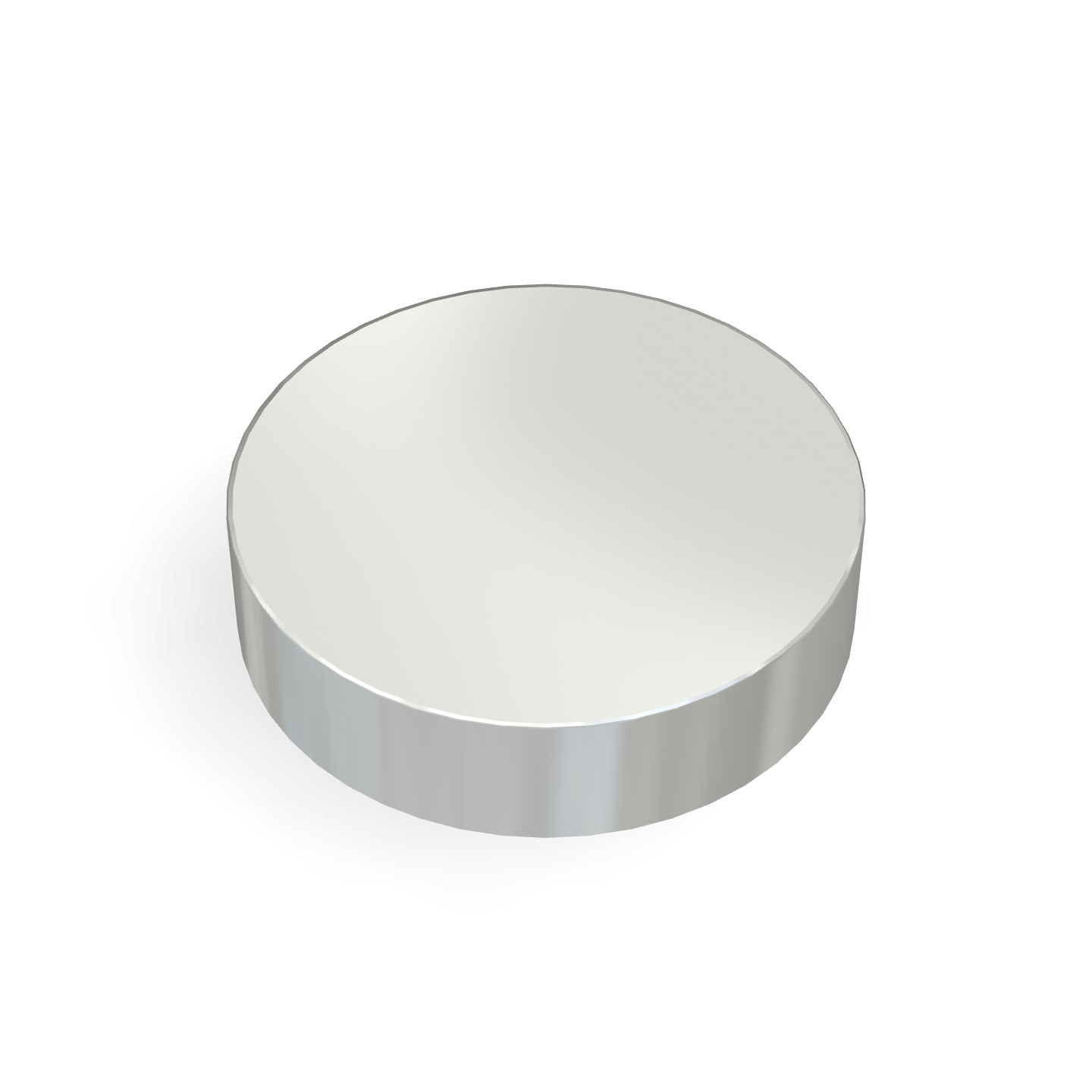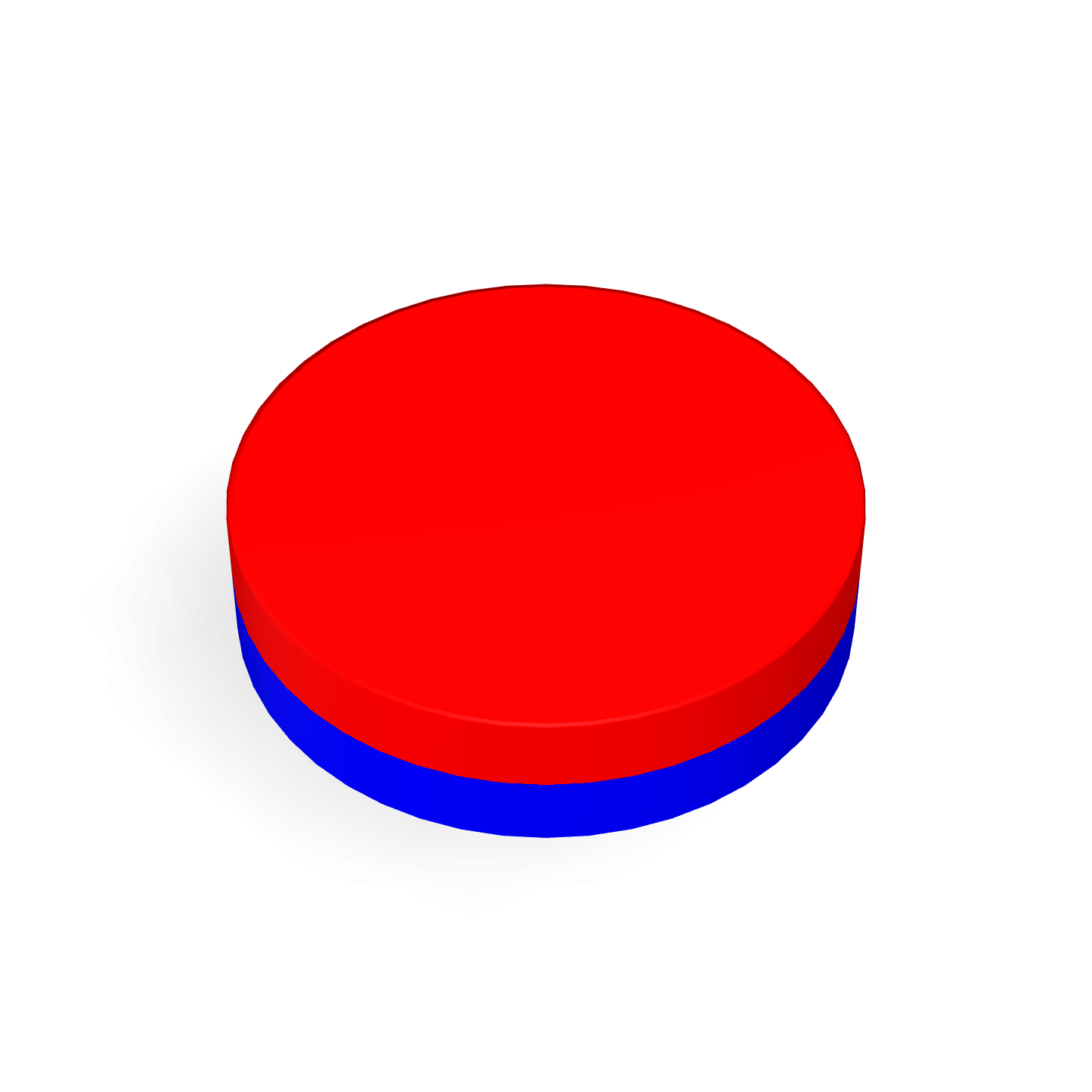
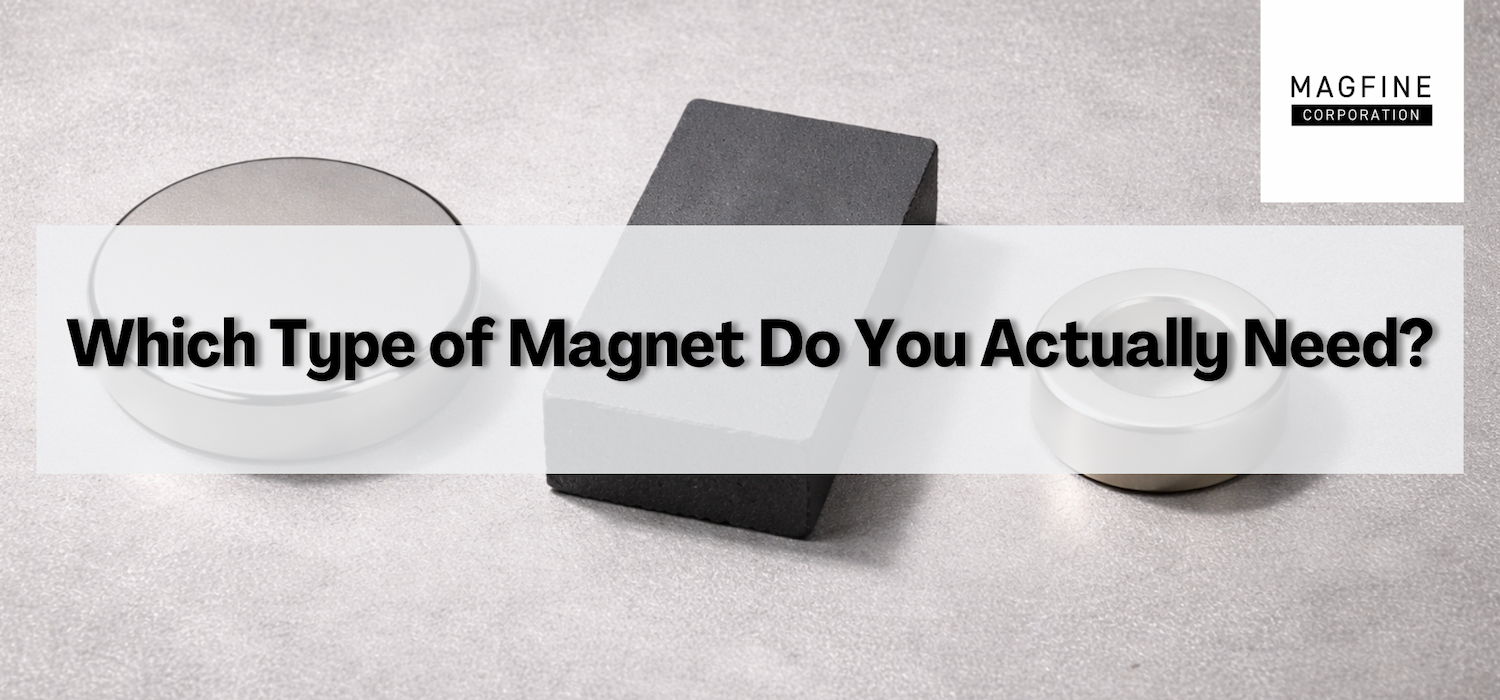
- Neodymium (NdFeB) is the strongest permanent magnet type available and covers the vast majority of industrial and commercial applications.
- Ferrite is the right call when budget matters more than compactness, or when operating temperatures exceed 150°C.
- Samarium cobalt (SmCo) earns its premium in high-temperature, corrosive, or aerospace environments where nothing else holds up.
- Grade selection and coating are just as important as material choice — a correctly specified N42 with epoxy coating outperforms a mismatch in either direction.
We get some version of this question every week. An engineer sources a motor component and realizes the magnet spec is wrong. A product designer needs holding force but has almost no space. A procurement manager is staring at three quotes with three different materials and needs to decide by Friday.
The problem isn't a lack of information — it's too much of it, too scattered, and often written for engineers who already know the answer. This guide is for the person who doesn't yet. We'll cover the three main permanent magnet families, where each one is genuinely the right call, and the grade and coating decisions that follow once you've picked a material.

The Three Families You'll Actually Choose Between
Permanent magnets — the kind you buy, install, and don't need to power — fall into a few material families. Three of them cover the vast majority of real applications.
Neodymium (NdFeB)
Neodymium magnets are the strongest permanent magnets commercially available. Made from an alloy of neodymium, iron, and boron, they pack more magnetic force per unit of volume than anything else in this category. When someone asks for "the strongest magnet," this is what they mean.
The tradeoff is temperature. Standard grades start losing meaningful magnetic strength above roughly 80°C, and without a protective coating they corrode. For most room-temperature industrial and consumer applications neither limitation matters. But in a motor running hot or a marine environment, you need to plan for both.
Ferrite (Ceramic)
Ferrite magnets — sometimes called ceramic magnets — are made primarily from iron oxide and barium or strontium carbonate. They're significantly weaker than neodymium per unit of volume, but they're dramatically cheaper, naturally corrosion-resistant, and they hold their performance well in heat.
This is the magnet used in refrigerator door seals, loudspeaker assemblies, small DC motors, and anywhere cost matters more than compactness. Ferrite still accounts for the majority of magnet volume shipped globally — not because it's glamorous, but because it's reliable and inexpensive.
Ferrite magnets have an unusual characteristic: their magnetic performance actually improves slightly at lower temperatures. If your application runs cold, ferrite becomes more attractive relative to neodymium than room-temperature numbers suggest.
Samarium Cobalt (SmCo)
Samarium cobalt is the specialist. It offers magnetic strength close to neodymium — sometimes matching it grade for grade — combined with exceptional temperature resistance and corrosion resistance that requires no coating. That combination makes it irreplaceable in specific applications: aerospace actuators, downhole drilling tools, high-temperature motors, and military equipment.
What keeps SmCo out of everyday applications is cost. Cobalt is expensive and its pricing is volatile. You pay a significant premium over neodymium for those temperature and corrosion properties. For most applications that premium isn't justified. For the right application it's the only option that works.
Side-by-Side: What the Numbers Mean
The table below compares the three families on the dimensions that matter most for sourcing decisions.
| Property | Neodymium (NdFeB) | Ferrite (Ceramic) | Samarium Cobalt (SmCo) |
|---|---|---|---|
| Magnetic strength | Very high Best in class |
Low–moderate Weakest of three |
Very high Near NdFeB |
| Max operating temp | 80–200°C (grade-dependent) Grade selection critical |
Up to 250°C Good inherently |
Up to 350°C Best in class |
| Corrosion resistance | Poor — coating required Must specify coating |
Excellent — no coating needed Inherently resistant |
Excellent — no coating needed Inherently resistant |
| Relative cost | Moderate Mid-range |
Low Most economical |
High–very high Cobalt premium |
| Typical applications | EV motors, sensors, speakers, hard drives, holding magnets | Fridge seals, loudspeakers, small DC motors, low-cost assemblies | Aerospace, high-temp motors, military, downhole tools |

Picking a Grade: What the N-Number Means
If you've chosen neodymium, you'll encounter grade designations like N35, N42, N52, N35SH, N42UH. The number refers to the maximum energy product — a measure of the magnet's total magnetic energy density, expressed in megagauss-oersteds (MGOe). Higher number means stronger magnet.
The letter suffix indicates the maximum operating temperature before irreversible demagnetization begins:
Standard grades — N35 to N52
- No letter suffix, or just "N"
- Max operating temp: ~80°C
- Best price-to-performance for room-temperature use
- Consumer electronics, holding magnets, sensors
M and H grades
- Max operating temp: 100–120°C
- Modest cost premium over standard
- Industrial motors, automotive components
- Specify when ambient temp consistently exceeds 60°C
SH and UH grades
- Max operating temp: 150–180°C
- Higher cost, slightly reduced room-temp strength
- EV traction motors, HVAC compressors, wind turbines
- When heat is a primary design constraint
EH and AH grades
- Max operating temp: up to 230°C
- Highest cost within the NdFeB family
- High-performance industrial motors, oil and gas
- Niche — most applications don't require these
Start with a standard grade (N35–N42 covers most applications well). Move up in temperature rating only if you've confirmed your operating environment will consistently exceed 60°C. Over-specifying temperature grade adds cost without any benefit at lower temperatures.
Coatings: Don't Skip This Step for Neodymium
Raw neodymium is reactive. Without protection it oxidizes rapidly — within days in a humid environment, and within months even in dry air. Every neodymium magnet needs a coating. The question is which one.
Nickel-copper-nickel (Ni-Cu-Ni)
This is the standard. The bright silver finish on most catalog neodymium magnets. It provides solid corrosion resistance for indoor and moderate-humidity environments, has good adhesion, and doesn't significantly affect magnetic performance. If you don't have a specific reason to use something else, start here.
Epoxy
Epoxy adds chemical and impact resistance on top of the base nickel layer — the right call for applications involving harsh chemicals, lubricants, or solvents, and for outdoor or marine assemblies where moisture exposure is inevitable. The coating is thicker, which matters in tight-tolerance fits. Magfine's proprietary Hi-DEN HDC epoxy coating consistently clears 200 hours in ASTM B117 salt-spray testing, making it one of the most durable options available for Canadian industrial and outdoor conditions.
Zinc and tin
Zinc is used where a lower-cost alternative to nickel is acceptable and chemical resistance isn't a priority. Tin where solderability matters in electronics assembly work. Neither is a go-to for general industrial use.
Gold and parylene
Gold plating is used in medical devices and high-value electronic assemblies where biocompatibility or conductivity matters. Parylene — a conformal polymer coating applied by vapour deposition — is used in precision applications where the thinnest possible coating is needed without compromising protection.

The Decision, Simplified
These aren't rules — they're the right starting point for 80% of applications we see come through.
Choose ferrite when: budget is the primary constraint, the assembly is large enough that size isn't an issue, operating temperature exceeds 150°C, or the environment is too harsh for coated neodymium and SmCo is overkill.
Choose samarium cobalt when: operating temperature exceeds 180°C, the environment is corrosive and a coating would fail, or the application is in aerospace, defence, or downhole drilling where the specification demands it.
Choose neodymium in every other case.
Frequently Asked Questions
Common questions about magnet strength, selection, and performance.
What is the strongest type of magnet? +
Neodymium (NdFeB) magnets are the strongest permanent magnets commercially available. The highest-grade neodymium magnets (N52) have an energy product roughly 10 times that of a standard ferrite magnet of the same size. Electromagnets can generate much higher field strengths, but they require continuous power. For permanent magnets used in industrial and commercial applications, neodymium is the strongest option.
What's the difference between N35 and N52 neodymium magnets? +
Both are neodymium magnets. The number refers to the maximum energy product (in MGOe), which directly correlates with magnetic strength. N52 is approximately 40% stronger than N35 at the same volume. It also comes at a higher cost and is slightly more temperature-sensitive. For most applications, N35 or N42 is sufficient. N52 is typically specified when space is limited and higher force is required within the same footprint.
Can neodymium magnets be used outdoors? +
Yes, but coating selection is critical. Standard nickel-copper-nickel plating is suitable for sheltered outdoor use or low-humidity environments. For direct exposure to rain, salt spray, or standing water, an epoxy coating is recommended. In highly corrosive or marine environments, samarium cobalt may be a better long-term option despite the higher cost. Magfine’s Hi-DEN HDC epoxy coating is designed for demanding outdoor and industrial conditions.
What magnet is best for electric motors? +
The optimal choice depends on operating temperature and performance requirements. Most electric vehicle traction motors and high-performance servo systems use high-temperature grade neodymium magnets (SH, UH, or EH grades), which provide strong magnetic output with improved thermal stability. Lower-cost DC motors, such as those in fans and small appliances, often use ferrite magnets. For extreme temperature environments, including aerospace and defense, samarium cobalt is typically preferred.
How do I know what size magnet I need? +
Magnet sizing depends on required pull force, the gap between the magnet and the target surface, and the material being engaged. Holding force increases with larger contact area and minimal air gap. For critical applications, flux density calculations or finite element analysis (FEA) are recommended. For general applications, magnet selection can be based on required force and available space, with guidance from an application specialist.
Are all neodymium magnets the same quality? +
No. Quality varies significantly between manufacturers in terms of actual versus rated performance, dimensional tolerances, coating durability, and consistency between batches. Reputable suppliers provide material certifications and third-party testing data. Lack of documentation should be treated as a risk factor. Magfine products are RoHS and REACH compliant, with certification available upon request.
Not sure which magnet fits your application?
Our technical team has helped engineers and procurement teams spec magnets across industries for years. Send us your requirements and we'll give you a straight answer.
Talk to Our Team