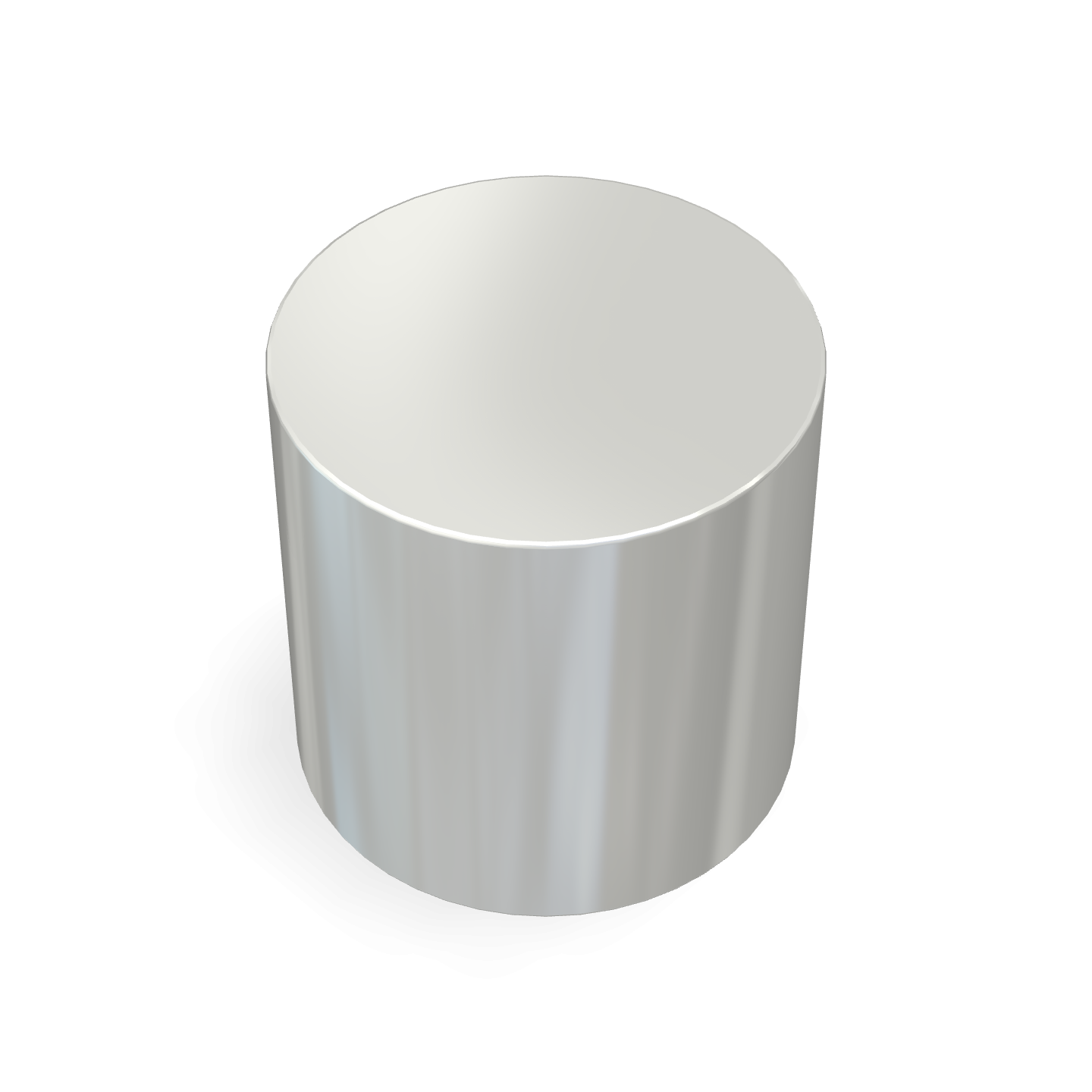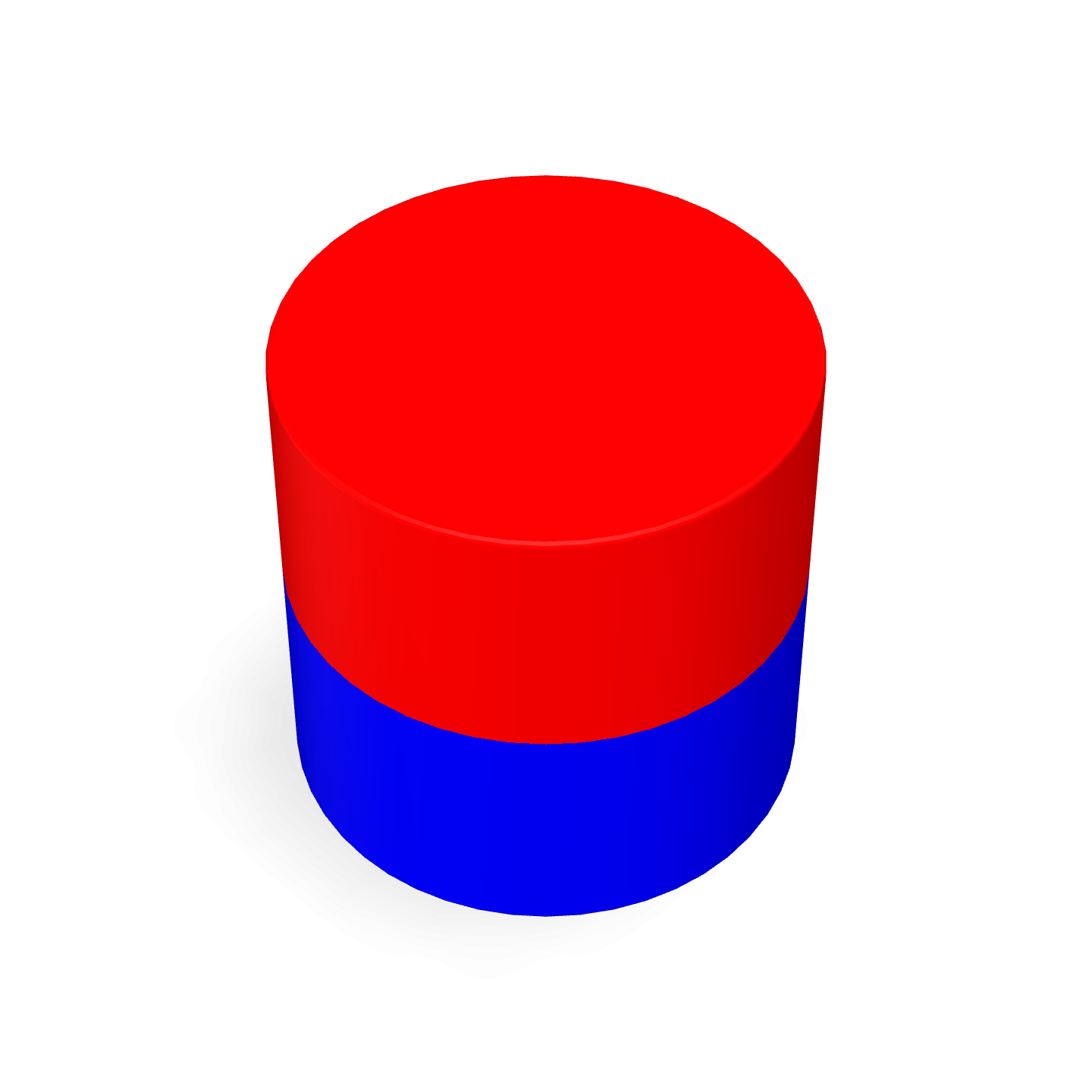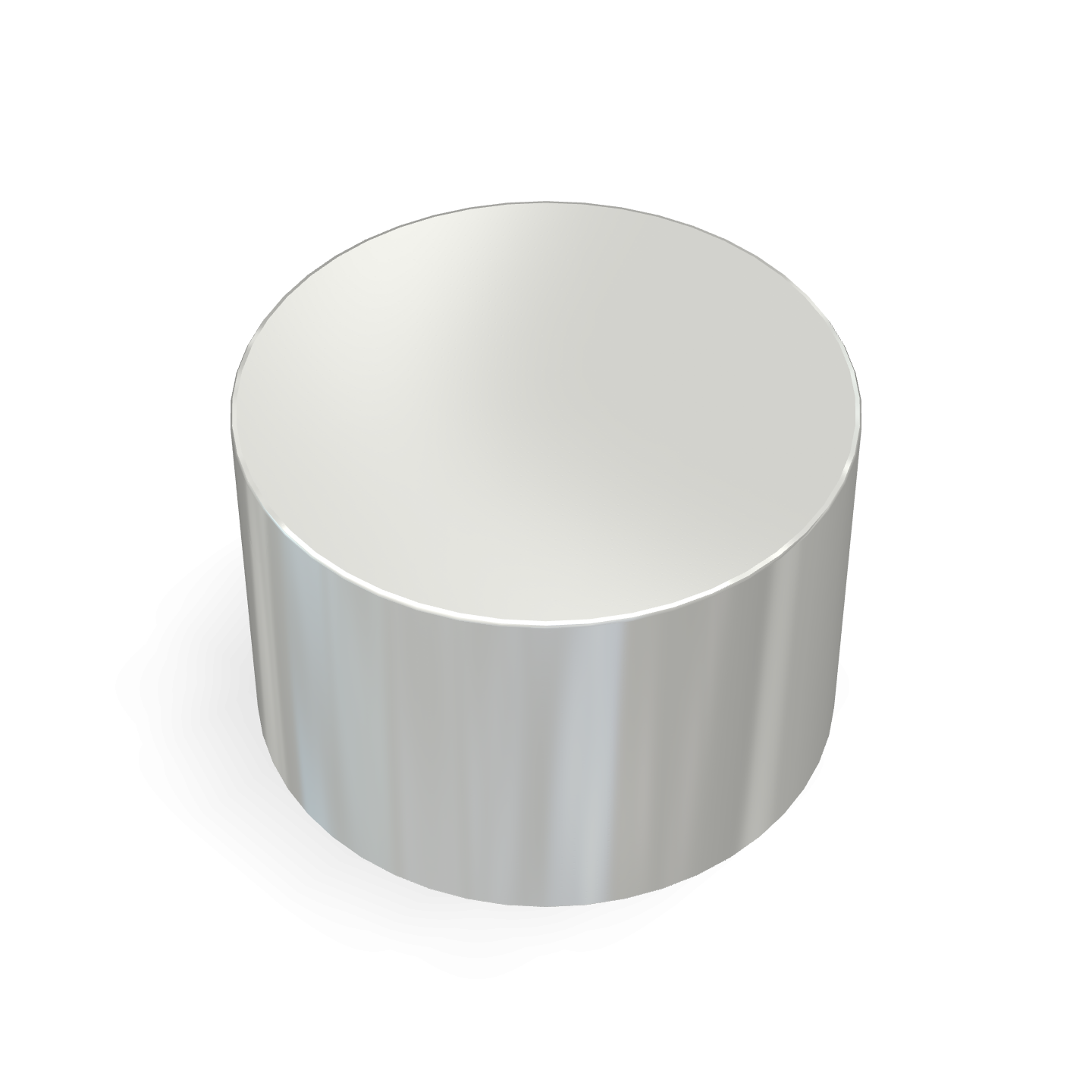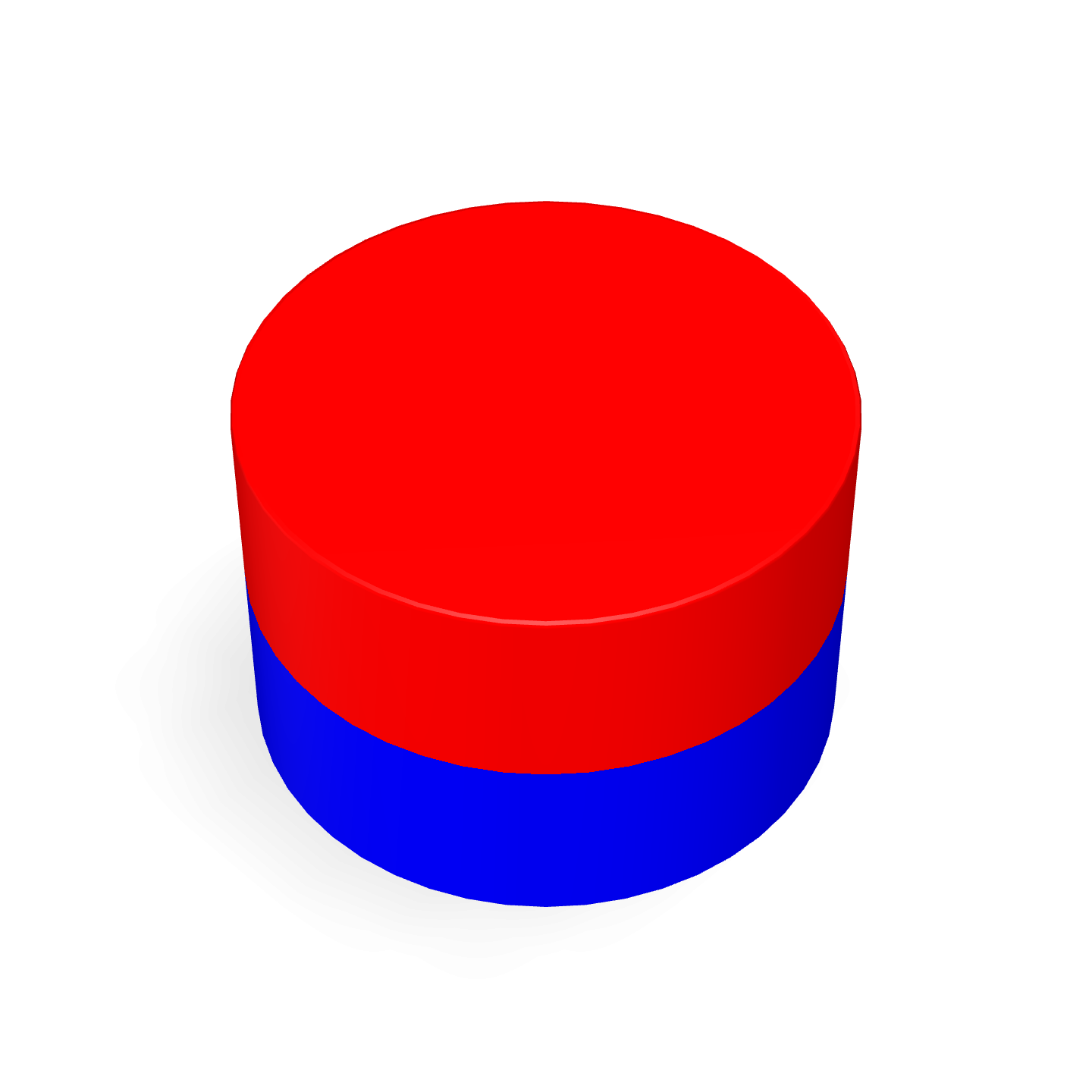

- A single humanoid robot contains 30 or more motors, each powered by NdFeB permanent magnets, making robotics one of the fastest-growing new demand sources in the magnet market.
- Neodymium is up over 136% since the start of 2025, driven by EVs, wind energy, and robotics all competing for the same supply.
- China controls roughly 90% of global NdFeB magnet manufacturing, and recent export licensing requirements have added new uncertainty for buyers importing directly.
- Canadian-stocked inventory bypasses export control exposure entirely. Product already in the country ships without licensing delays.
- The supply tightness affecting robot makers today is the same tightness affecting industrial, automation, and commercial buyers. Planning ahead matters more in 2026 than it did last year.
You have probably seen the videos. A humanoid robot sorting packages in an Amazon warehouse. Tesla's Optimus walking across a factory floor. China's Unitree performing at the Spring Festival Gala in front of hundreds of millions of viewers. The technology has moved from research lab to production line faster than almost anyone predicted.
What the headlines don't cover is what's happening upstream. Every joint, actuator, and servo motor in those robots runs on neodymium-iron-boron (NdFeB) permanent magnets, the same material in the magnets you buy for your motors, sensors, and assemblies. The robotics industry isn't using a different supply chain. It's using yours.
This post explains what humanoid robots actually need from a magnet standpoint, why it's tightening a market that was already under pressure, and what procurement teams should be thinking about heading into the second half of 2026.
How Many Magnets Does a Robot Actually Need?
More than most people assume.
A humanoid robot needs to move like a person, which means independent control of hips, knees, ankles, shoulders, elbows, wrists, and fingers. Each of those joints requires at least one actuator, and most require more than one. Each actuator contains a permanent magnet synchronous motor (PMSM). A typical humanoid carries 30 or more of these motors throughout its frame.
That adds up to roughly 1.3 to 3.5 kg of NdFeB magnet material per robot, depending on the design and the number of degrees of freedom it supports. More capable robots with articulated hands and tactile sensors use more. Boston Dynamics' latest Atlas, which debuted commercially at CES 2026, has field-replaceable limbs with swappable end-effectors, each containing additional actuators. More accessories means more magnets per robot.
At current volumes, robotics demand is still small relative to total NdFeB output. The math changes quickly at scale. At one million humanoid units annually, a figure some forecasters put within reach by the end of the decade, the sector would consume several percent of today's entire global NdPr supply. Add in industrial robots, AMRs, and AGVs running on the same motor technology, and the robotics category as a whole starts moving the market in a meaningful way.
Robot designers aren't choosing neodymium magnets out of habit. They're choosing them because no other commercially available material delivers comparable power density at acceptable size and weight. A humanoid needs high-torque motors in compact, lightweight joints. Ferrite can't deliver the torque density. Samarium cobalt can match the performance but costs significantly more. NdFeB is the only viable option at the performance thresholds robot designers require, and that isn't changing anytime soon.
What's Happening to Prices Right Now
Neodymium is currently trading at approximately $226/kg, up 136% since the start of 2025 and up roughly 249% since 2020. This isn't a temporary spike caused by a single event. It's the result of three demand forces hitting the same constrained supply chain at the same time.
Electric vehicles are the largest single driver. Global EV sales are forecast at 22.9 million units in 2026, each requiring roughly 1 to 2 kg of NdPr content in the traction motor. Wind energy is second. Direct-drive turbines use large arrays of permanent magnets, and global wind installations set a new record in 2025. Robotics is third, and the newest. It's still small in absolute terms, but it's growing fast and it arrives on top of a market already running tight.
The supply side hasn't kept up. China controls approximately 85% of global neodymium mine production and around 90% of NdFeB magnet manufacturing. Building capacity outside China takes years. New rare earth processing facilities require significant capital, regulatory approvals, and technical expertise that doesn't transfer quickly. Analysts at Adamas Intelligence forecast annual NdFeB shortages growing to 206,000 tonnes by 2035 if demand trends continue and supply growth doesn't accelerate.
The Export Control Situation in Plain Terms
In April 2025, China's Ministry of Commerce introduced export licensing requirements on seven medium and heavy rare earth elements, including dysprosium and terbium, the additives that give NdFeB magnets their high-temperature performance. Shipments stalled. Prices spiked in importing markets. Some European buyers were paying up to six times the prevailing Chinese domestic rate for high-coercivity grades.
A second, broader set of controls followed in October 2025. The Xi-Trump trade summit produced a partial agreement suspending those October measures until November 10, 2026. The April restrictions covering dysprosium, terbium, and related materials were not part of that suspension and remain active today.
If you're sourcing magnets directly from Chinese manufacturers, your orders are subject to MOFCOM export licensing on the Chinese side regardless of what trade agreements say about tariffs. Lead times are less predictable, and high-temperature grades (SH, UH, or EH) face the most exposure because they depend on the restricted additives. The October suspension expires November 10, 2026. Most trade analysts expect those controls to be revisited at that point.
Buyers sourcing through Magfine's Canadian-held inventory don't face this exposure. The product is already in the country, cleared and on the shelf. MOFCOM licensing is a problem for the import leg, and that leg is already done.
Which Magnet Grades Do Robots Actually Use?
This is worth understanding if you're in a sector that overlaps with robotics demand, such as automation, EV manufacturing, or precision equipment, because you're competing for the same grades.
Humanoid robot joints need motors that deliver high torque in a compact, lightweight package and operate reliably across millions of cycles. For larger joints including hips, knees, and shoulders, sintered NdFeB magnets in the N42 to N52 range are standard, with temperature grades depending on operating environment. For smaller joints and linear actuators in wrists and hands, bonded and hot-deformed NdFeB ring magnets are increasingly common.
| Robot joint / component | Motor type | Typical magnet grade | Key requirement |
|---|---|---|---|
| Hips, knees, shoulders | Frameless torque motor | N42H to N48SH sintered | High torque density, thermal stability |
| Elbows, ankles | PMSM servo motor | N38H to N45H sintered | Compact form, consistent field |
| Wrists, fingers | Linear / micro servo | Bonded or hot-deformed NdFeB ring | Precision, low mass, tight tolerance |
| Position encoders | Magnetic encoder ring | Radially magnetized ring, N35 to N42 | Sinusoidal field distribution, consistency |
| Tactile / proximity sensors | Hall-effect sensor magnet | N35 to N40 disc or arc | Uniform field, dimensional accuracy |
The grades robots use aren't exotic. They're the same N42, N45, and N48 grades widely used in industrial automation, servo systems, and EV motors. There's no separate robotics supply chain to draw from. Robot manufacturers are competing directly with industrial buyers for the same material in the same grades from the same suppliers.
What This Means If You're Buying Magnets in Canada
The noise around humanoid robots can make the magnet market feel like something happening far away, driven by forces that don't touch day-to-day procurement. That's not quite right.
The price increases you're seeing on neodymium grades right now aren't caused by robots alone. EVs and wind energy carry most of the current weight. But robotics adds a new, persistent layer of demand on top of a market that was already running tight. The export control risk making high-temperature grades difficult to source isn't robot-specific either. It affects every buyer importing directly from China, for any application.
The practical implications are the same regardless of what you're building.
Standard grades are available, but pricing is moving. N35 to N52 without a temperature suffix are less affected by the dysprosium and terbium controls, but they're not immune to the broader NdPr price increase. Budgets set in early 2025 are unlikely to hold for orders placed today.
High-temperature grades need more lead time. SH, UH, and EH grades depend on restricted additives. Sourcing these through a Canadian-stocked supplier avoids the licensing bottleneck. Sourcing directly from China means sitting in the same queue as every robot manufacturer trying to do the same thing.
Buffer stock is worth the carrying cost. The suspended October controls expire in November 2026. Whether they're reinstated, modified, or allowed to lapse is genuinely uncertain. A 60 to 90 day safety stock on your highest-volume grades costs less than a production stoppage.
Magfine holds Canadian inventory across disc, block, ring, arc, and pot magnet formats in grades N35 through N56, including elevated-temperature H, SH, UH, and EH series. All products are RoHS and REACH compliant. Orders ship from Canadian stock without export licensing delays. Same-day quotes on stocked items, no minimum order quantity.
Frequently Asked Questions
Questions we hear regularly about magnet pricing, supply, and availability.
Why are neodymium magnet prices rising so sharply in 2026? +
Three demand forces are hitting the same constrained supply at once: electric vehicles, wind turbines, and robotics are all competing for NdFeB magnets. Neodymium oxide has roughly doubled since early 2025. China controls approximately 90% of global NdFeB manufacturing, and export licensing requirements on key additives like dysprosium and terbium have added supply uncertainty on top of the demand pressure. Prices are not expected to ease meaningfully before late 2026 at the earliest.
Will humanoid robots actually create a magnet shortage? +
Not immediately. At current production volumes in the thousands of units, robotics demand is still small relative to global NdFeB output. The risk is at scale. At millions of units annually, humanoid robots alone could consume several percent of today's global NdPr supply. Layered on top of EV and wind demand that is already growing, and a supply chain that takes years to expand, robotics further tightens an already constrained market. The shortage risk is medium-term rather than immediate, but procurement decisions made today affect future exposure.
Do China's export controls affect my magnet orders? +
If you are importing directly from Chinese manufacturers, yes. The April 2025 controls on dysprosium, terbium, and related materials remain active and affect high-temperature NdFeB grades (SH, UH, EH). The broader October 2025 controls were suspended until November 10, 2026 as part of the US–China trade truce, but that suspension may change. Sourcing through Magfine’s Canadian inventory bypasses this entirely, as the product is already in Canada and ships domestically without export licensing involvement.
Which magnet grades are most affected by the supply tightness? +
High-temperature grades with an H, SH, UH, or EH suffix are most affected because they require dysprosium and terbium, which are under export licensing controls. Standard grades (N35 to N52 without a temperature suffix) are less directly affected but still subject to NdPr price increases. If your application operates below 80°C, standard grades remain the most cost-effective option. For higher temperature requirements, plan for longer lead times and consider building inventory.
Are radially magnetized ring magnets affected by the robotics demand increase? +
Yes. Radially magnetized NdFeB ring magnets are used in brushless DC motors, servo encoders, and rotary actuators, which are core components in both humanoid robots and industrial automation systems. Demand for motor-grade ring magnets is increasing from multiple sectors simultaneously. If you have a recurring requirement, it is worth considering a standing order or inventory strategy to secure supply.
Should I be buying more magnets now to get ahead of further price increases? +
For high-volume and critical SKUs, building a 60 to 90 day buffer stock is a reasonable approach. While some short-term price consolidation may occur, the underlying demand drivers remain in place. The November 2026 expiry of suspended export controls also introduces a clear timing risk. In most cases, the cost of holding inventory is significantly lower than the risk of production delays or emergency spot purchases at peak pricing.
Need magnets in stock now, without the sourcing headaches?
Canadian inventory. No minimum order. Same-day quotes. RoHS and REACH compliant across all grades.
Talk to Our Team