
How to Calculate Magnet Pull Force (And What Actually Matters in Real Assemblies)
- Pull-force ratings are measured under ideal lab conditions, not real assemblies.
- Air gaps often have a bigger impact than magnet grade.
- Increasing size or contact area is often more effective than switching to N52.
- Shear loads behave very differently from perpendicular pull.
- Magfine’s calculator is useful for early estimates, but prototypes decide final performance.
We see the same pattern quite often. A team comes to us with a holding requirement, usually framed in weight: “We need something that holds 10 lbs,” or “We need a 30 lb magnet.”
That starting point is understandable, but it skips over the part that actually determines success: how that force is transferred through a real assembly.
A magnet that performs perfectly on a datasheet can behave very differently once it’s inside a housing, behind paint, or mounted on a surface that isn’t perfectly flat.
What pull force actually measures (and what it doesn’t)
Pull force is the force required to separate a magnet from a thick steel plate under ideal conditions. Full contact, no coatings, no spacing, and a straight pull perpendicular to the surface.
It’s a useful benchmark, but it’s not a simulation of most real-world applications.
In practice, magnets rarely operate under those conditions. There is almost always a layer between the magnet and steel, or some deviation in alignment or load direction.
The factor that changes everything: air gap
If there is one variable that consistently gets underestimated, it is air gap.
A magnet tested directly against steel will often look significantly stronger than the same magnet installed inside a finished assembly.
We’ve seen this many times in enclosure designs. A magnet performs as expected during bench testing, then loses a noticeable amount of holding strength once a plastic wall or adhesive layer is introduced.
The important detail is that nothing changed in the magnet itself. The distance did.
Even small gaps—fractions of a millimetre—can cause a measurable drop in holding force. In many designs, that effect is larger than switching magnet grades.
The “10 lb magnet” assumption
One of the most common misunderstandings is matching load directly to pull force.
For example, selecting a 10 lb pull-force magnet to hold a 10 lb part sounds reasonable at first glance. In practice, it rarely works that way.
Real systems are dynamic. They experience vibration, impact, misalignment, and gradual wear over time. Each of these reduces the effective holding margin.
This is why engineers typically design with significant margin rather than matching ratings directly to loads.
When geometry matters more than grade
There is a tendency to treat magnet grade as the primary design decision. N52 is often assumed to be the default “strongest option.”
But in many assemblies, geometry has a larger impact than grade.
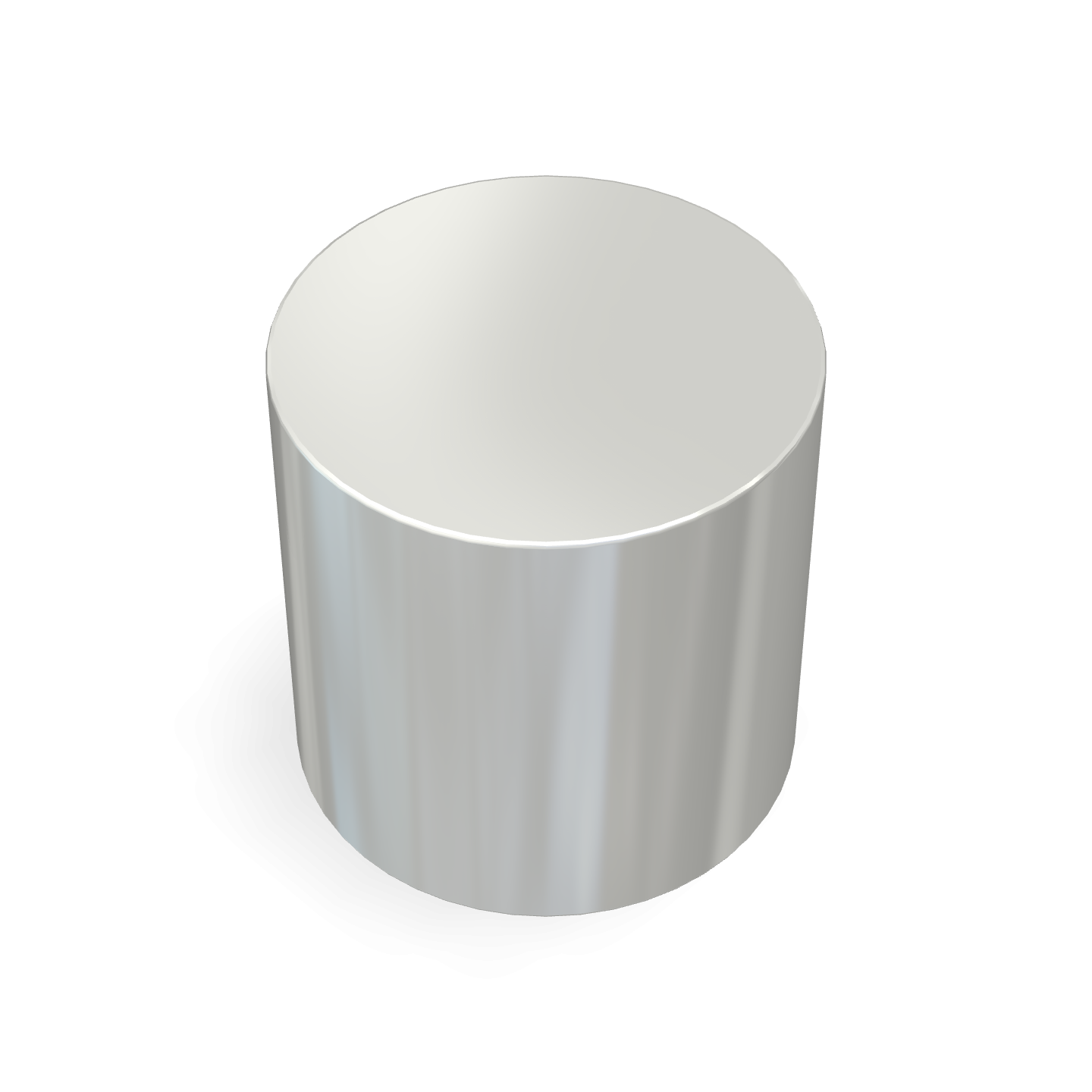
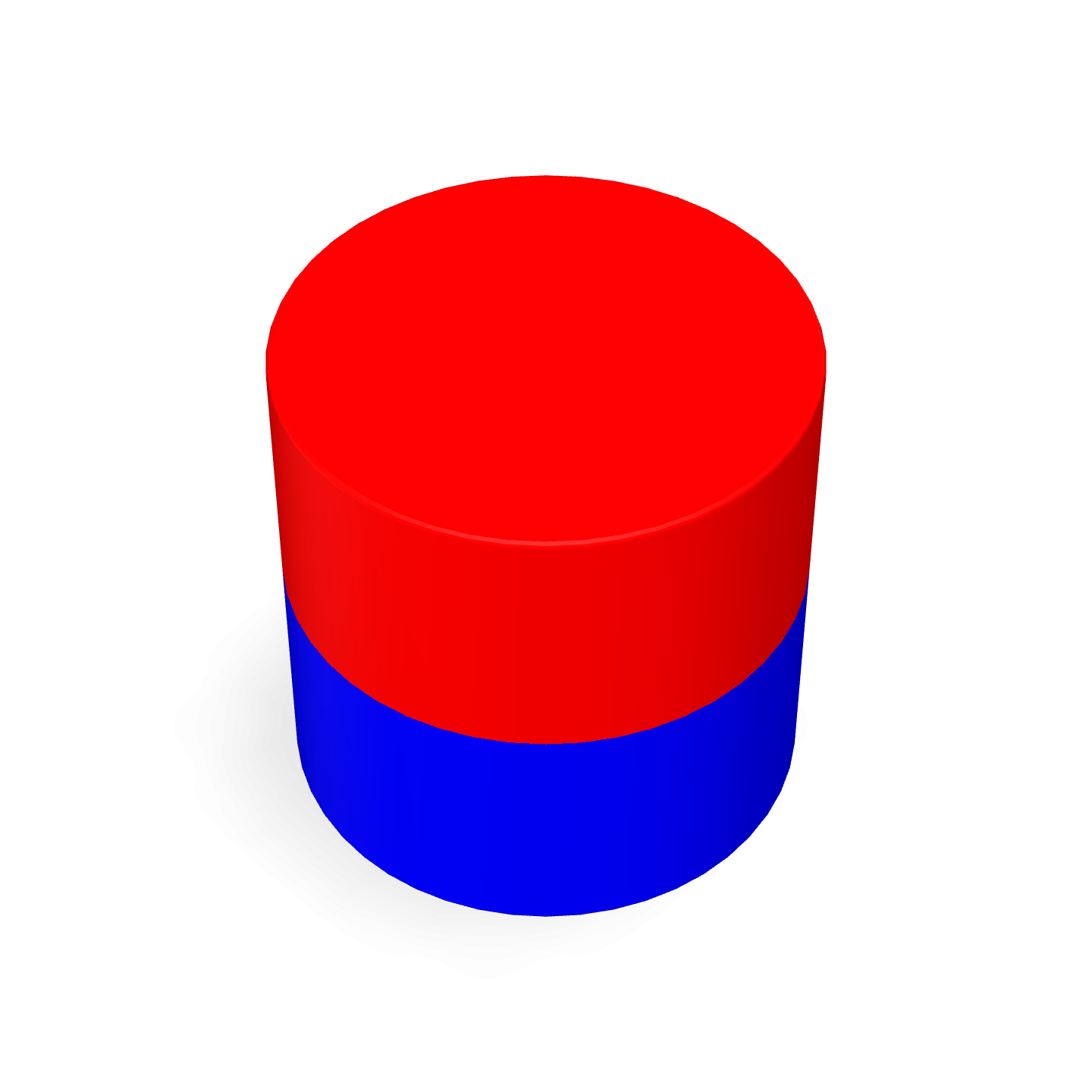
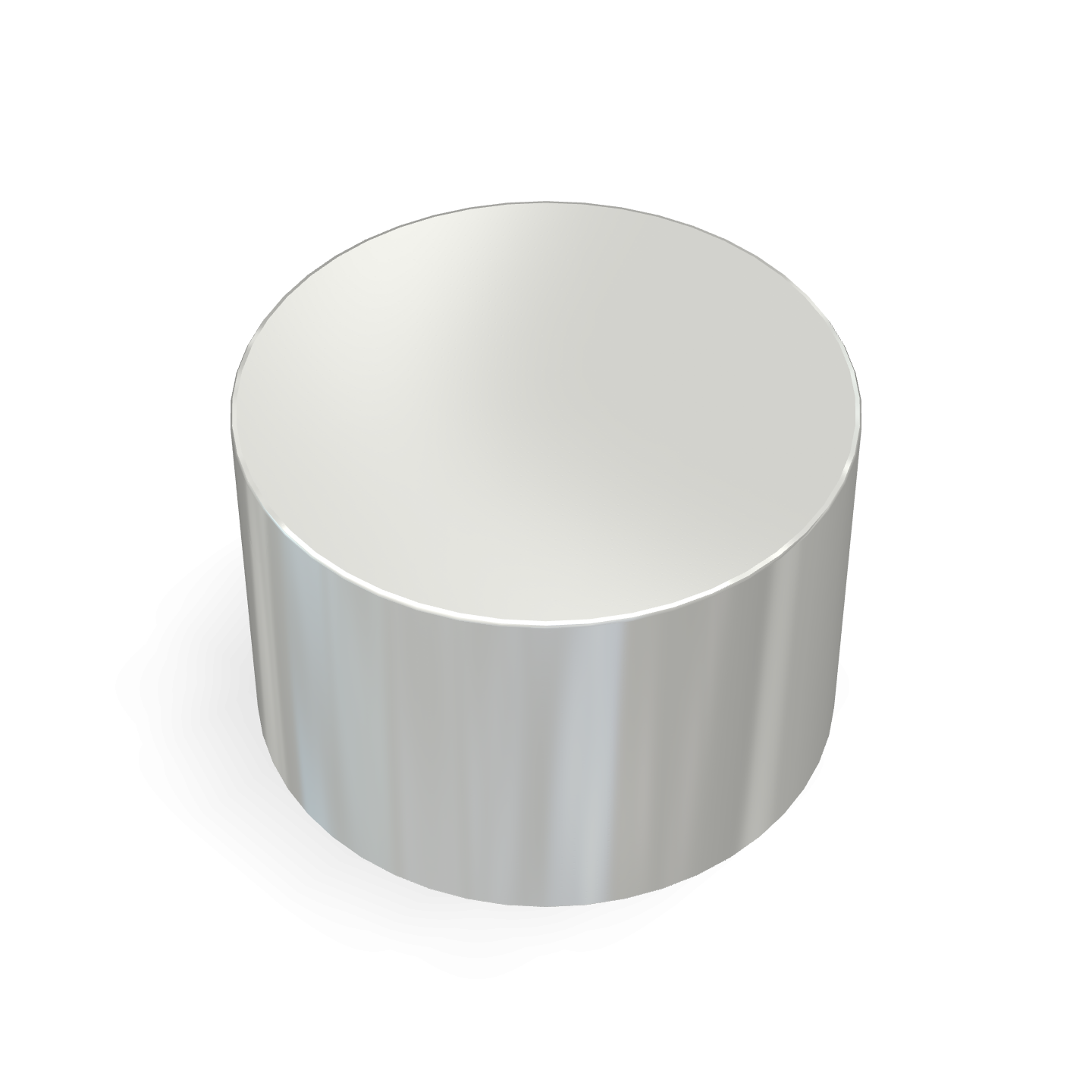
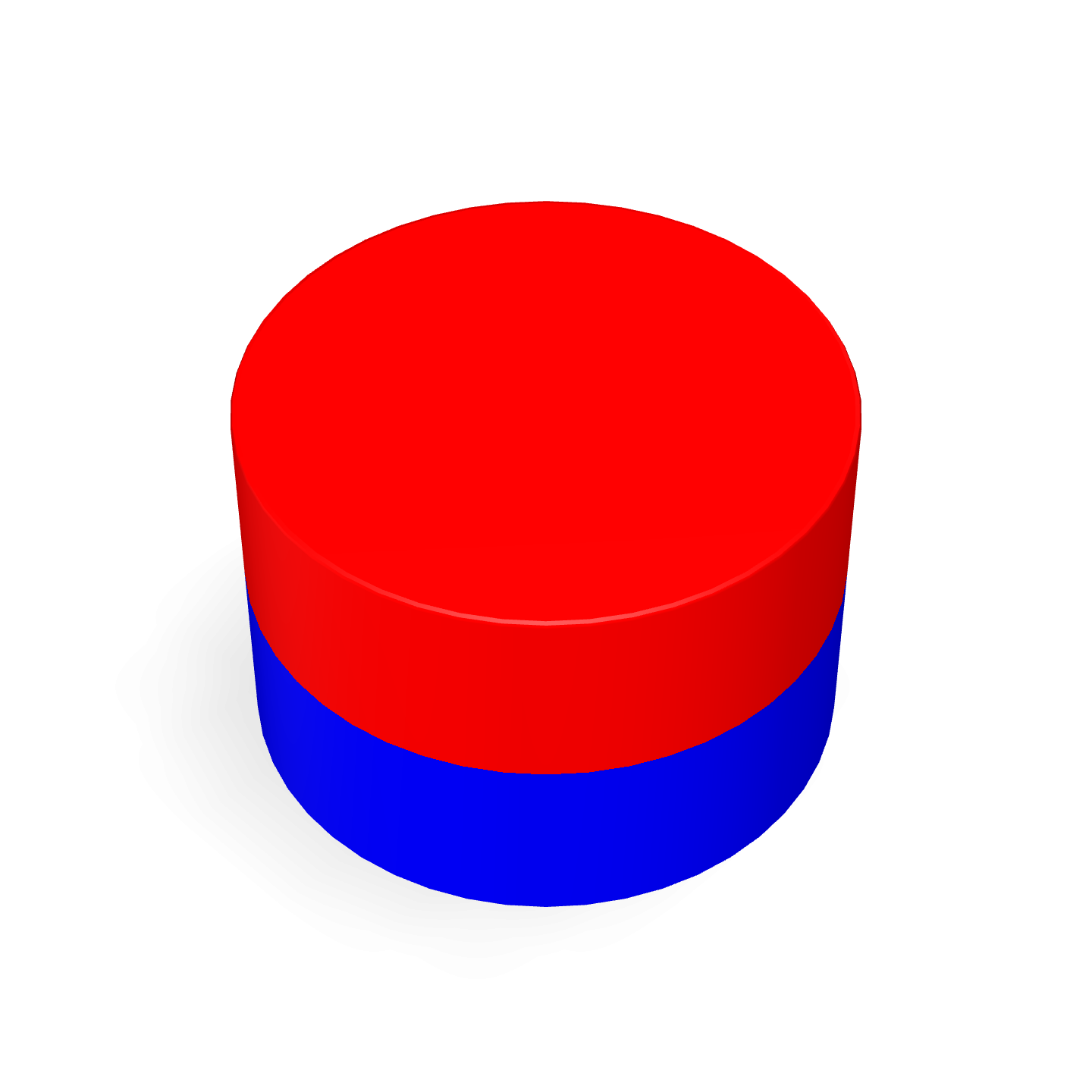
Increasing contact area, improving alignment, or changing magnet shape can produce a more noticeable improvement than upgrading from N42 to N52.
We often see better performance gains from minor geometric changes than from switching to a higher grade magnet.
Shear vs pull: where most real applications differ
Pull force is measured perpendicular to the surface, but many applications load magnets in shear instead.
This changes everything. In shear loading, friction and surface condition play a major role in performance.
A magnet that looks strong in a pull test may behave very differently when used as a latch, holder, or sliding restraint.
Using Magfine’s Pull Force Calculator
At the early stage of a design, you don’t need perfect accuracy. You need a reliable starting point to compare options and narrow down choices.
This is where Magfine’s Magnetic Pull Force Calculator becomes useful.
It allows you to estimate theoretical pull force based on magnet size and configuration, which helps with early-stage decision making before committing to prototypes.
Calculator results assume ideal conditions. Real-world performance depends on air gaps, surface finish, steel thickness, temperature, and assembly geometry.
In practice, we recommend using the calculator to narrow down options quickly, then validating the final selection through prototype testing once the design stabilizes.
Magnetic Pull Force Calculator
Start with an estimate, then refine through testing. This is usually the fastest path to a reliable design.
Use the CalculatorWhere calculations stop being enough
At some point in nearly every project, there is a gap between calculated performance and observed performance.
This is usually where physical testing becomes more valuable than further calculation.
We’ve seen cases where everything looked correct on paper, but a small design detail, like a coating layer or slight misalignment, changed the outcome significantly.
Prototyping tends to reveal these issues quickly, which is why most experienced teams move to physical samples earlier than expected.
How engineers typically approach magnet selection
In practice, magnet selection is rarely a single-step calculation. It is an iterative process.
Most teams start with a target load, estimate a range using tools like a calculator, then refine based on physical testing and assembly constraints.
The goal is not to find the theoretical maximum. It is to find a stable, repeatable configuration that works in the actual product environment.
Final thoughts
Pull-force ratings are helpful, but they should not be treated as definitive design values.
Once a magnet is integrated into a real system, geometry, surface conditions, and assembly details often matter just as much as the specification itself.
If you approach magnet selection as a combination of estimation and validation rather than a single calculation, you will usually reach a reliable design faster—and with fewer surprises along the way.